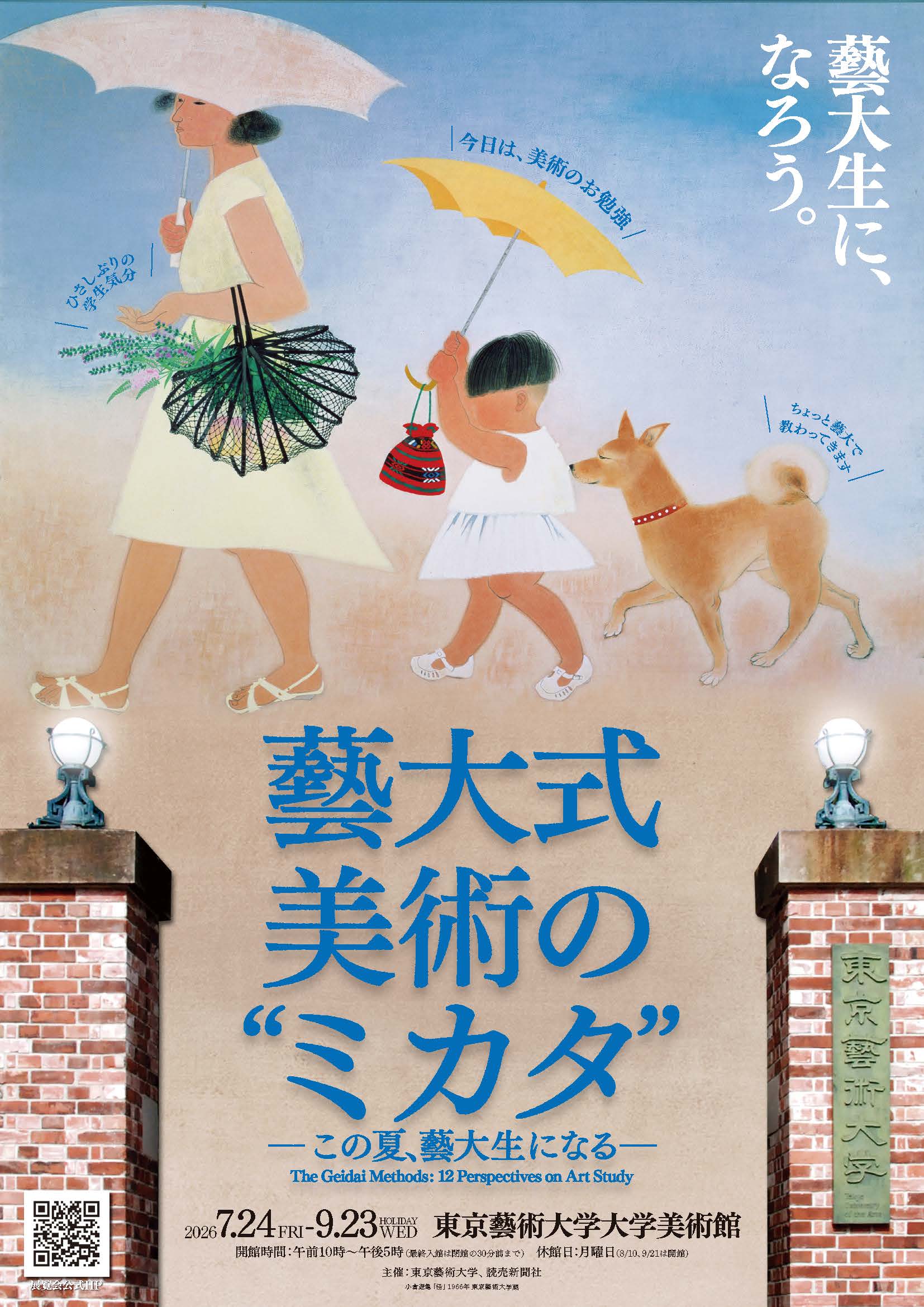
"Geidai-style 'Perspective' on Art – Become an Geidai student this summer -" Special tutors: Comedy duo Knights
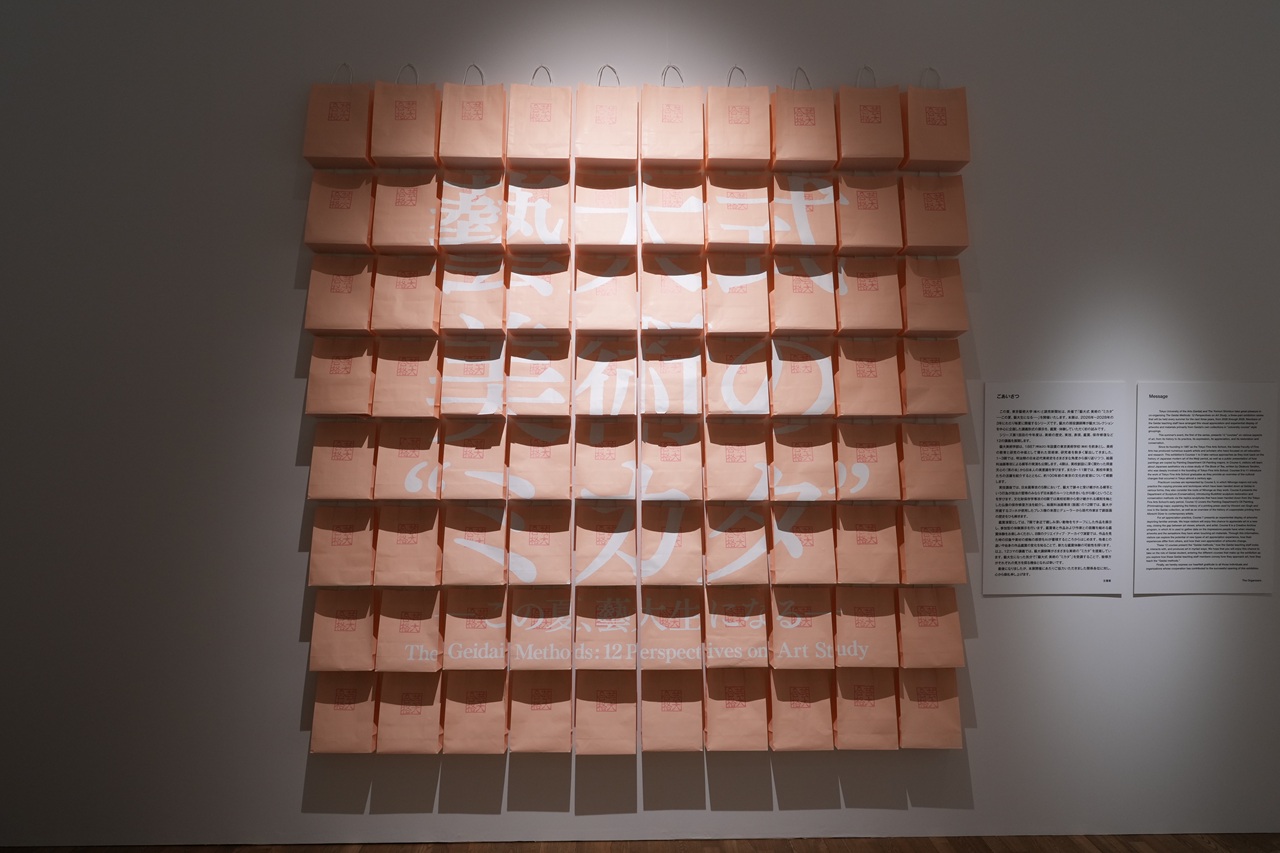
A unique exhibition , "Geidai-style View of Art – Become a Geidai Student This Summer," which allows anyone to become a "Geidai student," opened on July 24th, 2026 (Friday) at the Tokyo University of the Arts University Art Museum in Ueno Park, Tokyo. The exhibition will run until September 23rd (Wednesday, national holiday).
This exhibition presents 12 "lectures" taught by current faculty members of Tokyo University of the Arts, using the museum's valuable collection as teaching materials, all presented as an "exhibition." Its greatest appeal lies in the unprecedented and luxurious viewing experience, which makes you feel as if you are actually attending a university lecture.
This report details the press preview held the day before the exhibition opened, including an appearance by the comedy duo Knights (Nobuyuki Hanawa and Nobuyuki Tsuchiya), who have been appointed as special tutors for this exhibition.
Knights appear! Unraveling the world of "Geidai" through laughter
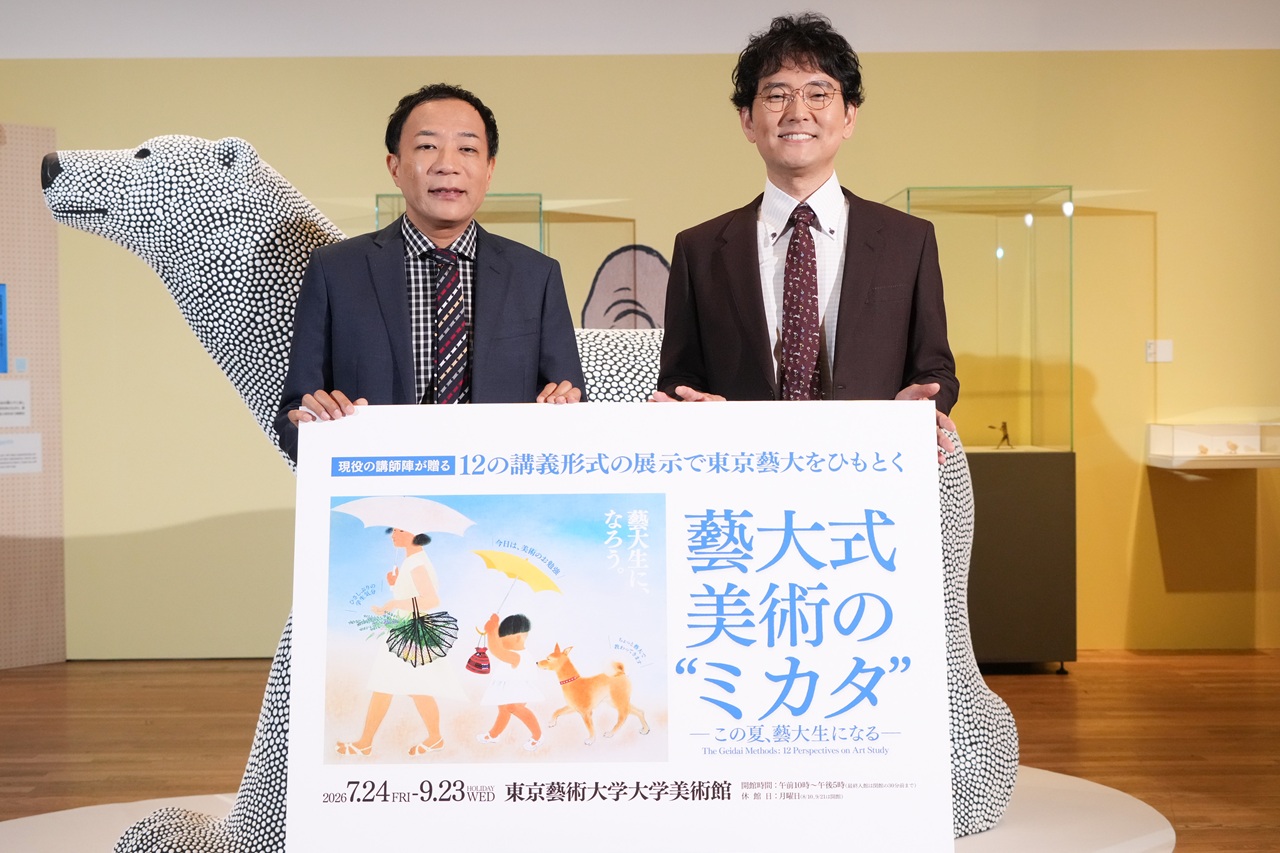
Nobuyuki Hanawa (left) and Nobuyuki Tsuchiya (right) of the comedy duo Knights have been appointed as special tutors for this exhibition.
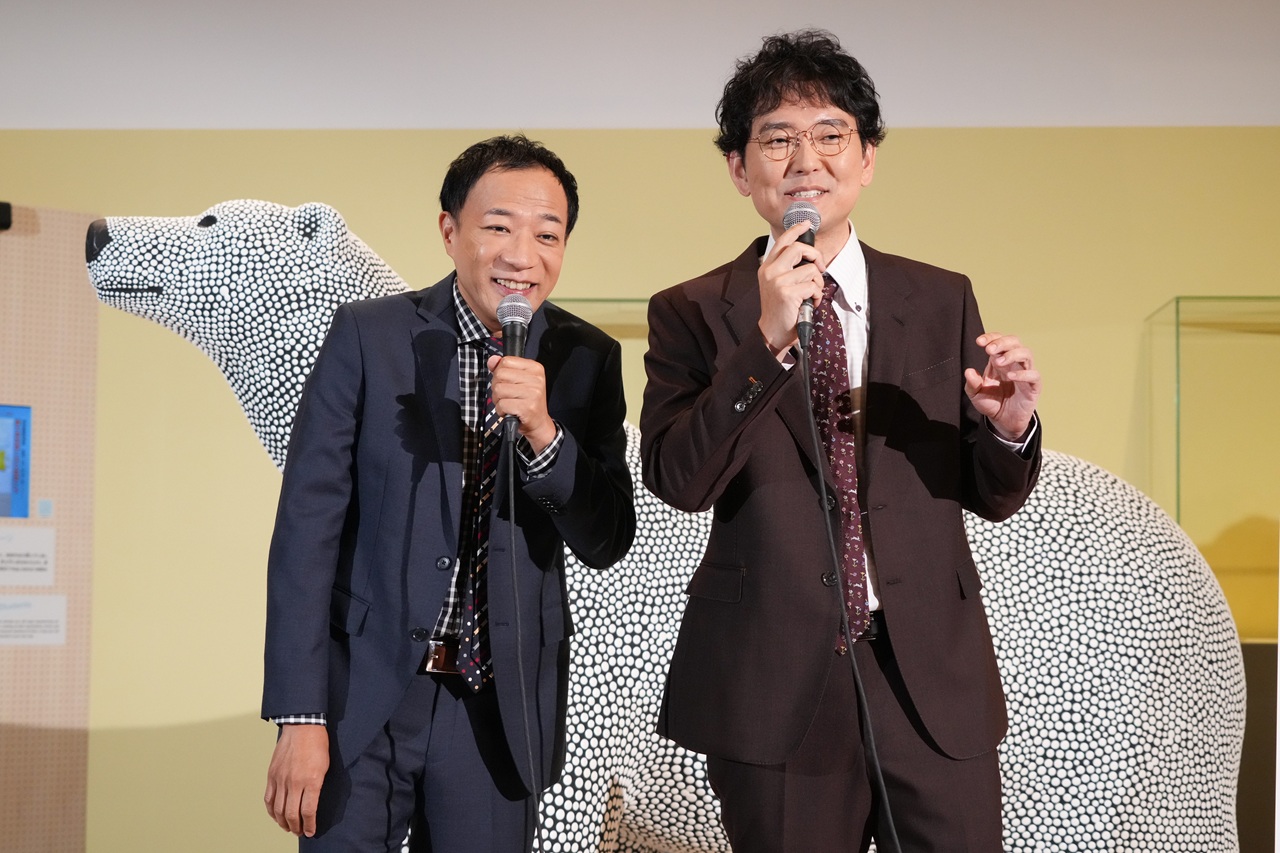
At the press preview, a press conference was held with the comedy duo Knights (Nobuyuki Hanawa and Nobuyuki Tsuchiya), who have been appointed as "special tutors" for this exhibition.
Tsuchiya, who is currently studying art at the College of Art, Nihon University, shared an anecdote about how she once seriously attended an art school preparatory course and took the entrance exam for Tokyo University of the Arts, but was completely outmatched. She raved about the quality of the exhibition, which allows visitors to experience what it's like to be a student at Tokyo University of the Arts, saying, "If this exhibition can make you a student at Tokyo University of the Arts, then I didn't need to study so hard (laughs)." Hanawa, on the other hand, delighted the audience with his unique perspective, saying, "I like plastic models, so I was impressed by the exhibit that uses infrared light to examine the internal framework and then creates a replica of a Buddhist statue."
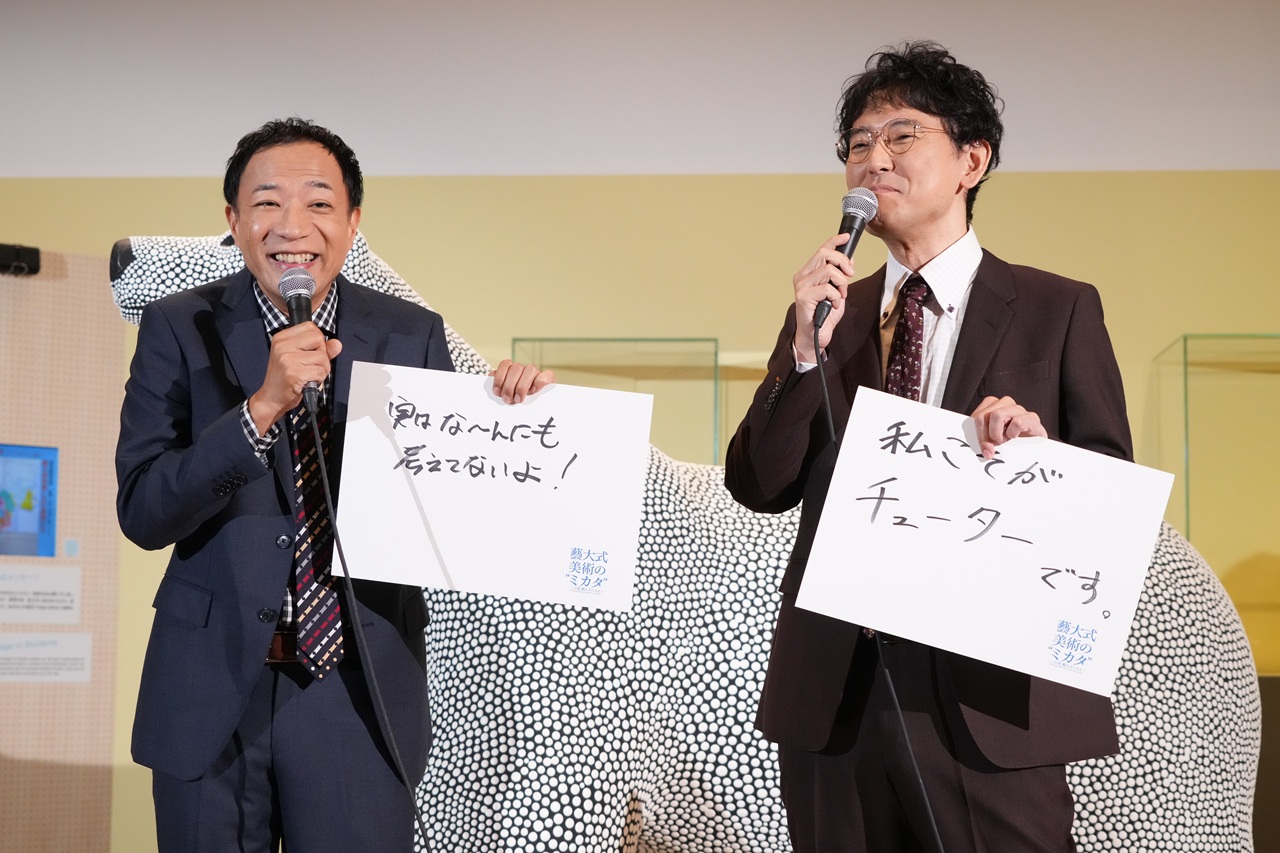
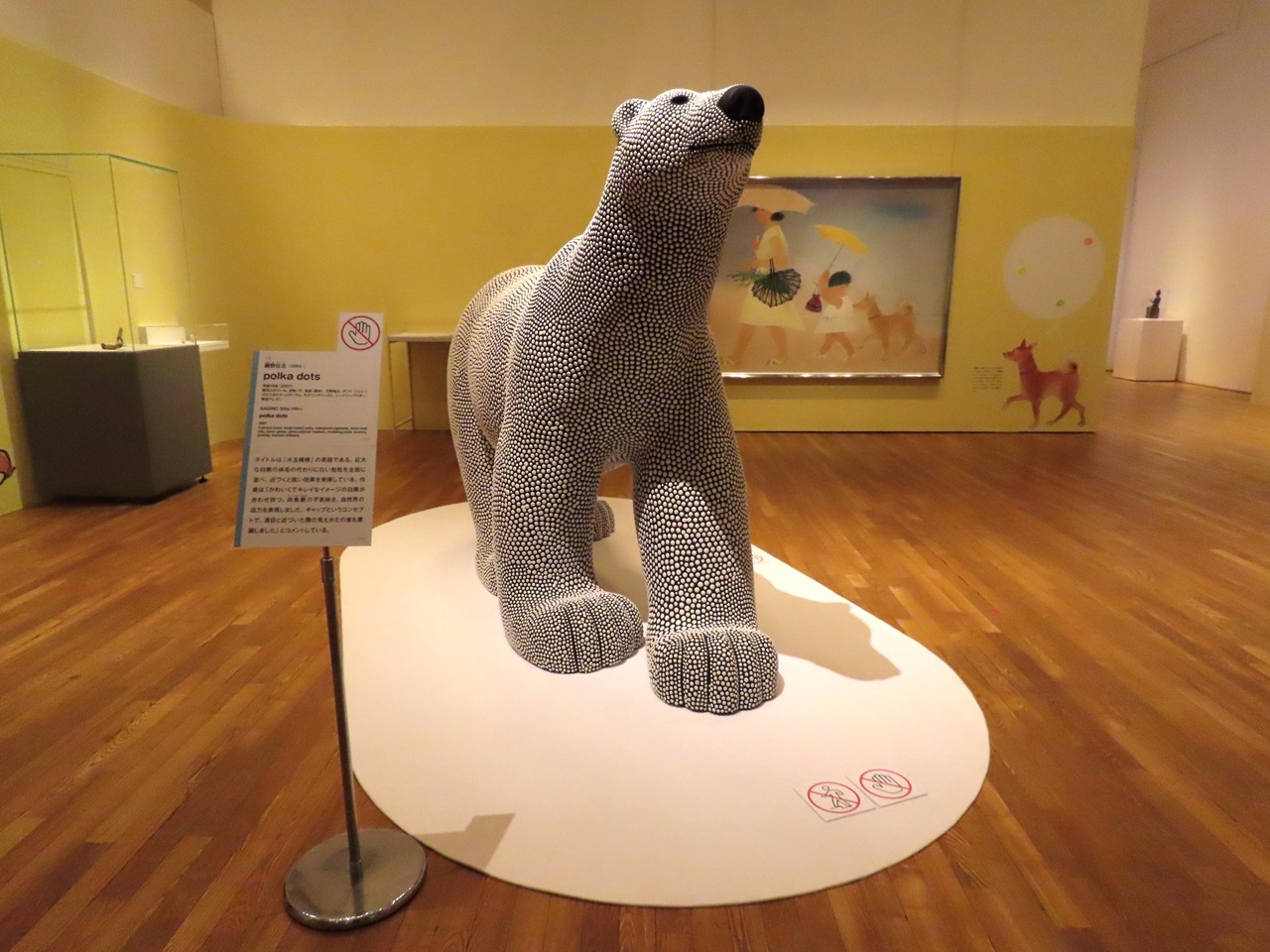
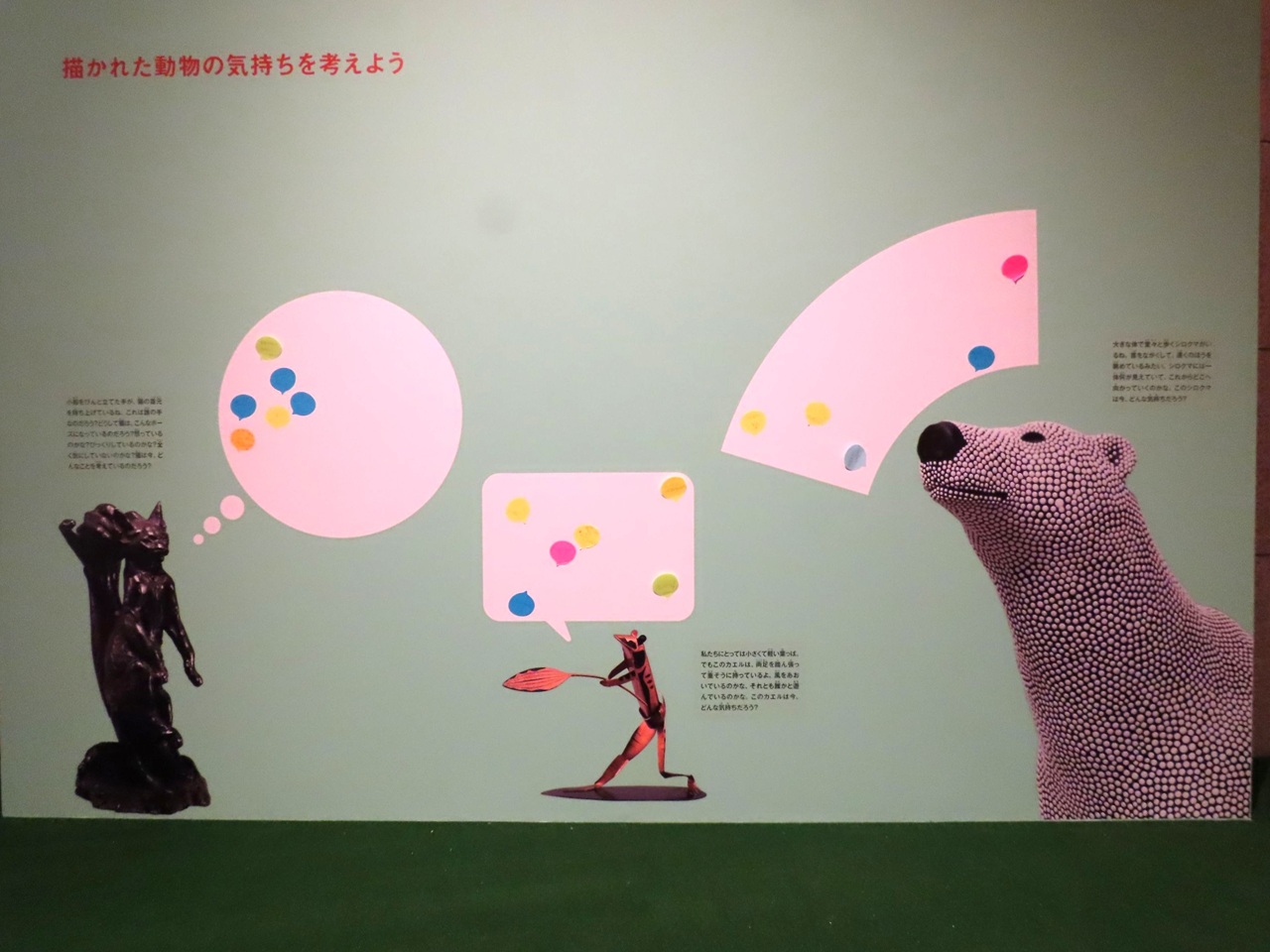
In the "7th Period" area where the press conference was held, there was an interactive exhibit where visitors could look at animal-themed artworks and write down their feelings about them on sticky notes. During the press conference, a game of witty banter broke out here. In front of the giant polar bear artwork "polka dots," the two presenters also revealed their answers on flip charts.
Tsuchiya responded, "I'm the tutor," while Hanawa replied, "Actually, I haven't thought about anything at all!" Hanawa confessed, "I was asked for an interesting answer, but I couldn't think of anything, so I ran away," to which Tsuchiya chimed in, "It's also art to deliberately not say anything and let the other person think for themselves."
Finally, when asked for a message about the exhibition, Tsuchiya strongly promoted the exhibition's concept, saying, "The biggest appeal is that you can 'become an art student.' I really want people to experience what it's like to take classes at art school ." Hanawa also spoke earnestly about the significance of experiencing art firsthand, saying , "We live in an age where we spend all our time looking at the internet and smartphones, but it's very important to actually go and see and feel paintings in person."
That's it, I'll become an art student.
Exhibition hall entrance
The Faculty of Fine Arts at Tokyo University of the Arts has its origins in the Tokyo School of Fine Arts (Bikō), established in 1887 (Meiji 20), and has served as a central hub for art education and research, producing numerous outstanding artists and researchers.
This exhibition is the first in a series to be held every summer for three years from 2026 to 2028, and is the first attempt to offer a lecture-style exhibition planned by current faculty members of Tokyo University of the Arts, focusing on the university's collection.
In the 12-hour "lecture" series, structured as an exhibition at the art museum, the faculty of Tokyo University of the Arts proposes various "ways of looking at" art, covering themes such as art history, practical skills, expression, appreciation, and conservation and restoration.
Learn how to appreciate art through authentic works.
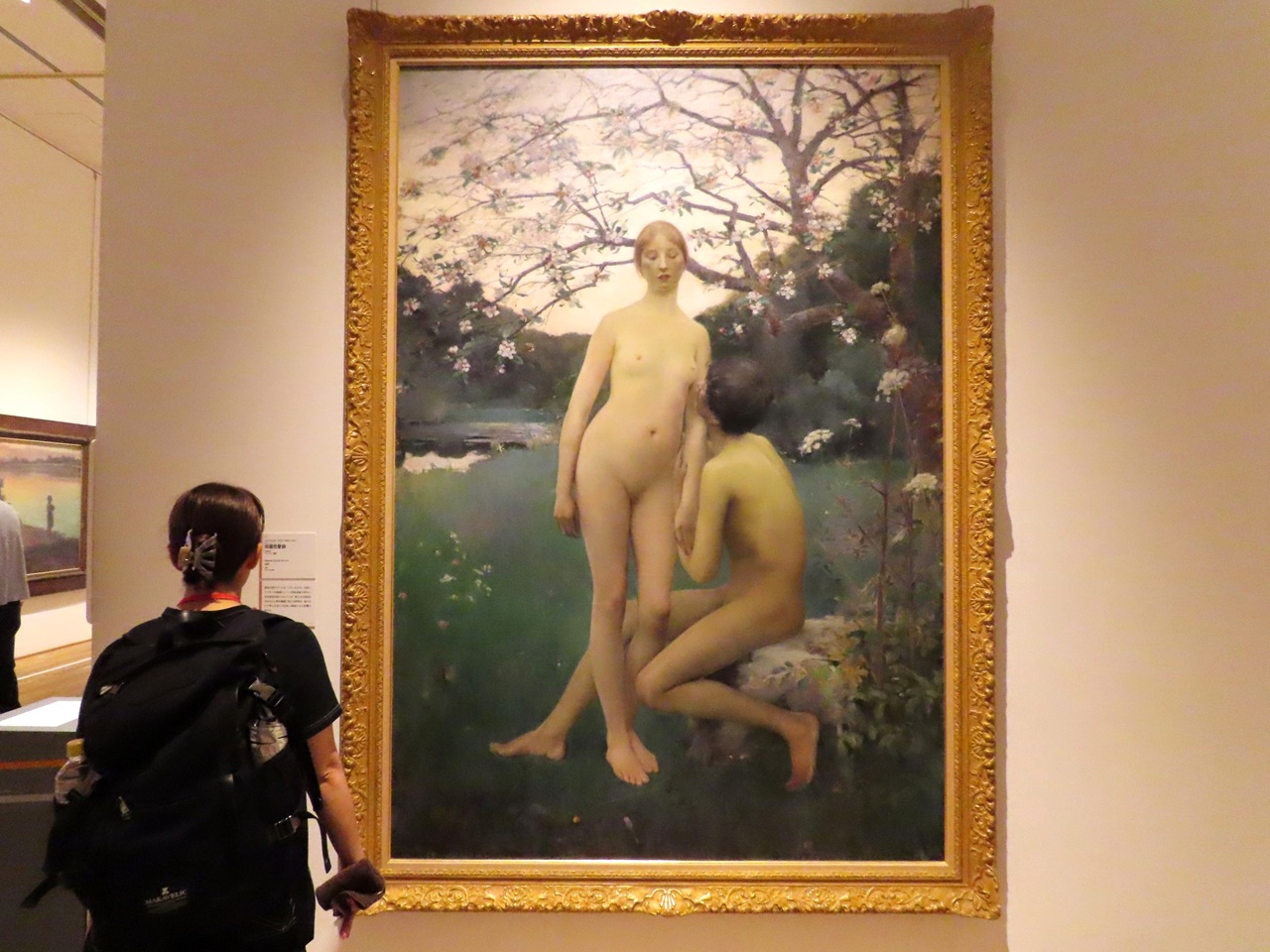
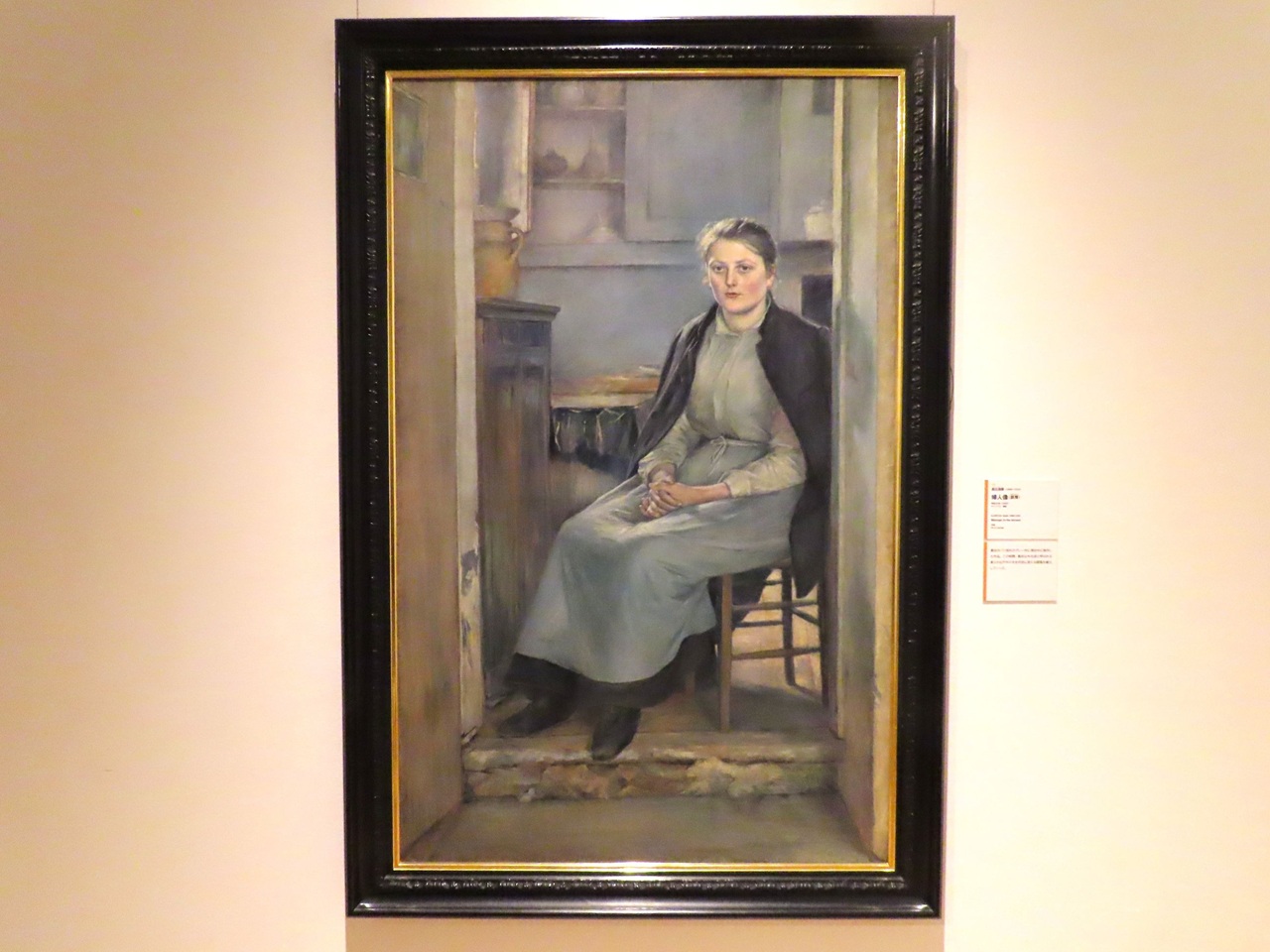
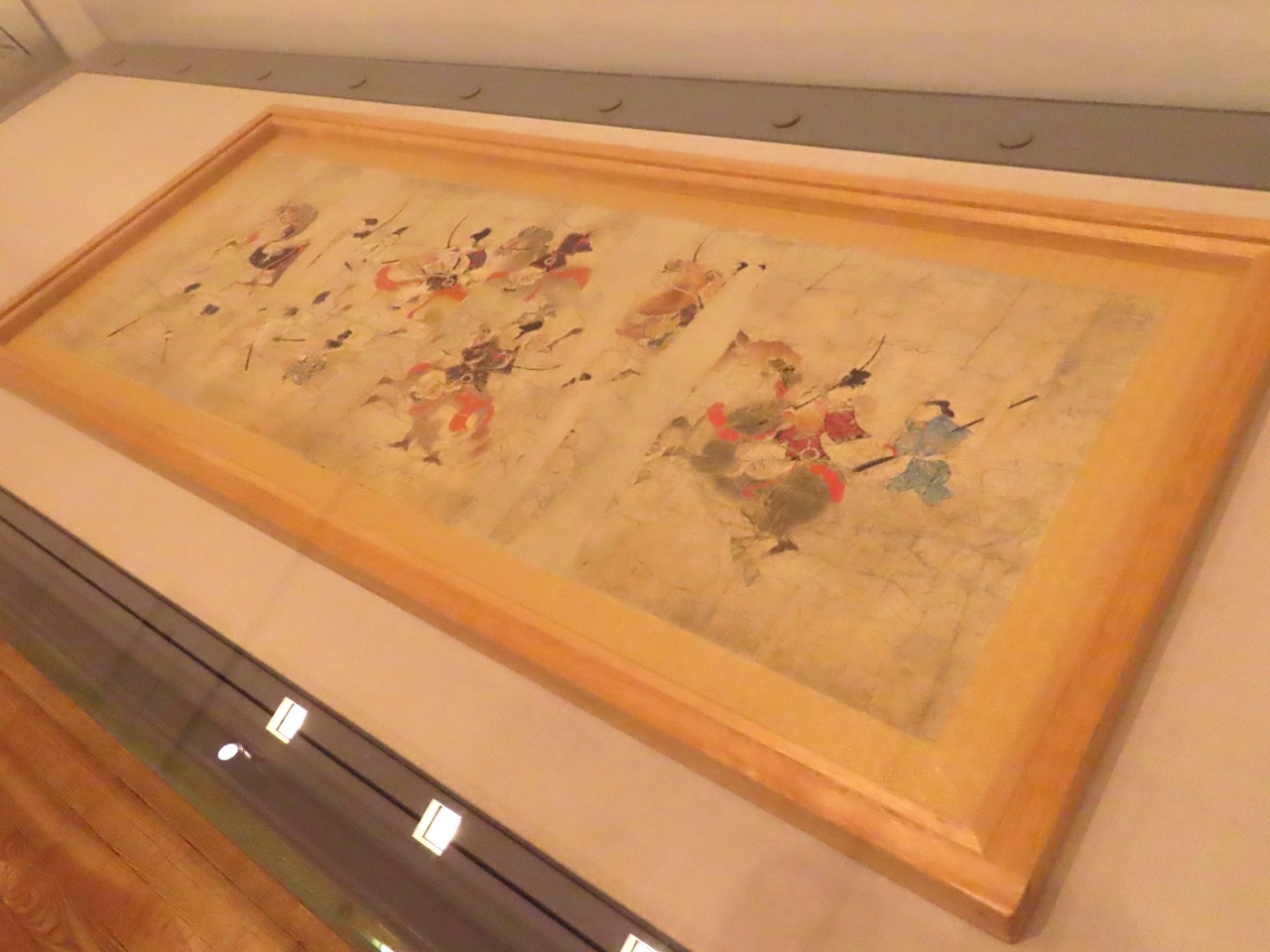
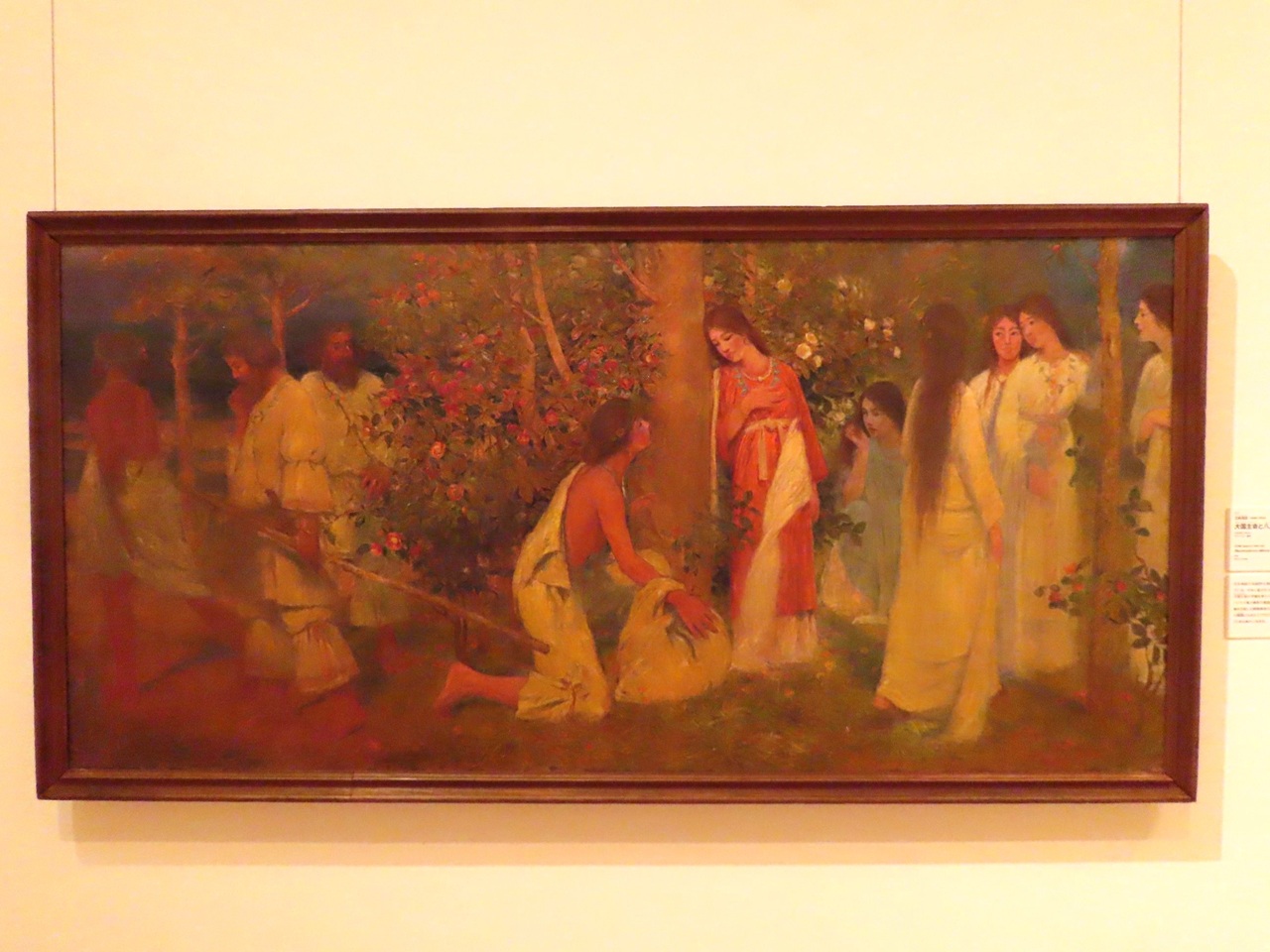
Raphael Collin, "Pastoral Love Poem," 1882. *All works featured in this article are held by Tokyo University of the Arts.Seiki Kuroda, "Portrait of a Woman (in a Kitchen)," 1892 (Meiji 25).Nagai Shosai, "Copy of the National Treasure Ban Dainagon Emaki (Illustrated Scroll of Ban Dainagon), Volume 1," 2012, Ink and color on paper.Seikichi Gomi, "Okuninushi-no-Mikoto and Yagami-hime," 1913 (Taisho 2)In the foreground on the left is Kentaro Okumura's "Summer Clouds," from 1918 (Taisho 7).
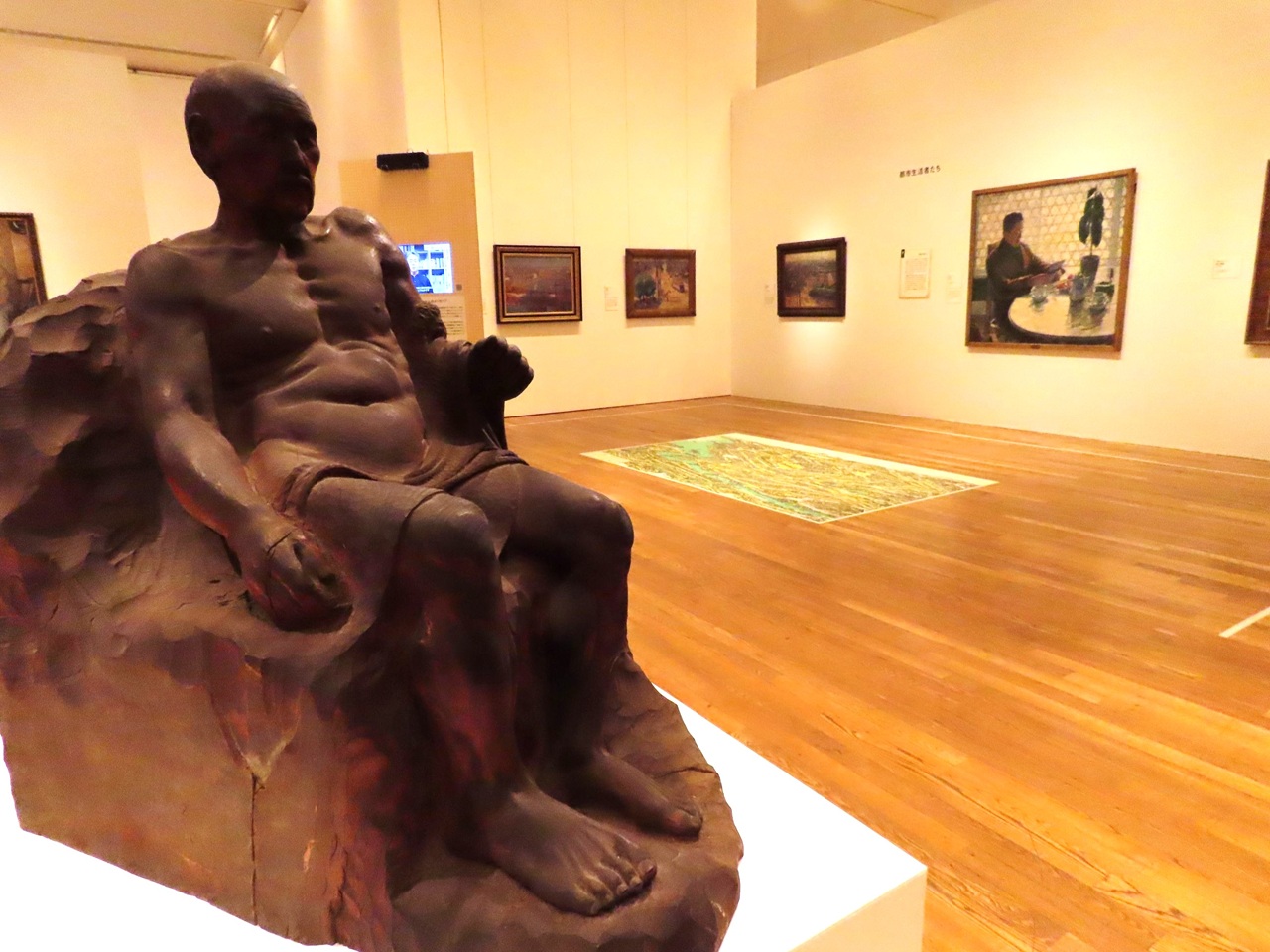
Although it's presented in a classroom format, it's certainly not a lecture-style class. The venue features a diverse collection from the Tokyo University of the Arts, including works by past professors such as Seiki Kuroda, Eisaku Wada, and Tanaka Hirakushi, as well as works by graduates such as Tsuguharu Fujita, and even works by Van Gogh and students. Through this real-world viewing experience, you can learn how to appreciate art.
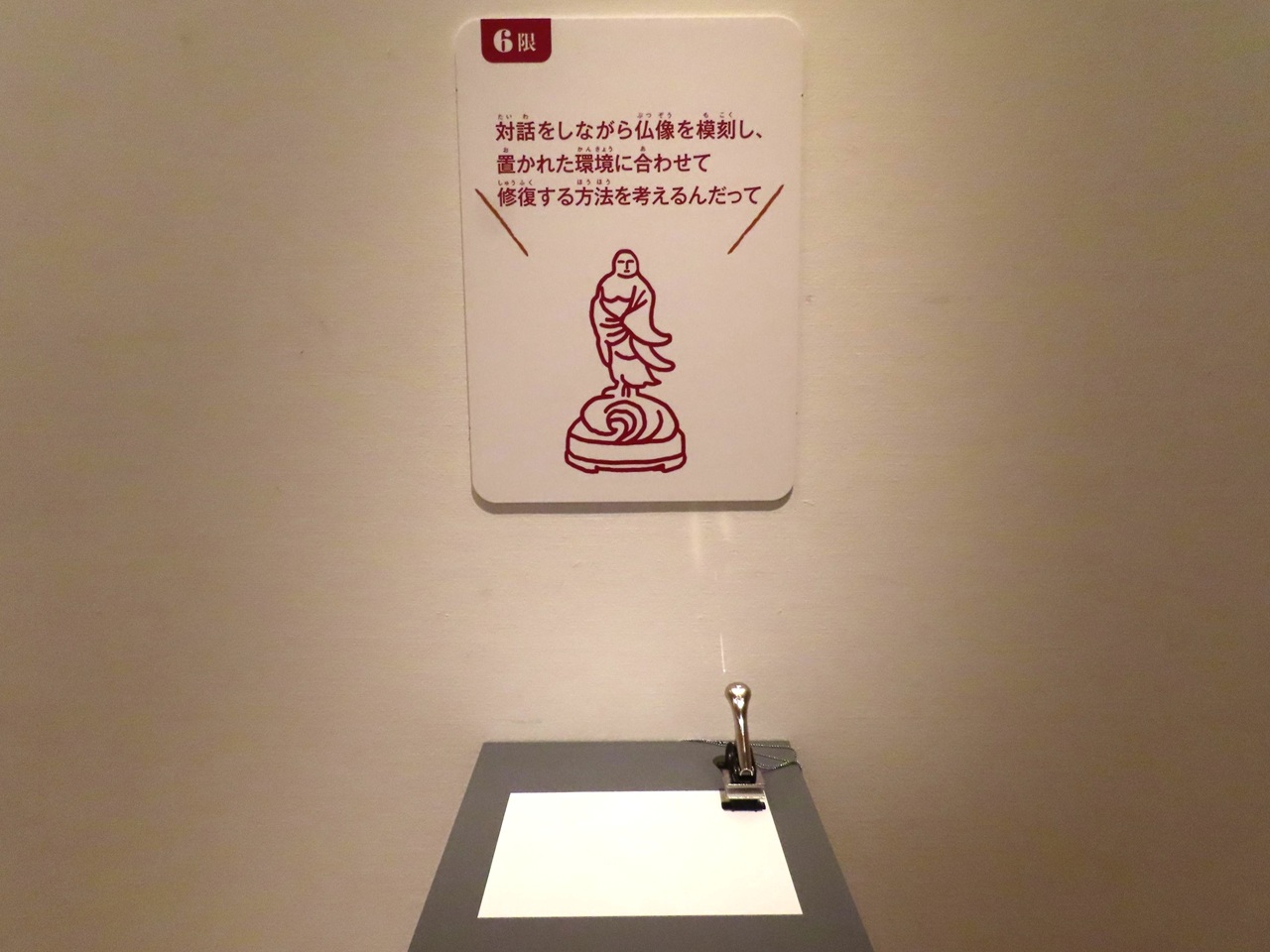
In the first three periods, we will look back at modern Japanese art of the Meiji period from various angles, and in the fourth period, we will learn about the Japanese aesthetic sense from Okakura Tenshin's "The Heart of Tea," who was deeply involved in the founding of the art school. In the fifth period, we will focus on "copying," which has been passed down through generations at Tokyo University of the Arts, and in the sixth period, we will introduce methods of preserving and restoring Buddhist statues, centered on "sculpting." Through these sessions, we will highlight the importance of "confronting our roots."
In addition, during periods 9-11, we will introduce the achievements of art school graduates and provide an overview of the cultural transformations in Tokyo approximately 100 years ago.
Watch art students at Tokyo University of the Arts create their own reproductions right before your eyes!
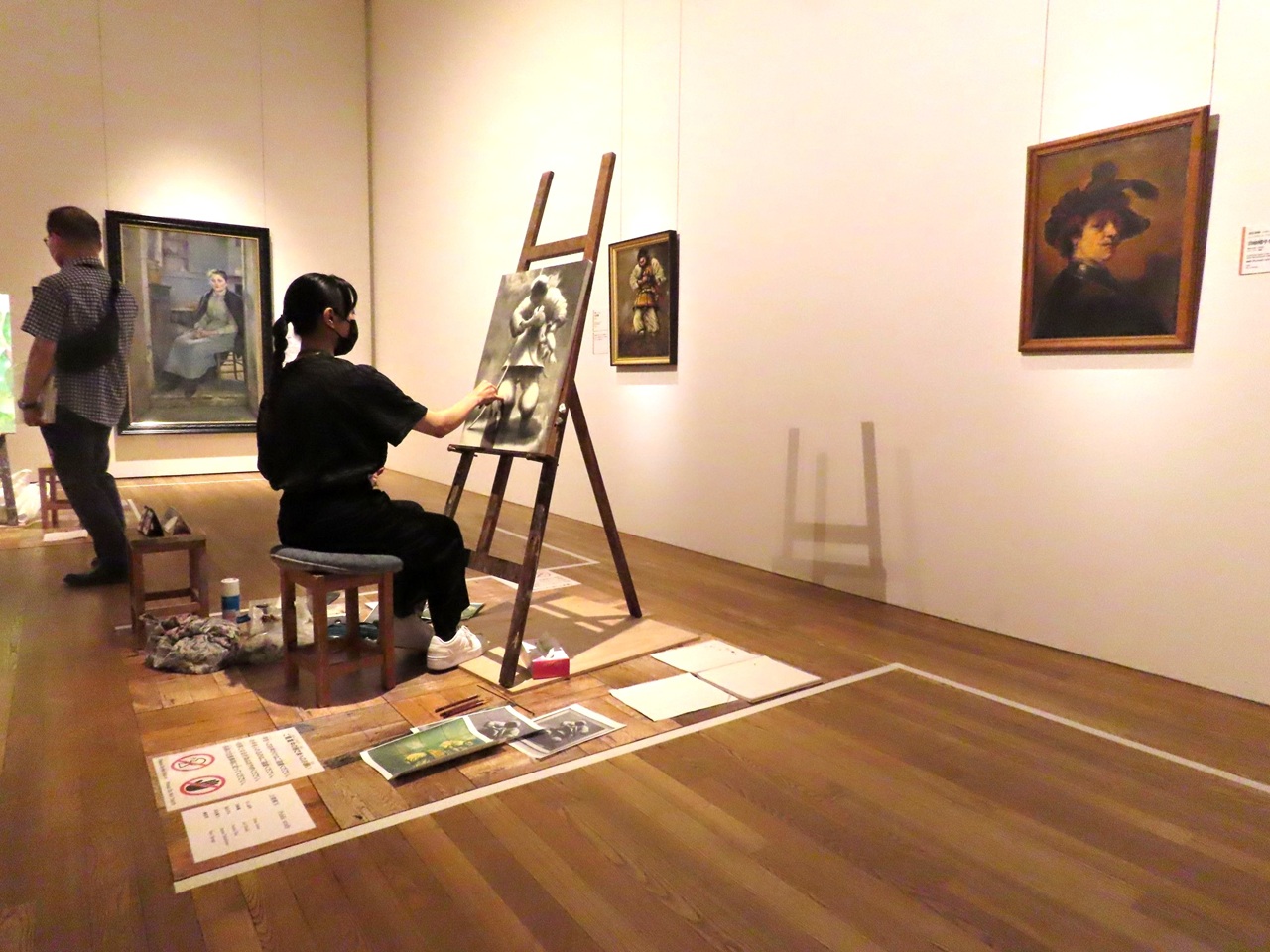
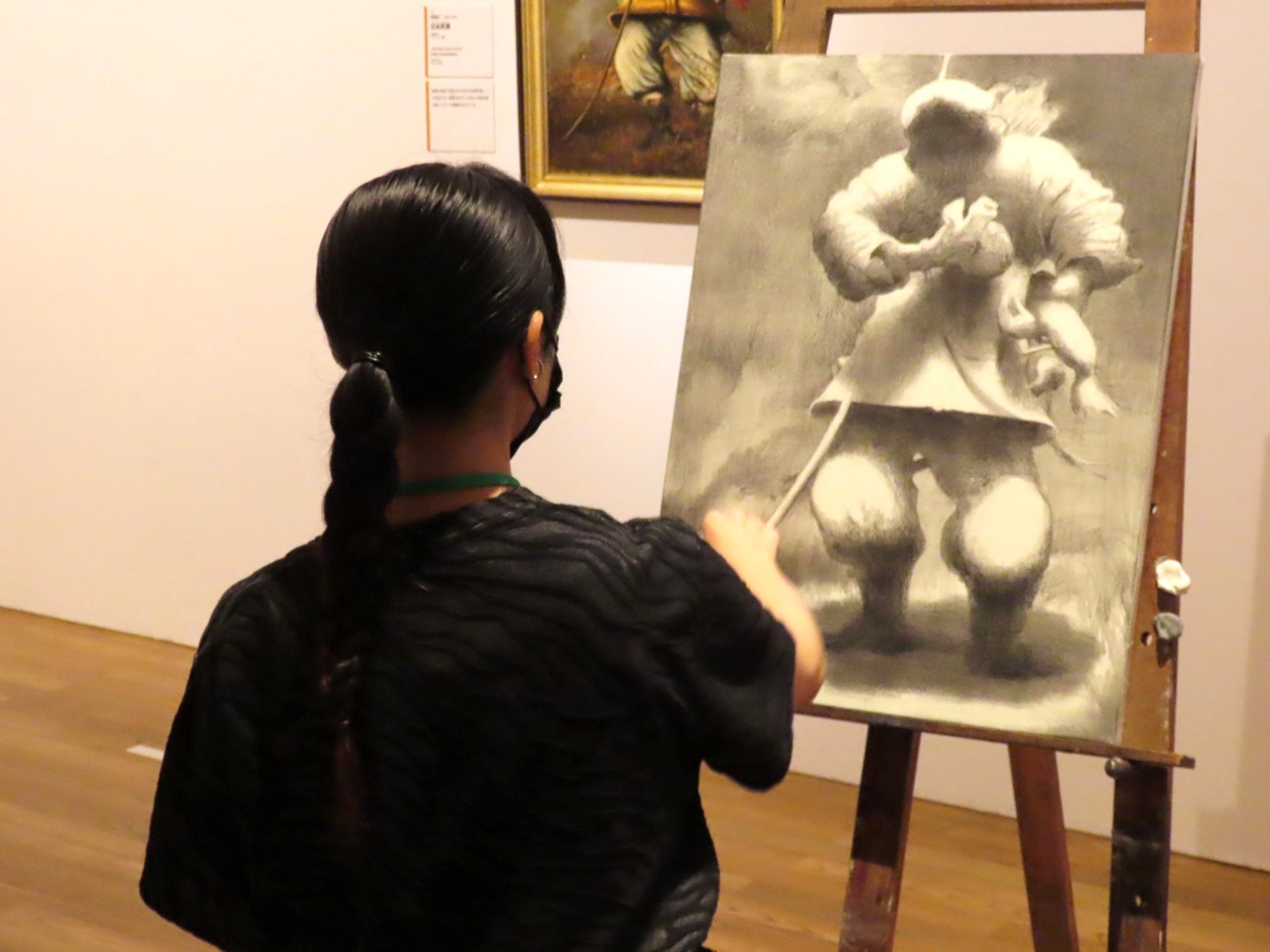
In the first period's basic painting workshop, "Learning from the Museum: Understanding the Hands and Spirit of Beauty Through Copying," current art students demonstrated copying techniques right in the exhibition room.
During the Knights press conference, Tsuchiya recounted his experience interviewing art students who were making copies of artwork. He explained that because the venue was an actual exhibition space for artwork, the tools available for copying were limited. Despite these constraints, the art students were not simply copying the works exactly, but were also trying various approaches, such as changing the light source from the original paintings.
Watching art students at Tokyo University of the Arts earnestly copying paintings might give you a chance to reflect on the artist's feelings and intentions hidden within the artwork.
As an experiential learning activity during summer vacation
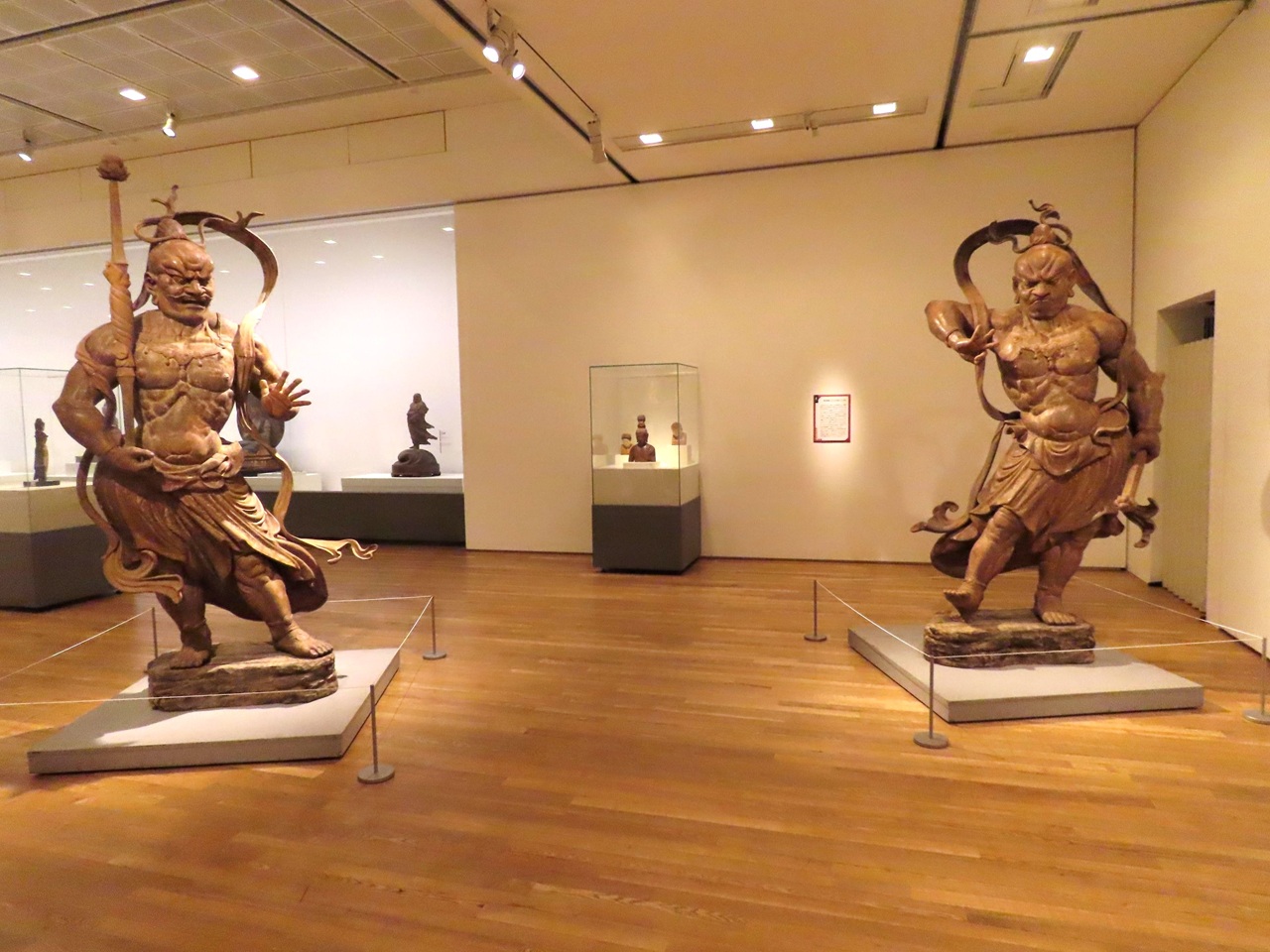
The 7th exhibition room is filled with adorable works featuring animal motifs.Try pasting them while thinking about the feelings of the animals depicted.In the 8th period, you can experience and participate in an art appreciation archive created using AI analysis.The exquisite detail and sheer power of the scaled replica of the Nio statues at the South Gate of Todai-ji Temple are truly awe-inspiring.
Although this exhibition is themed around university lectures, it's not just adults who can enjoy it.
In the 7th period, "Let's look at artwork through the eyes of animals," various works of art featuring animals as motifs are on display. This area is recommended for children as it allows them to start with the simple feeling of "cute."
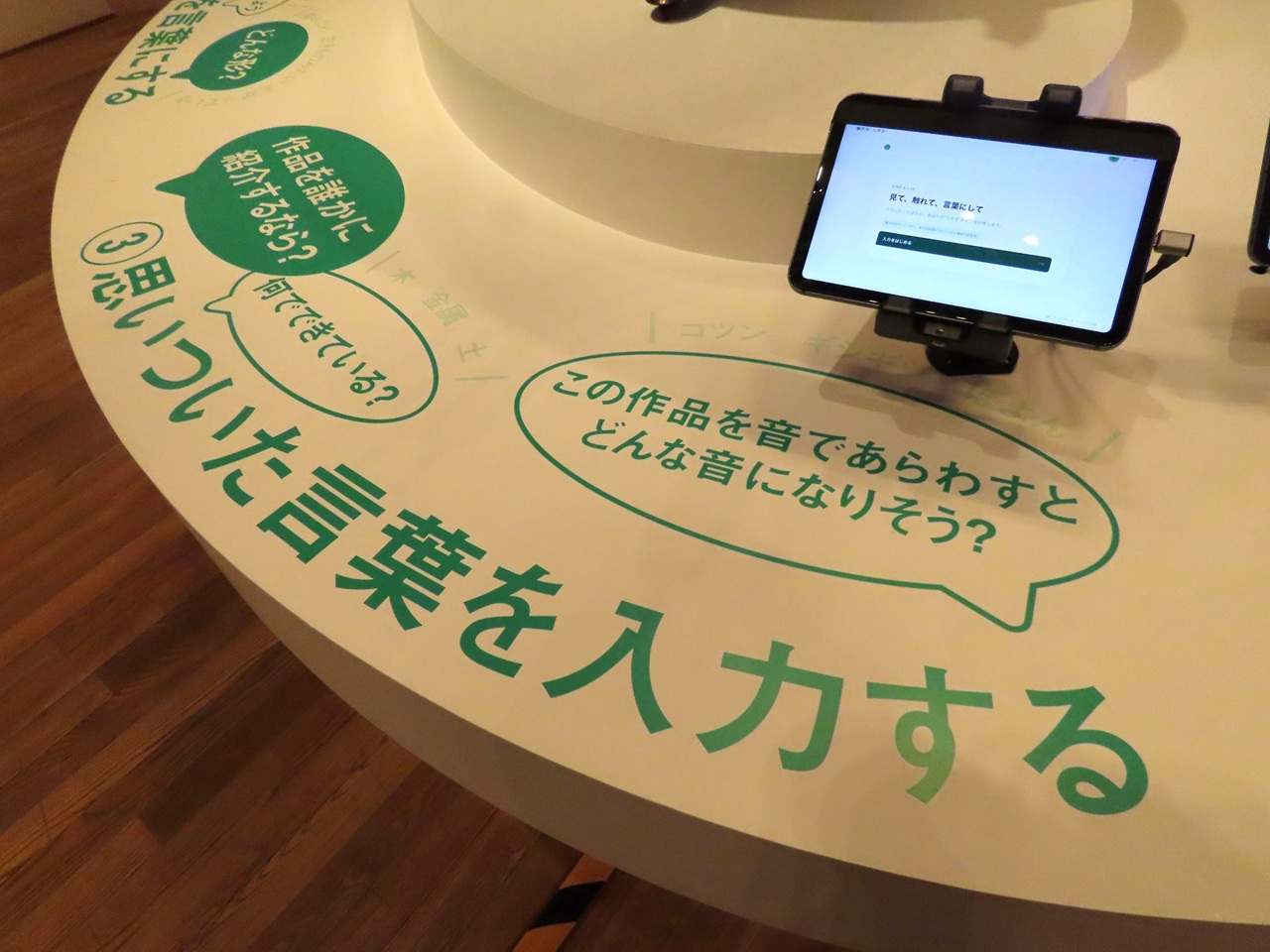
In the 8th period, "See, Touch, and Put into Words," we will introduce the latest art appreciation archive powered by AI analysis. Through this archive, which organizes and stores impressions of viewing artworks using AI, you can experience the differences between yourself and others, and how your own appreciation of art has changed. Sharing your impressions with your child may lead to various insights.
My personal recommendation is the scaled-down replica of the Nio statues at the Todai-ji Temple's South Gate, which is on display in the 6th period lecture, "The Art University Style: Doctors of Buddhist Statues." This piece was created by making subtle adjustments to various angles and forms of the statues according to the scale. Be sure to experience the "glare" of the Nio statues, which are said to ward off evil, at the venue.
The venue will feature interactive exhibits that families can enjoy together, as well as worksheets that allow visitors to enjoy embossing stamps. Furthermore, during the event, there will be unique events such as mini-concerts and mini-lectures, typical of Tokyo University of the Arts. Why not delve deeper into a lecture that interests you and turn it into a summer vacation project?
"Geidai-style Perspective on Art – Become an Geidai Student This Summer" Overview
Exhibition period
July 24, 2026 (Friday) – September 23, 2026 (Wednesday/Holiday)
venue
Tokyo University of the Arts University Art Museum Main Building Exhibition Rooms 1, 2, 3, 4 (Ueno Park, Tokyo)
Opening hours
10:00 AM to 5:00 PM (Last entry is 30 minutes before closing)
Closed days
Monday
Excluding August 10th (Monday) and September 21st (Monday/National Holiday)
*The information in this article is current as of the time of the interview. Please check the official website or other sources for the latest information.
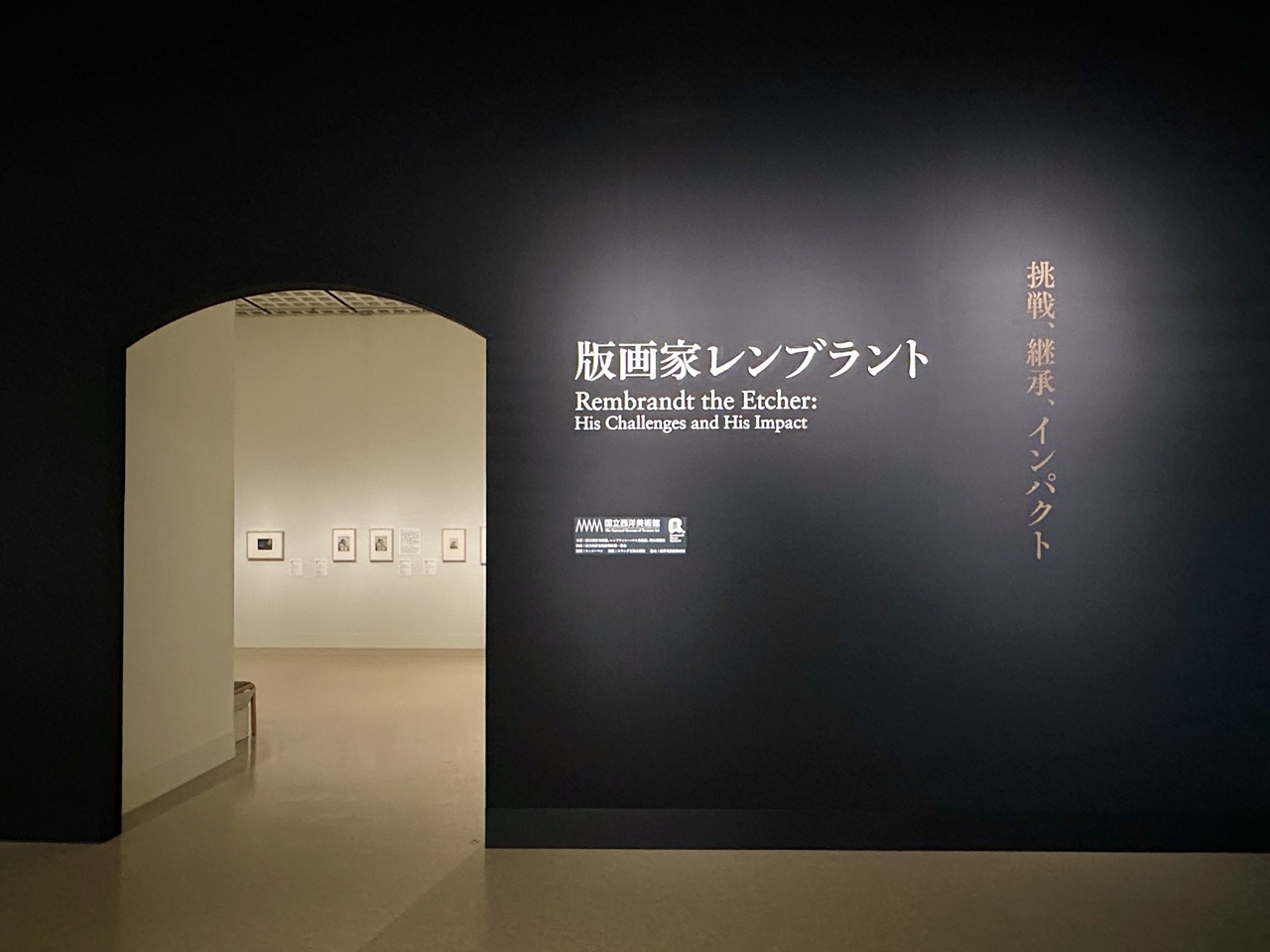
An exhibition highlighting the "printmaker" aspect of Rembrandt Harmenszoon van Rijn (1606-69), a leading 17th-century Dutch painter, has opened at the National Museum of Western Art. Titled "Rembrandt the Printmaker: Challenge, Inheritance, Impact," the exhibition runs until September 23, 2026 (Wednesday, national holiday).
*Some exhibited works will be changed during the exhibition period.Please check the list of works posted onthe official website for details.
Born in Leiden, Netherlands in 1606, Rembrandt established himself as a leading portrait and narrative painter. He is widely known for his oil paintings such as "The Night Watch," which uses dramatic contrasts of light and shadow, but throughout his life he also devoted himself to printmaking, especially etching, and for pioneering its expressive possibilities, he is considered one of the greatest masters in the history of printmaking.
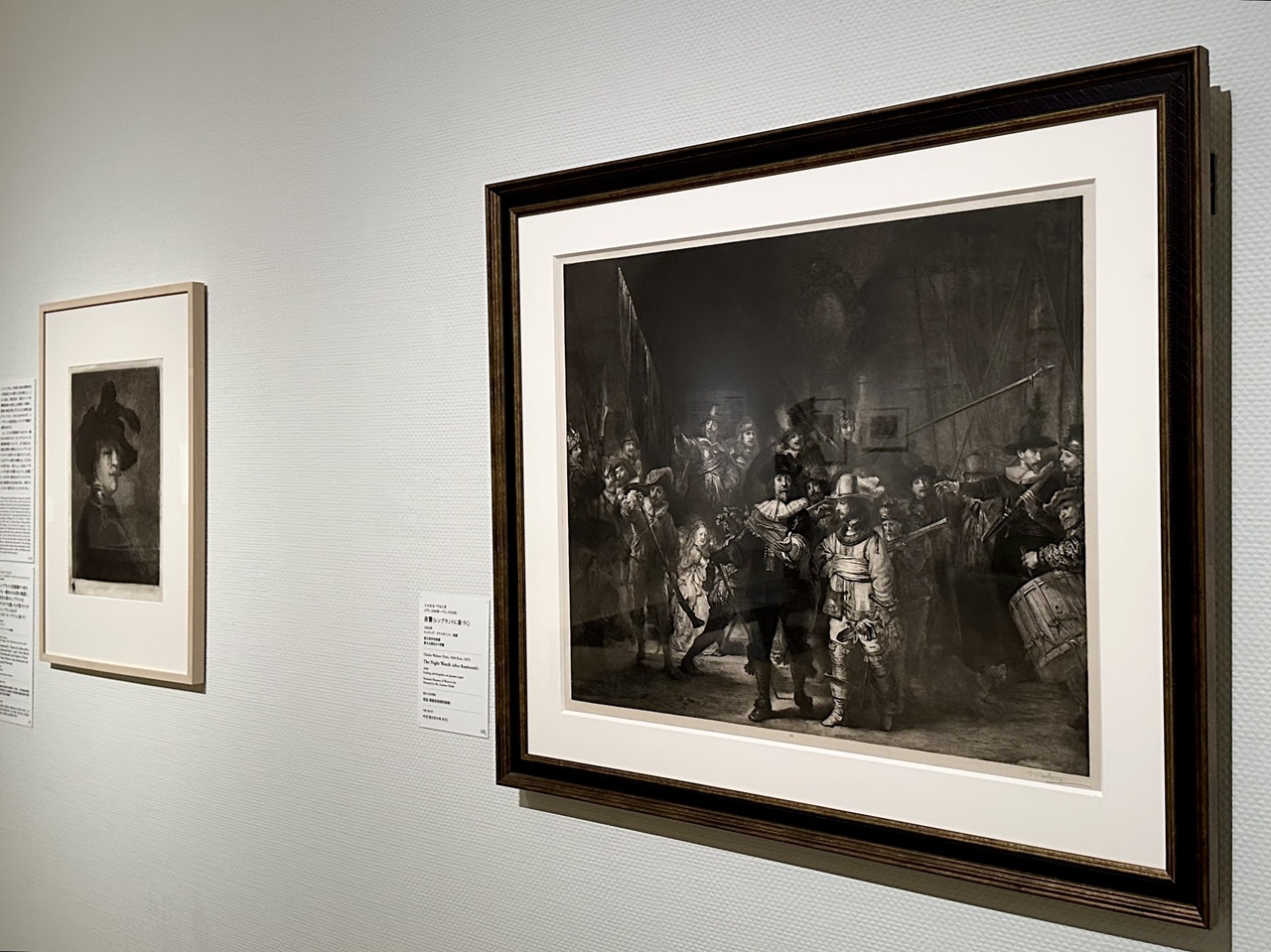
Exhibition viewOn the right is Charles Wartenay's "The Night Watch (based on Rembrandt)," 1886, National Museum of Western Art (donated by Mr. Gentaro Hoshimoto).
This exhibition not only traces the various "challenges" in Rembrandt's printmaking expression, but also brings together works by Goya, Matisse, Picasso, and others who were influenced by him, tracing the aspects of "inheritance" and "impact" up to the early 20th century. It primarily features works from the collections of the Rembrandt House Museum in Amsterdam, the world's only museum dedicated to Rembrandt, and the National Museum of Western Art, along with works borrowed from museums in Japan, university libraries, and private collectors overseas. Approximately 130 items are on display, including books and posters.
Chapter 1, "Rembrandt's Challenge in Printmaking," introduces the diverse expressions produced by Rembrandt's ambitious printmaking process in five thematic sections: "Portraits and Head Studies," "Social Marginalists and Common People," "Religious Themes," "Sketches on Copperplate Engravings," and "Landscapes."
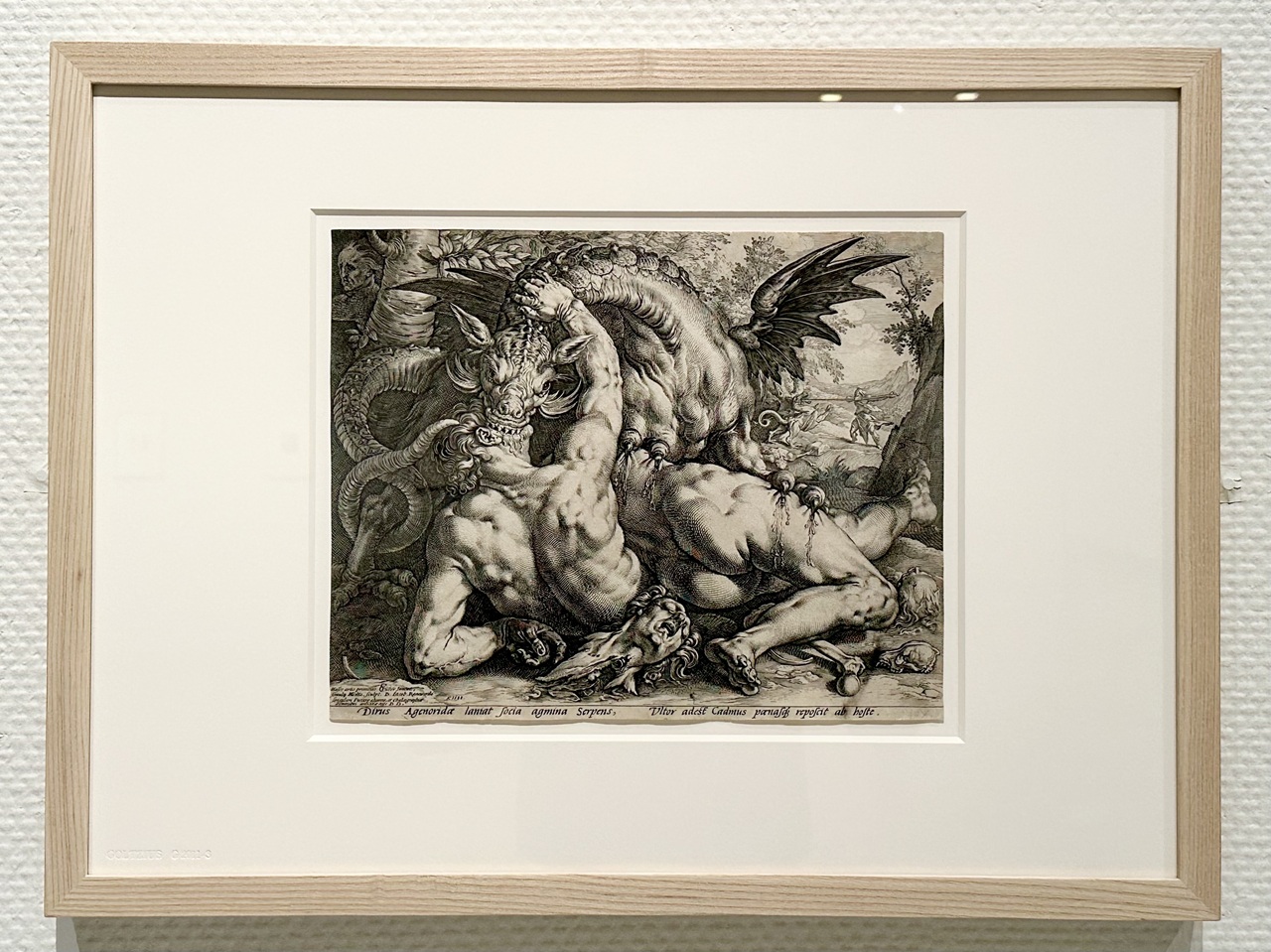
In 17th-century Europe, the main printmaking techniques prevalent included woodblock printing, as well as metal engraving and etching. Engraving, which preceded etching, was a technique in which a metal plate (the plate on which the image for printing is carved) was directly engraved using a burin (carving tool). Due to its difficulty, it required advanced training, and the resulting style was characterized by strong, sharp, and predominantly linear lines, sometimes almost mechanically regular.
An example of 16th-century engraving technique: "Cadmus's Subordinate Being Bitten by a Dragon," 1588, by Hendrik Holtzius, based on Cornelis Cornelis van Haarlem, National Museum of Western Art [Reference exhibit]
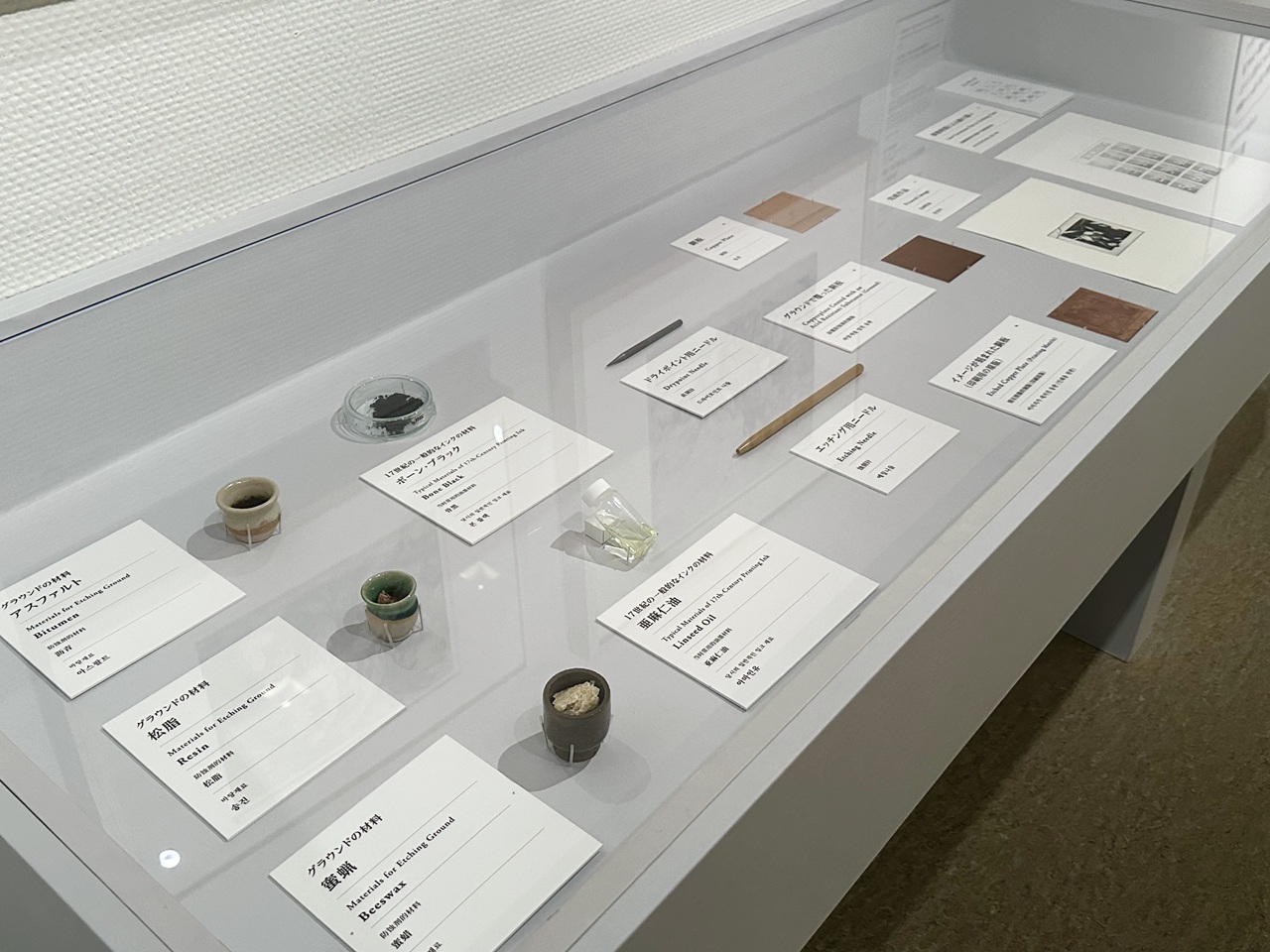
In contrast, Rembrandt primarily focused on etching (corrosion engraving). This technique, originally developed for engraving decorations onto hard iron armor and swords, was applied to printmaking. It involves scraping a copper plate coated with an anti-corrosion agent using a needle (a tool with a needle-like tip), and then corroding the exposed metal with acid to create grooves. Its characteristic feature is that it can be produced with the same ease as drawing on paper with a pen, but initially it was often treated as a substitute for engraving, which required an enormous amount of time to produce, and its expressive potential was not fully explored.
Exhibition of materials related to etching production
In the early 17th century, painters in the Netherlands who had not received formal training as printmakers began to enter the field of etching. A movement to explore new forms of expression unbound by tradition began to spread. Rembrandt, who had just become an independent painter, joined this movement and contributed to its development as a leading figure during this historical turning point. He left behind a remarkable 314 works, each based on an original plate.
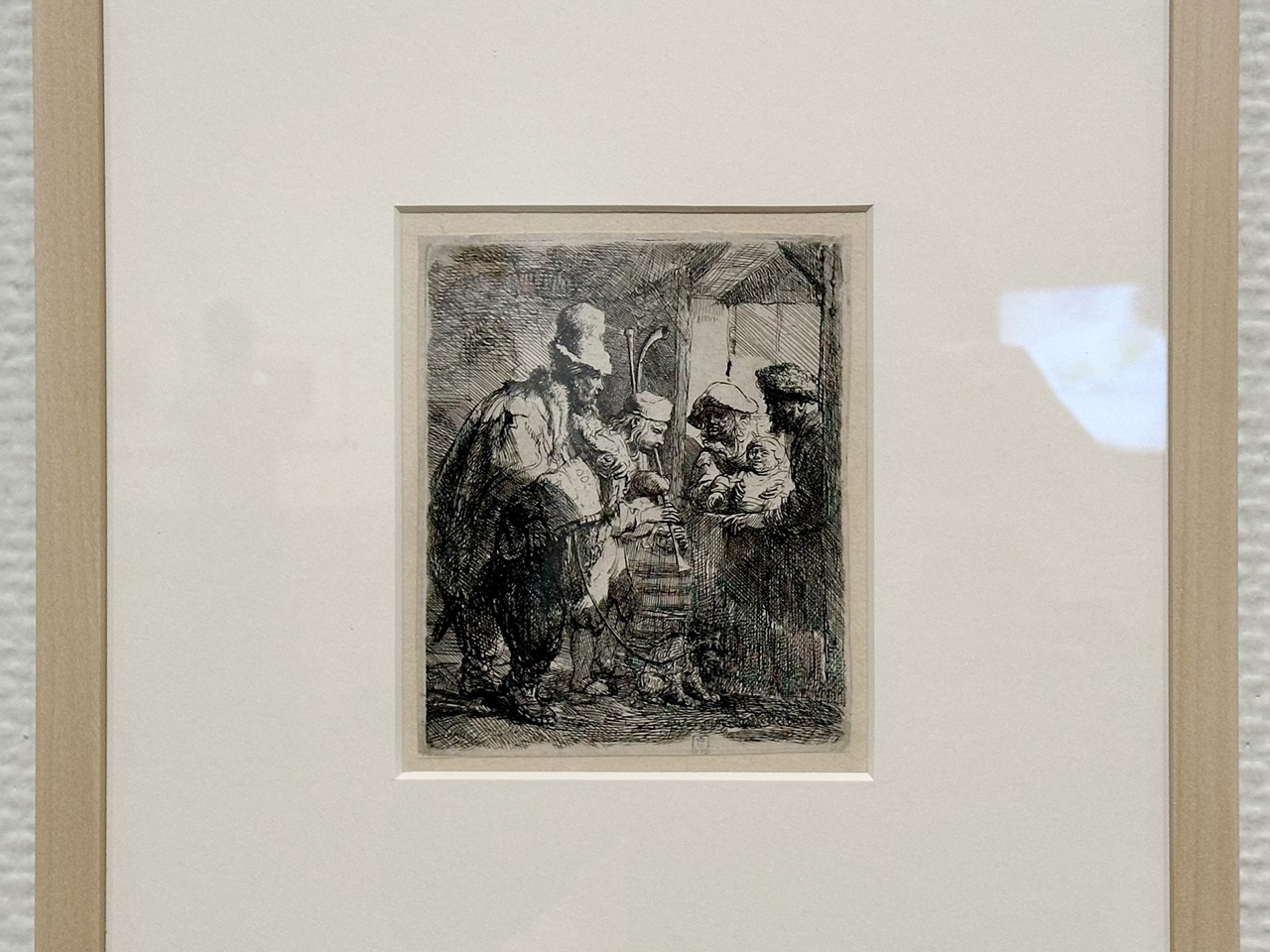
Rembrandt Harmenszoon van Rijn, "Traveling Musicians," circa 1635, Rembrandt House Museum.
Many painters who worked with etching produced only a few works during a brief period of their careers, and the majority of those works depicted landscapes. In contrast, Rembrandt dealt with a wide range of subjects, including not only landscapes but also portraits, head studies, genre scenes, and biblical stories. He also left behind examples of study-like works using copper plates as sketchbooks, which was a new genre in the Netherlands at the time. Working in such a wide range of genres was by no means common in the Netherlands, where specialization within genres was advanced. From this perspective, Rembrandt's printmaking can be said to have been challenging.
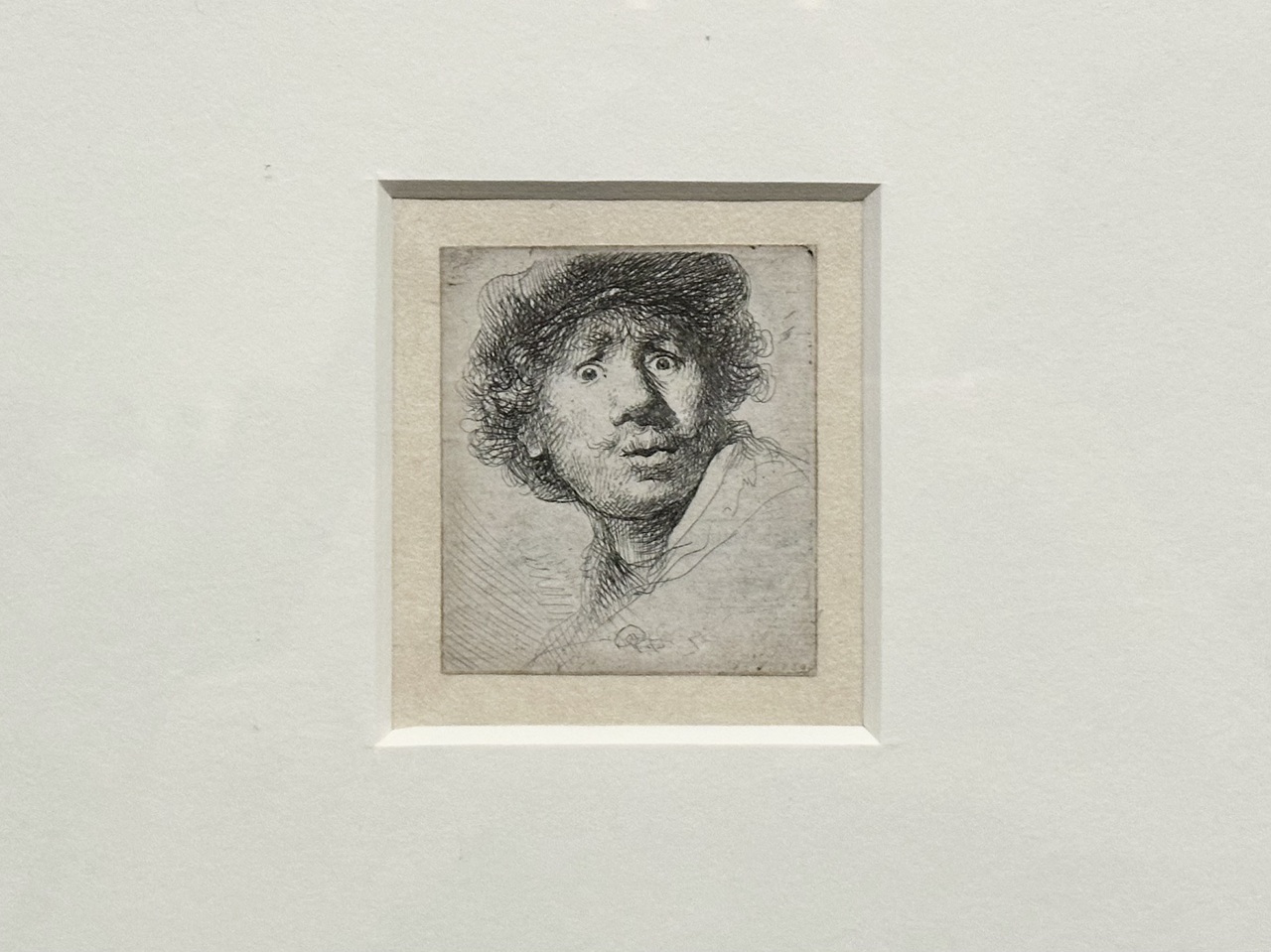
Rembrandt Harmenszoon van Rijn, "Self-Portrait, Face with Open Mouth," 1630, Rembrandt House Museum.
Rembrandt's early, iconic study , "Self-Portrait, Face with Open Mouth" (1630), with its wide-open eyes and pursed lips, gives a seemingly comical impression, but it was by no means created as a joke. This work reveals that Rembrandt, as a storyteller, pursued persuasiveness in his depiction of figures, and studied various expressions using his own face as a model.
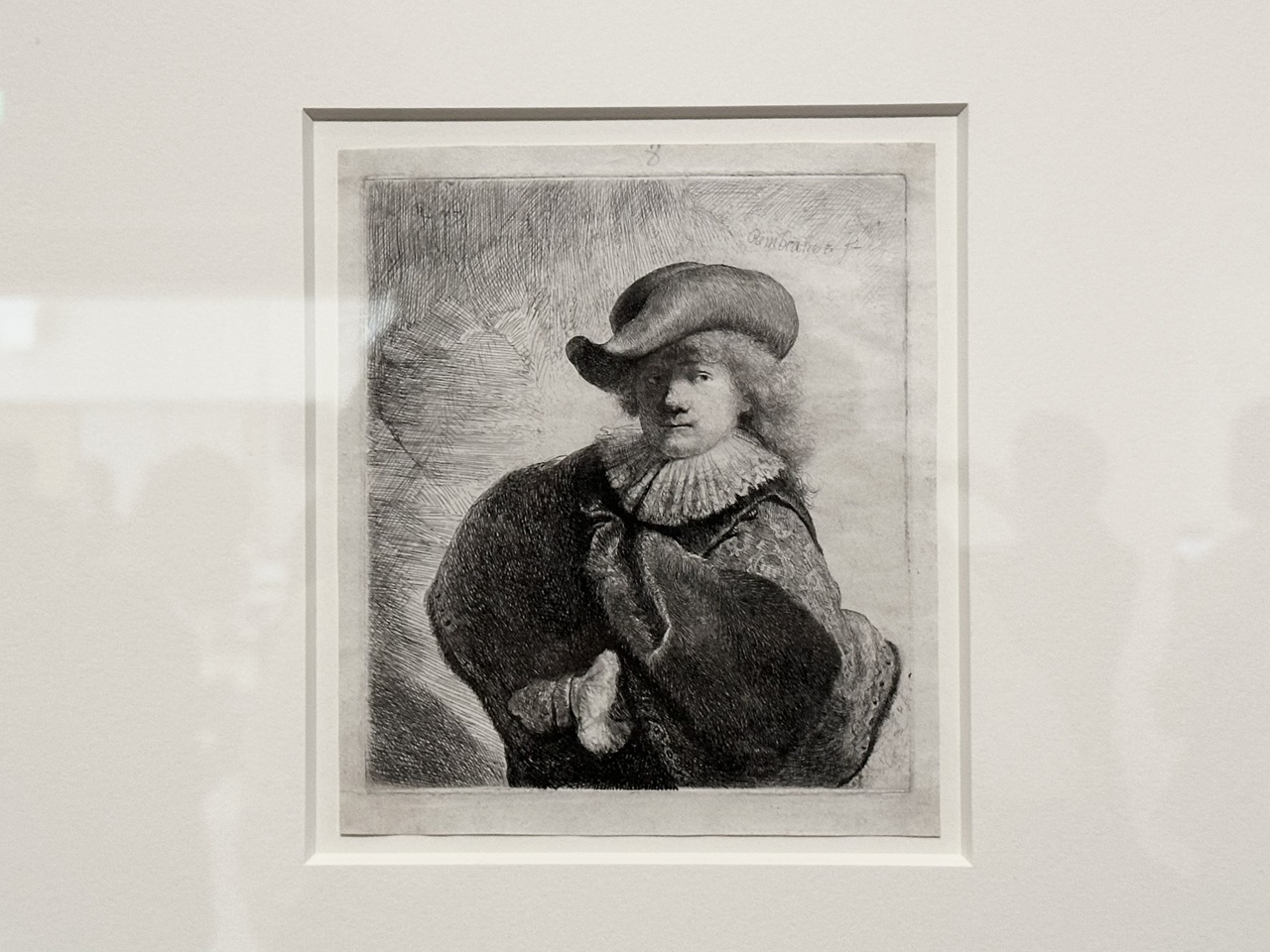
Rembrandt Harmenszoon van Rijn, "Self-Portrait with Soft Hat and Patterned Cloak," 1631, National Museum of Western Art, Japan.
The following year's "Self-Portrait with Soft Hat and Patterned Cloak" (1631), though small, is striking for the variety of its line work. The supple fabric of the curved brim of the hat is depicted with a series of gently undulating vertical lines, while the glossy, substantial fabric of the cloak is rendered with overlapping intersecting and zigzag lines of different patterns. On the other hand, the pleated collar, the lace on the cuffs, and the curly hair are rendered with the freedom of a pen sketch, using soft and delicate lines. This shows that he had already overcome the "monotonity" that had often been criticized about him and had established a line drawing style that was appropriate for different textures.
Furthermore, etching is a process that typically involves repeatedly making alterations to the original plate (states) and developing the image as it is printed. Rembrandt's number of states is exceptional, and 14 states have been identified in this work.
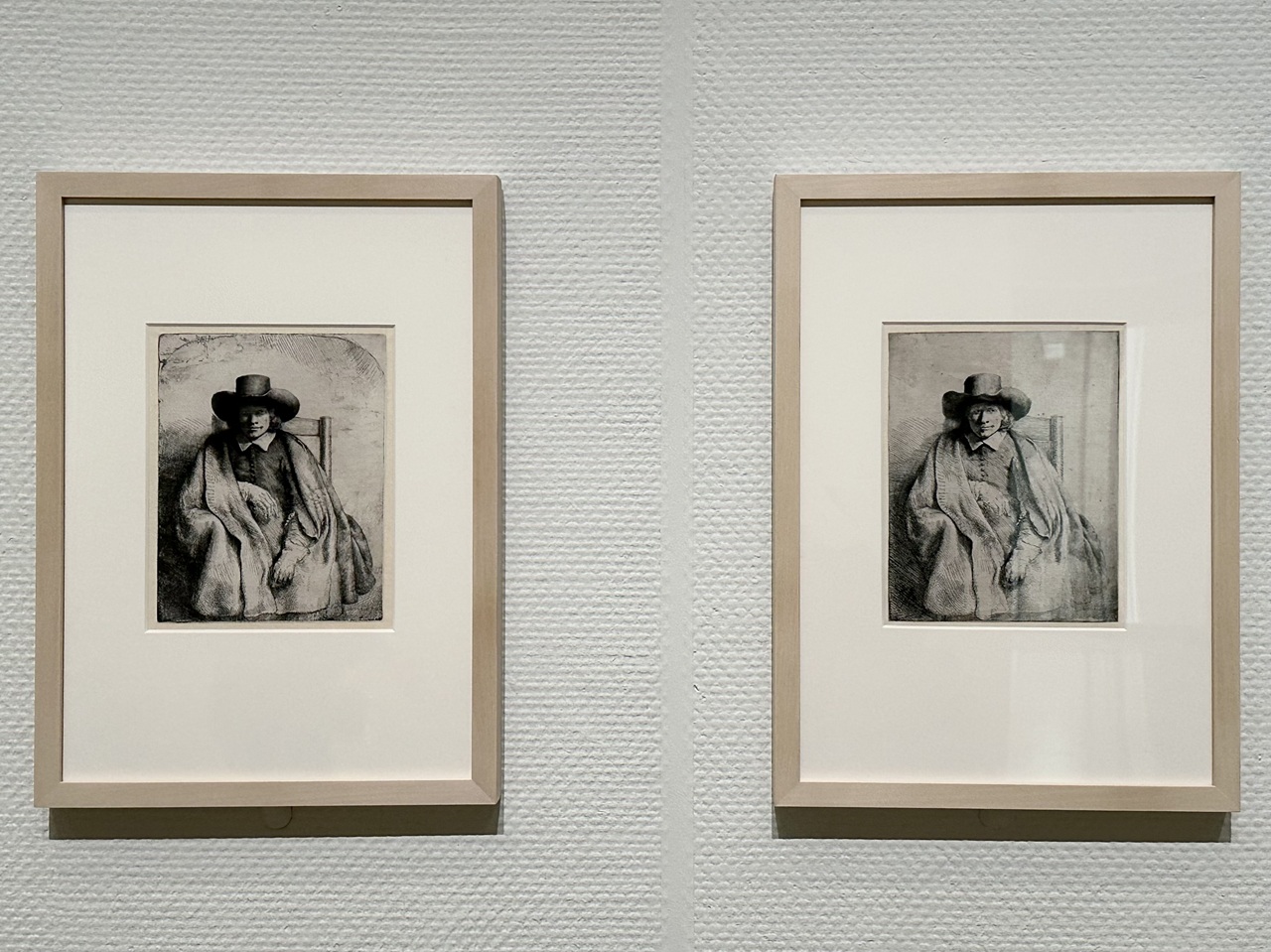
Both are Rembrandt Harmenszoon van Rijn's "Portrait of Clement de Jonge, Printmaker," 1651, from the Rembrandt House Museum.
In the exhibition of "Portrait of Clement de Jonghe, Printmaker" (1651), you can compare the first and fifth states of the print. In the fifth state, the shading is darker, making it difficult to read the facial expression, which gives the print a mysterious atmosphere.
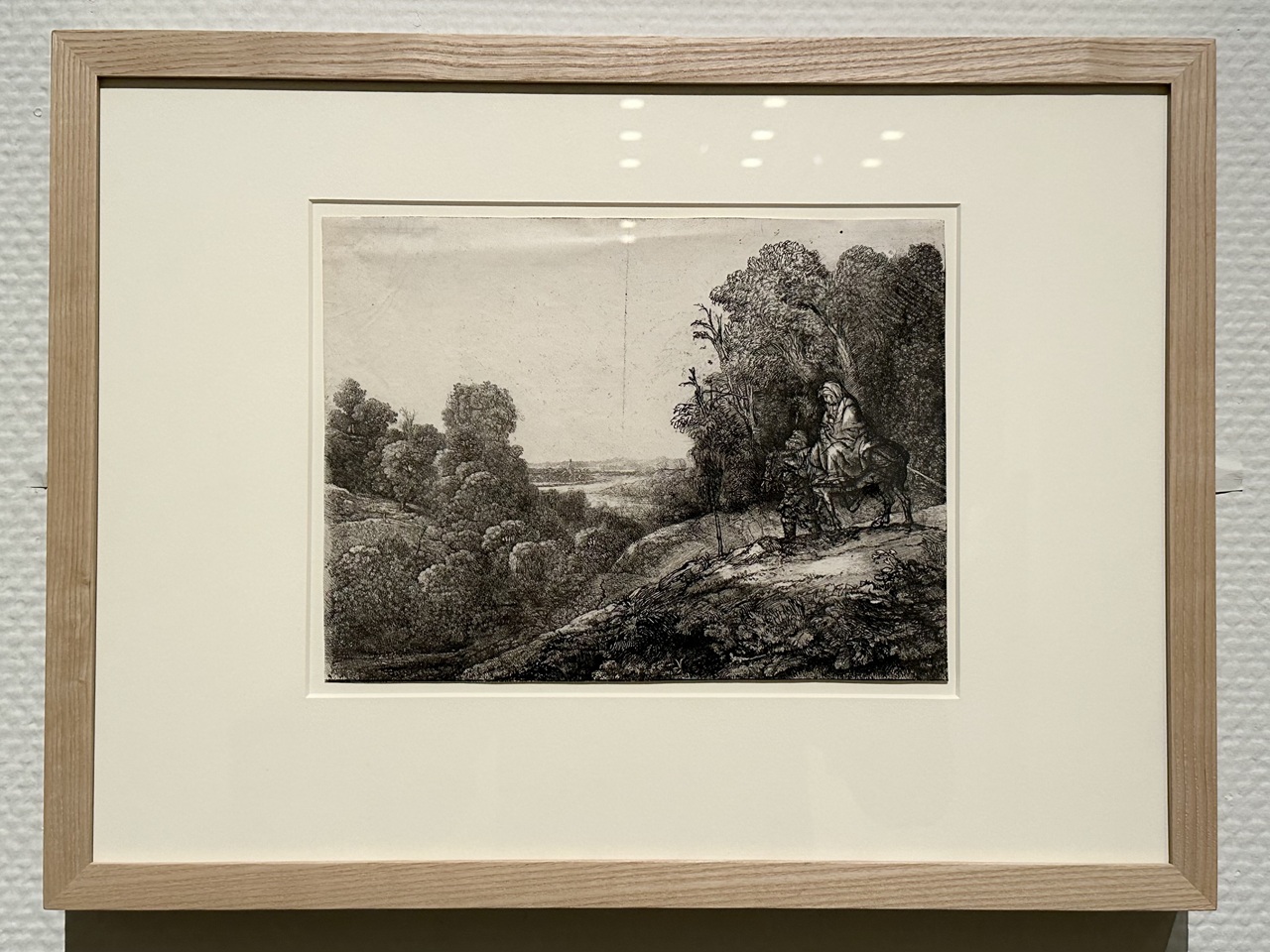
Rembrandt often made significant changes by layering states, sometimes to the point of altering the very meaning of the scene. Gradually, he began to use altering the original plate as a means of creating variations, rather than merely developing the image. There are even examples like "The Flight into Egypt" (c. 1652), in which he altered the original plate of the earlier printmaker Segers' "Tobias and the Angel" to create a work with a different subject, the Holy Family on their journey to Egypt. This suggests that Rembrandt viewed printmaking not as a fixed, finished product, but as a flexible creative space.
Rembrandt Harmenszoon van Rijn, adaptation of Hercules Segers' original, "The Flight into Egypt," circa 1652, National Museum of Western Art, Japan.
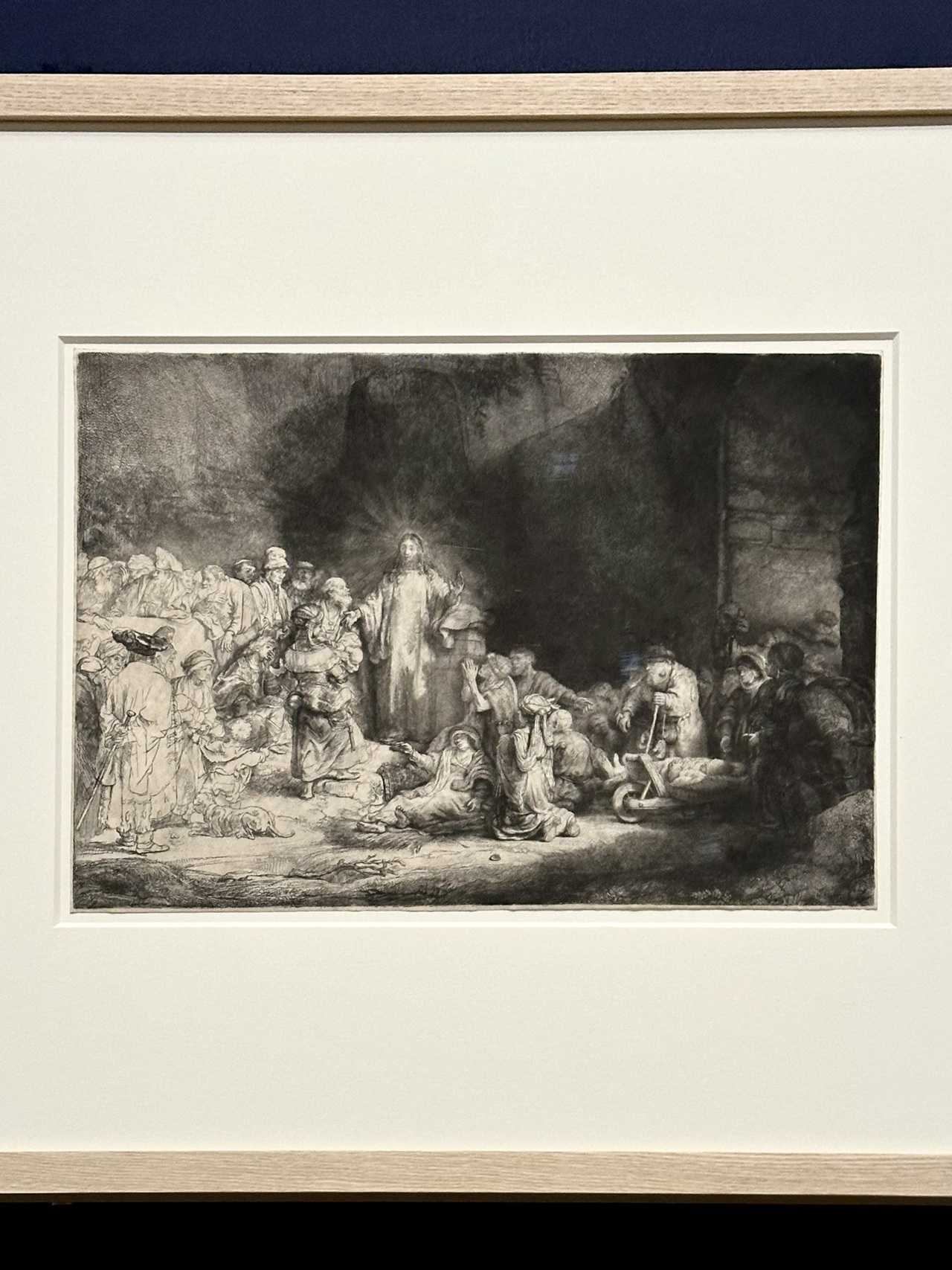
Rembrandt's "One Hundred Gulden Print" (1648), considered the finest of his etchings, is one of the highlights of this exhibition. The title comes from the fact that it was sold for an exceptionally high price of "100 guilders" for an etching at the time. The print depicts various scenes from chapter 19 of the Gospel of Matthew in the New Testament, unfolding simultaneously with Christ as the common protagonist.
Rembrandt Harmenszoon van Rijn, "The Hundred Guilden Print," circa 1648, National Museum of Western Art, Japan.
In a background shrouded in soft darkness, the nuanced gradation of light and shadow, shifting from jet black to gray to white, is created by a network of countless lines. The use of the "drypoint" technique, which involves directly scraping the copper plate with a special needle to create a unique blurring effect in the raised areas, and printing on Japanese paper further enhances the rich tonal gradation, bringing a profound resonance to the depiction of the scene.
On the other hand, the group of figures on the left side of the painting are depicted almost entirely by outlines, resembling pen sketches. While this work is notable for its innovative ensemble composition, it can also be seen as the culmination of Rembrandt's technical experimentation.
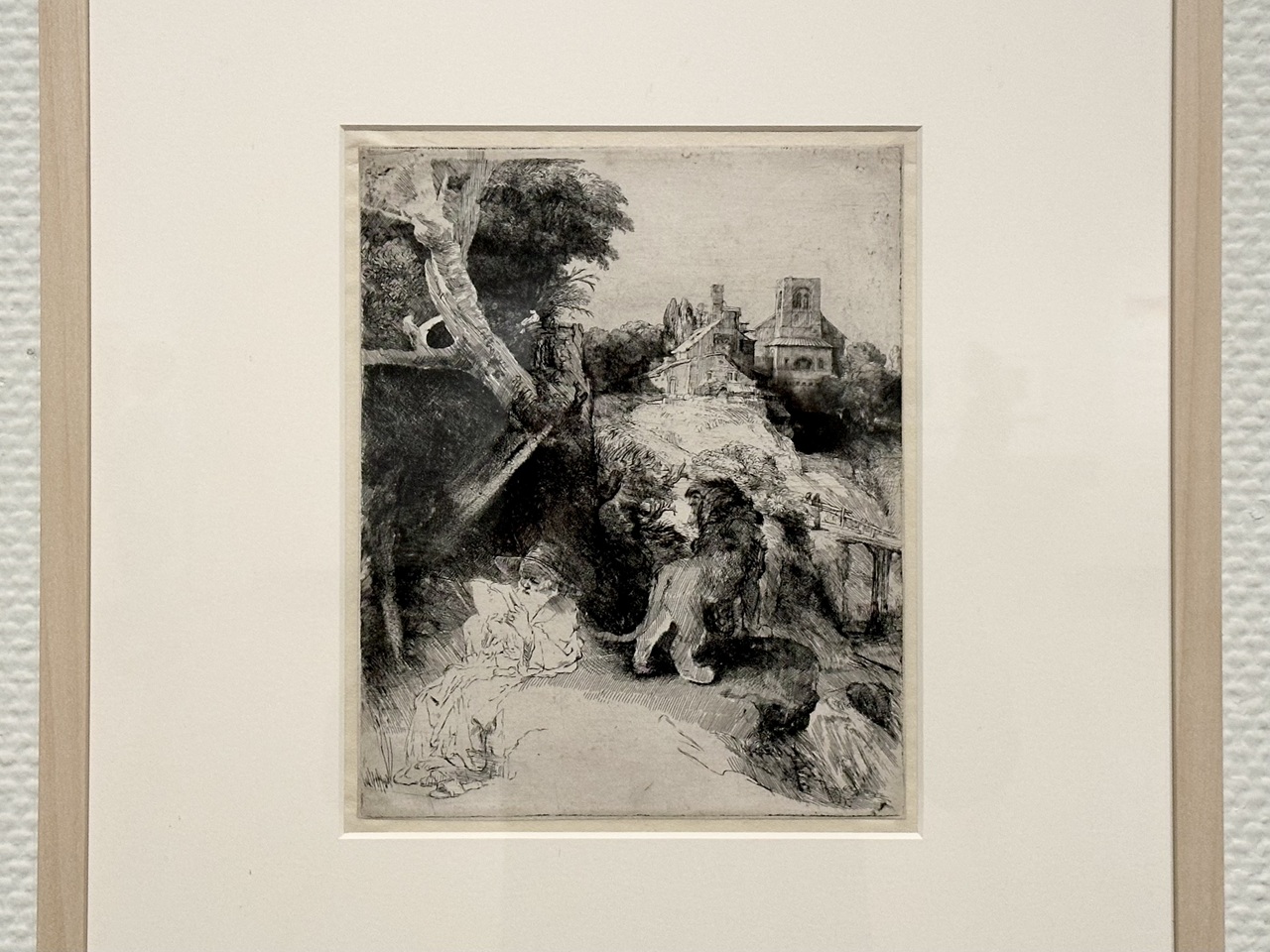
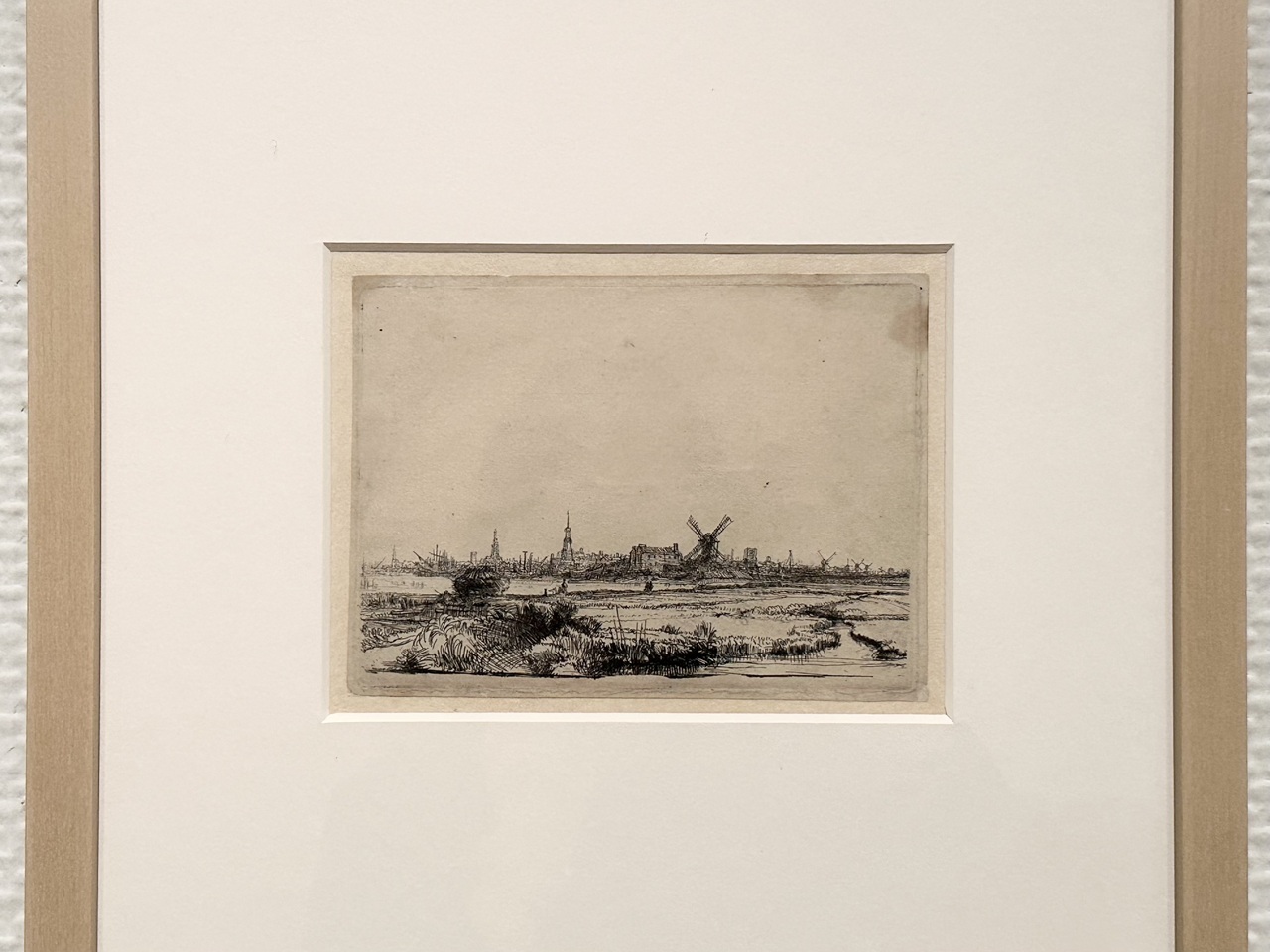
Rembrandt Harmenszoon van Rijn, *Saint Jerome Reading in an Italian Landscape*, circa 1653, Rembrandt House Museum.Rembrandt Harmenszoon van Rijn, *View of Amsterdam*, circa 1641, Rembrandt House Museum.
"View of Amsterdam" (c. 1641) is a work in which Rembrandt captures the city of Amsterdam, where he spent most of his career, from across the canal. The composition, with a low horizon and sky occupying most of the canvas, is in line with the trends of Dutch landscape painting at the time. On the other hand, the technique of deliberately leaving the sky white to convey a sense of light deviates from the traditional printmaking style in which clouds were almost always depicted, and this too can be said to be an approach pioneered by Rembrandt.
Chapter 2, "Inherited Legacy—17th-18th Centuries," traces the influence of Rembrandt and his contemporaries in the 17th and 18th centuries.
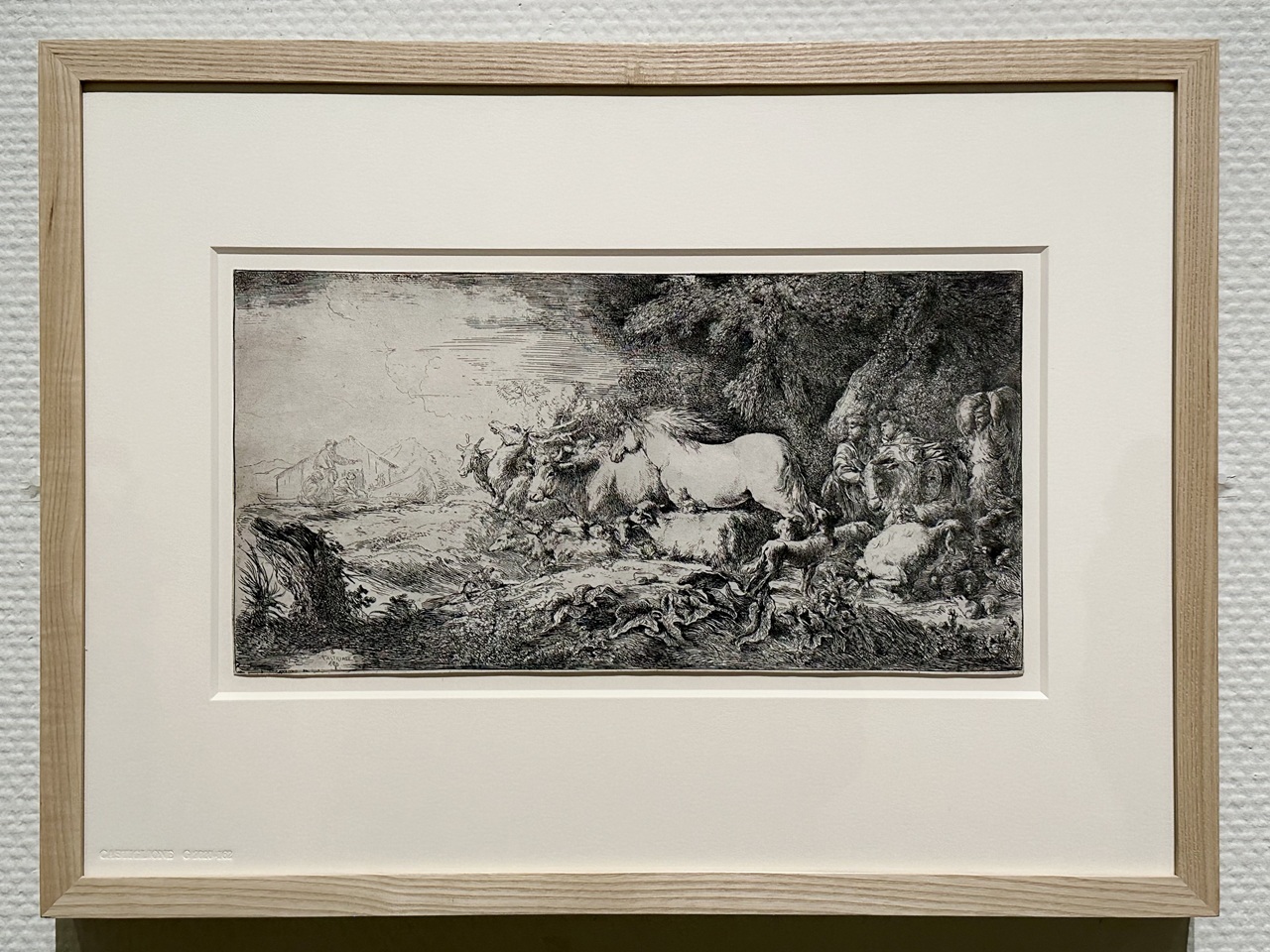
Rembrandt's prints were highly popular even during the time they were created. However, perhaps because his technique was so advanced, his followers in the 17th century were limited to a few, such as his pupil Ferdinand Bol and the Italian Giovanni Benedetto Castiglione.
Giovanni Benedetto Castiglione, also known as Il Grechetto, "Noah and the Animals Entering the Ark," 1650-55, National Museum of Western Art, Japan.
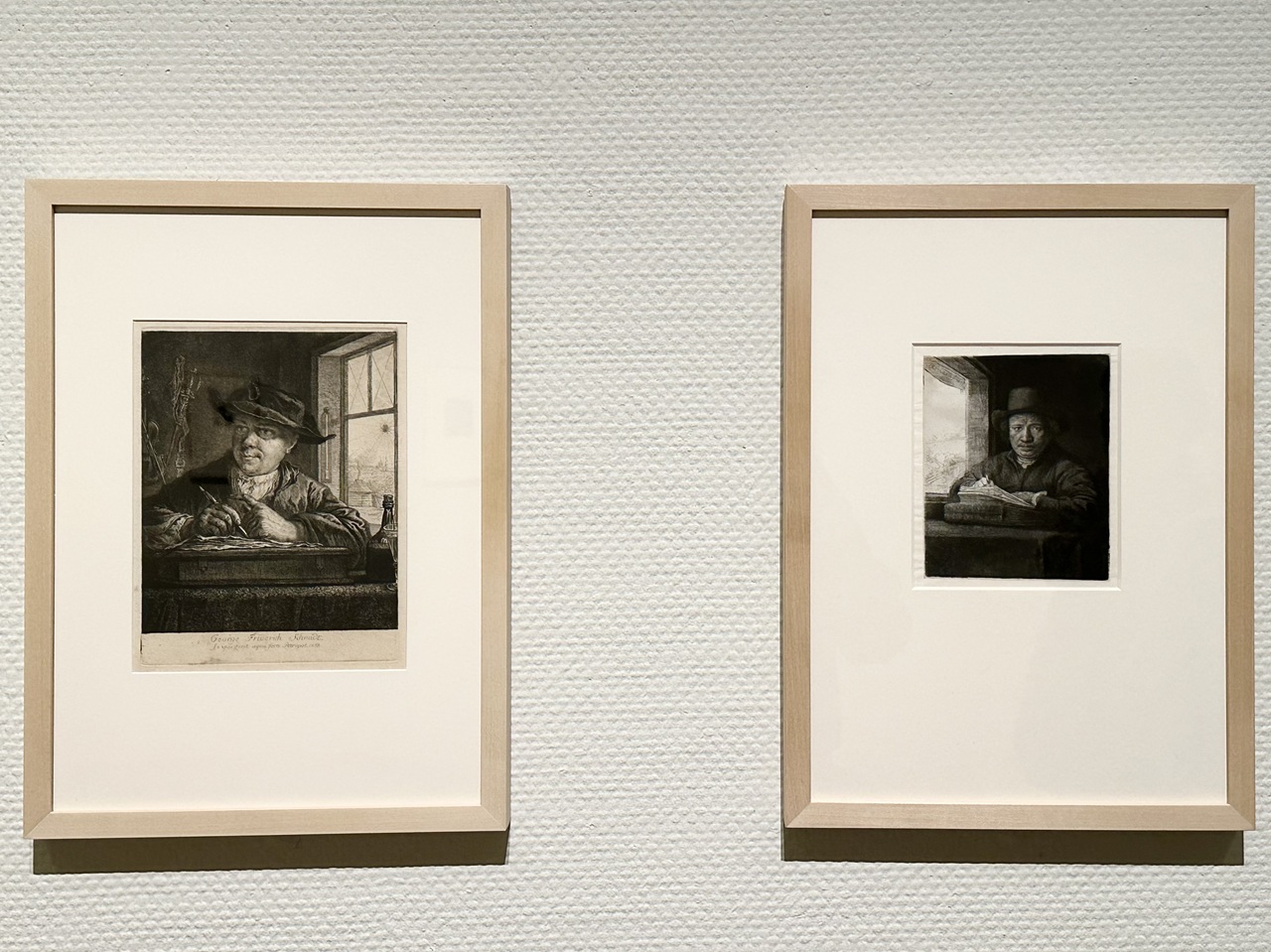
In the following 18th century, interest in Rembrandt's work grew, particularly among German artists. Georg Friedrich Schmidt's "Self-Portrait with Spider at Window" (1758), by a Rembrandt admirer, depicts the artist diligently working by a bright window, clearly drawing inspiration from Rembrandt's "Self-Portrait of an Etching Artist at a Window" (1648), which is placed alongside it. However, Schmidt also incorporates his own unique touches, such as a violin and a sword suggesting his military experience, and the spiderweb, a motif associated with fate and the passage of time, adds a melancholic lyricism to the scene.
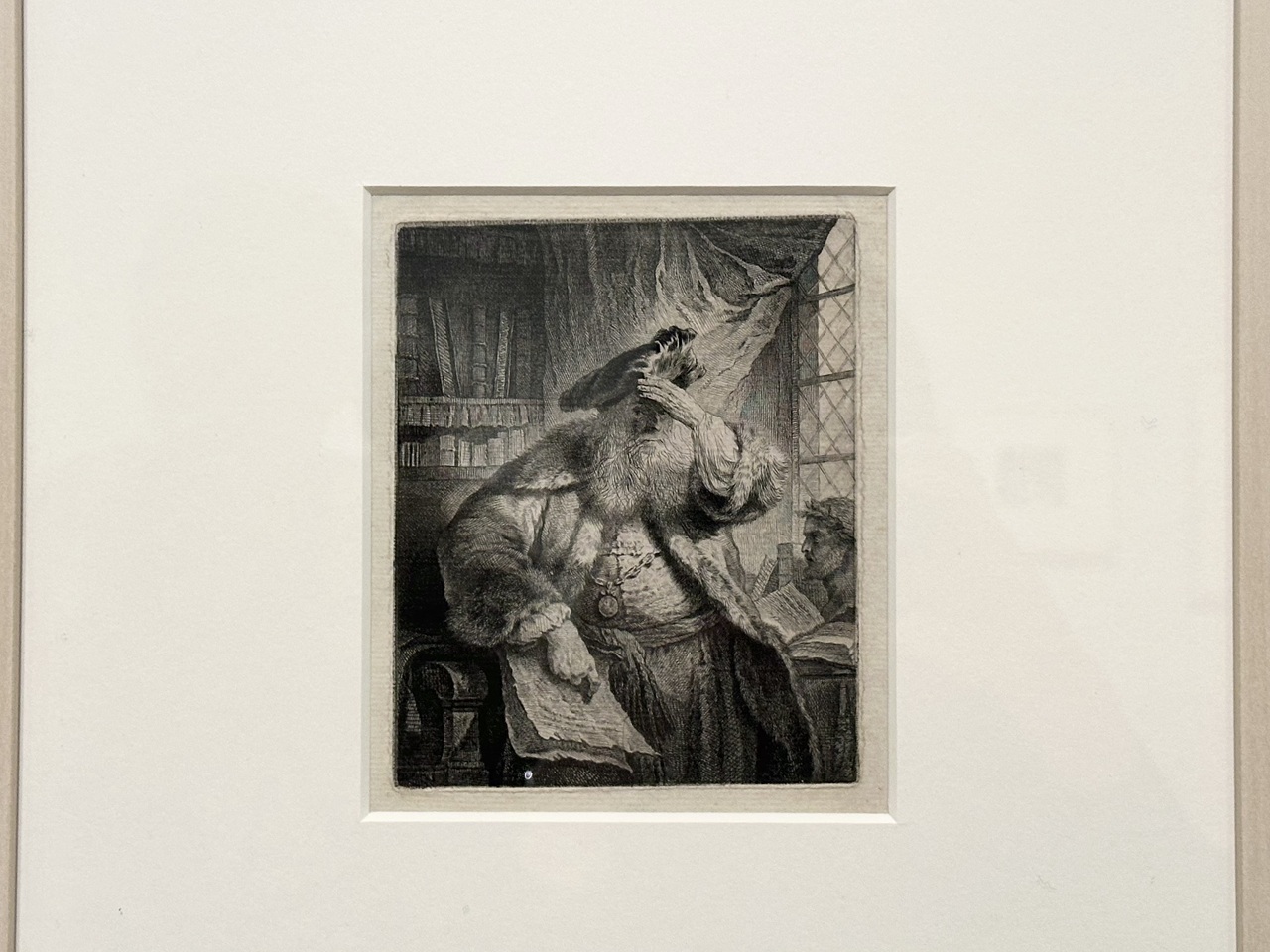
From left: Georg Friedrich Schmidt, "Self-Portrait with Spider at Window," 1758, Rembrandt House Museum; Rembrandt Harmenszoon van Rijn, "Self-Portrait Making an Etching at a Window," 1648, Rembrandt House Museum.Rembrandt Harmenszoon van Rijn, and based on Georg Friedrich Schmidt and Blaise Nicolas Le Sueur, "Old Man with Hand to Forehead," circa 1639 and 1770, Rembrandt House Museum.
The 18th century saw a proliferation of imitations, and there were also instances of artists completing unfinished works by Rembrandt, such as Schmidt's "Old Man with Hand to Forehead" (c. 1639/1770). Furthermore, demand became so intense that the original plates rapidly wore out, leading to a proliferation of reproductions and imitations on the market.
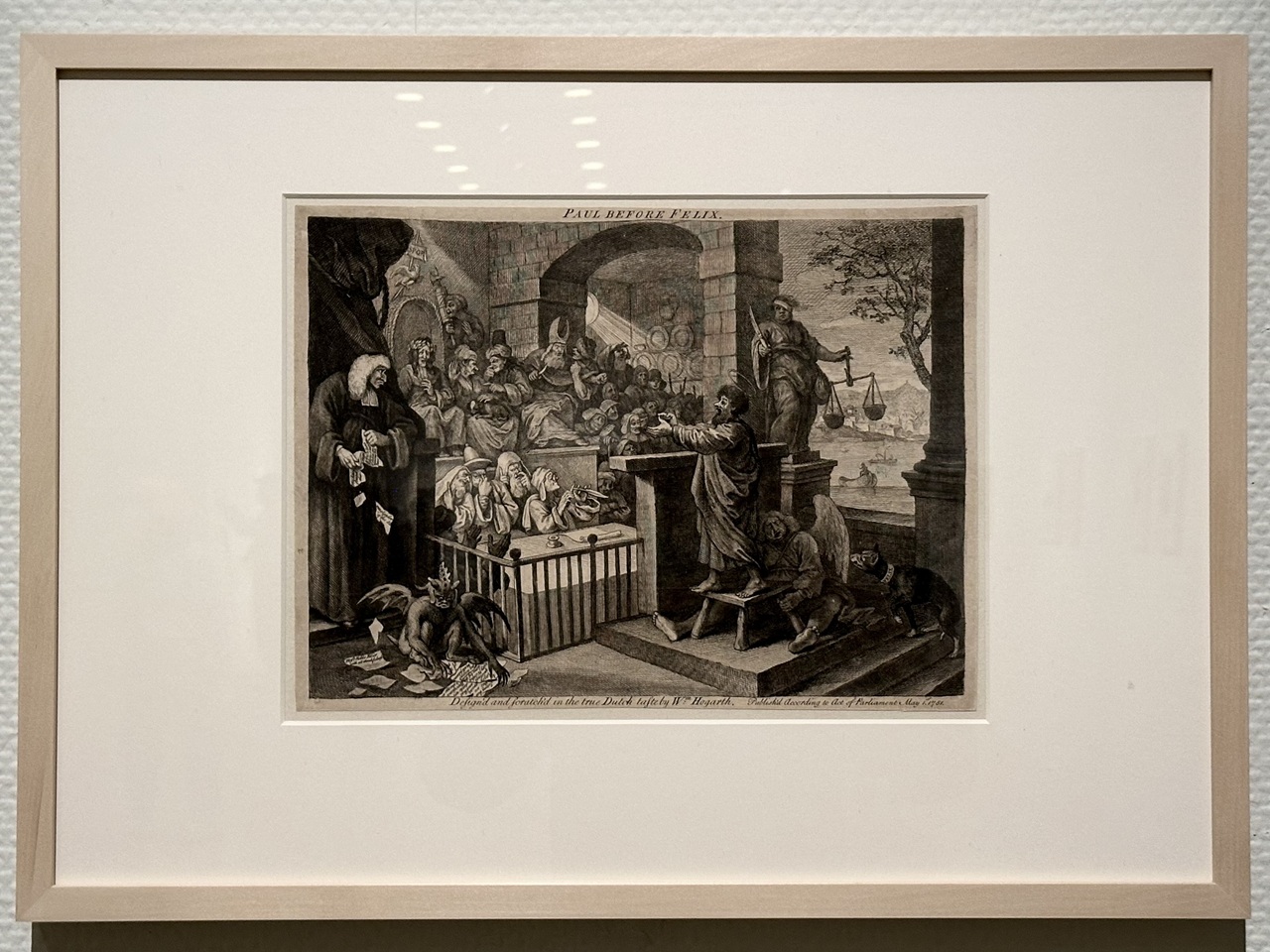
William Hogarth, "Caricature of Paul Before Felix," 1751, Rembrandt House Museum.
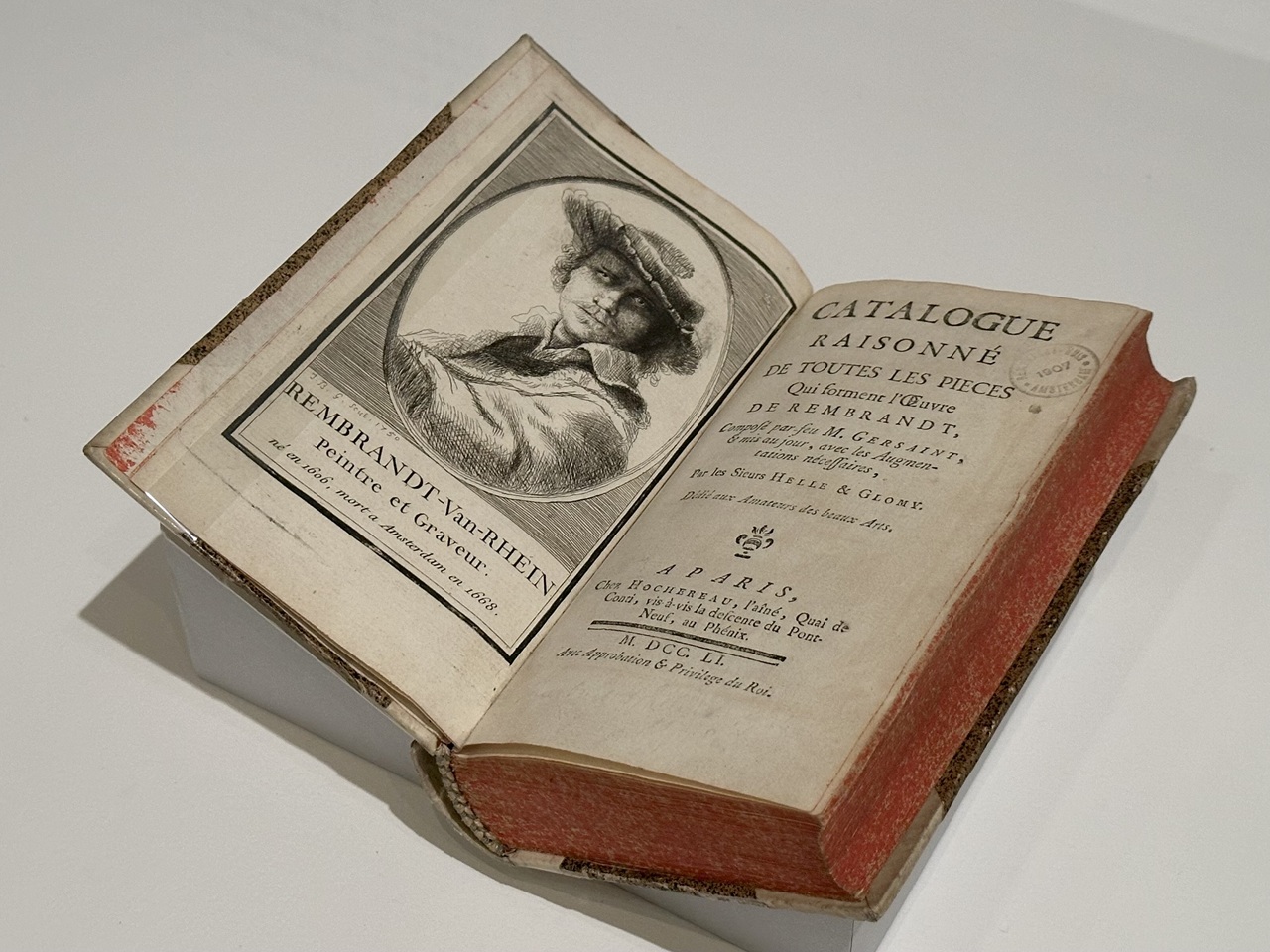
In his caricature "Pablo Before Felix" (1751), the British satirist William Hogarth ridiculed Rembrandt's style, which at times was blatantly naturalistic. His warning against the large sums of money being spent on Rembrandt's works, often overlooked by his own country's artists, illustrates the enthusiasm of the time. Also during this period, the compilation of the "Catalogue Raisonné" (complete catalog of Rembrandt's works) began, laying the solid foundation for Rembrandt studies that continue to this day.
Edmé-François Gersin, *Catalogue Raisonné of the Complete Works of Rembrandt*, 1751, Rembrandt House Museum.
Chapter 3, "An Impact That Transcends a Century—The 19th and 20th Centuries," begins with the Spanish master Francisco José de Goya y Lucientes. Goya is said to have remarked in his later years that "I had no teachers other than nature, Velázquez, and Rembrandt," but this statement refers not to Rembrandt as an oil painter, but to Rembrandt as a printmaker. Goya diligently studied Rembrandt's prints, which were rare in Spain at the time, through the collections of acquaintances and other sources, and incorporated them into his own work.
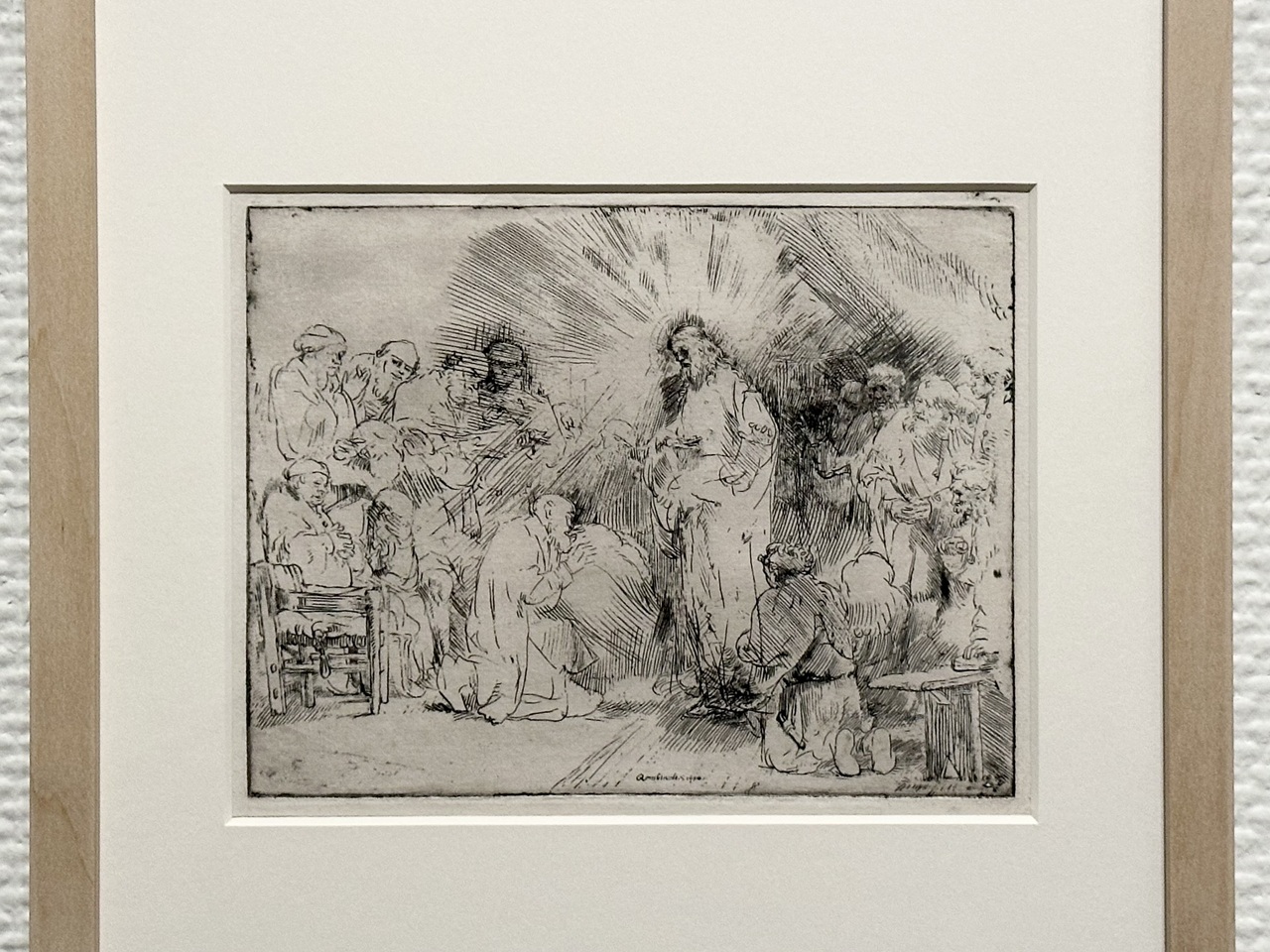
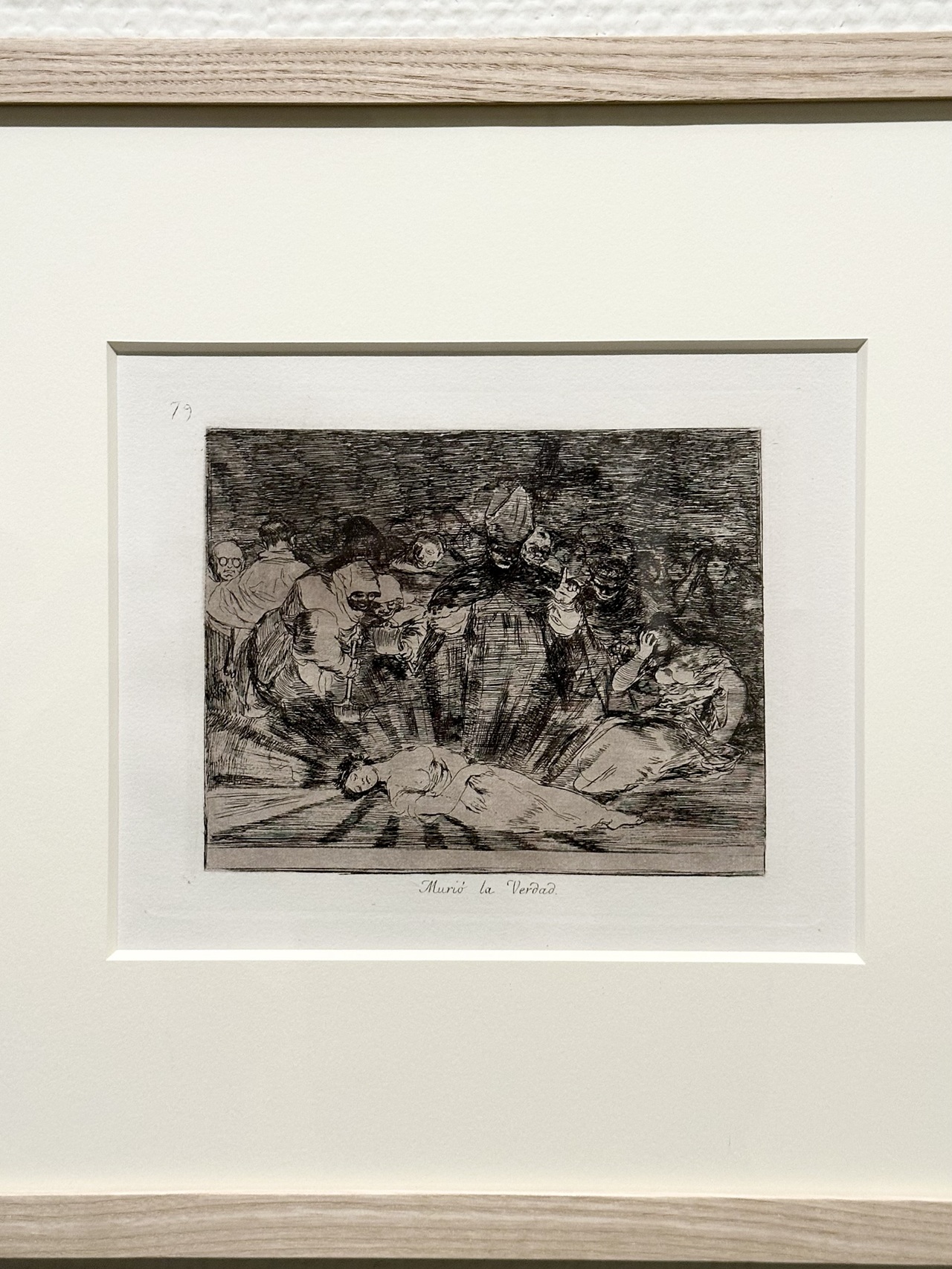
Rembrandt Harmenszoon van Rijn, "Christ Apparition to the Apostles," 1656, Rembrandt House Museum.Francisco José de Goya y Lucientes, "The Disasters of War 79: Truth is Dead," circa 1810-20, National Museum of Western Art.
"The Disasters of War 79: Truth is Dead" (c. 1810-20) is one of a series of prints created by Goya, who experienced the Napoleonic Wars and domestic turmoil. While denouncing the ugliness and cruelty of humanity, he also incorporated radical political criticism despite his position as court painter. The print depicts the death of "Truth," represented by a female personification, as an allegory for the death of "constitutional freedom" with the restoration of the monarchy. The circular arrangement of the group figures and the depiction of the rays of light emanating from Truth show a connection to Rembrandt's "Christ Apparition to the Apostles" (1656), which is placed next to it.
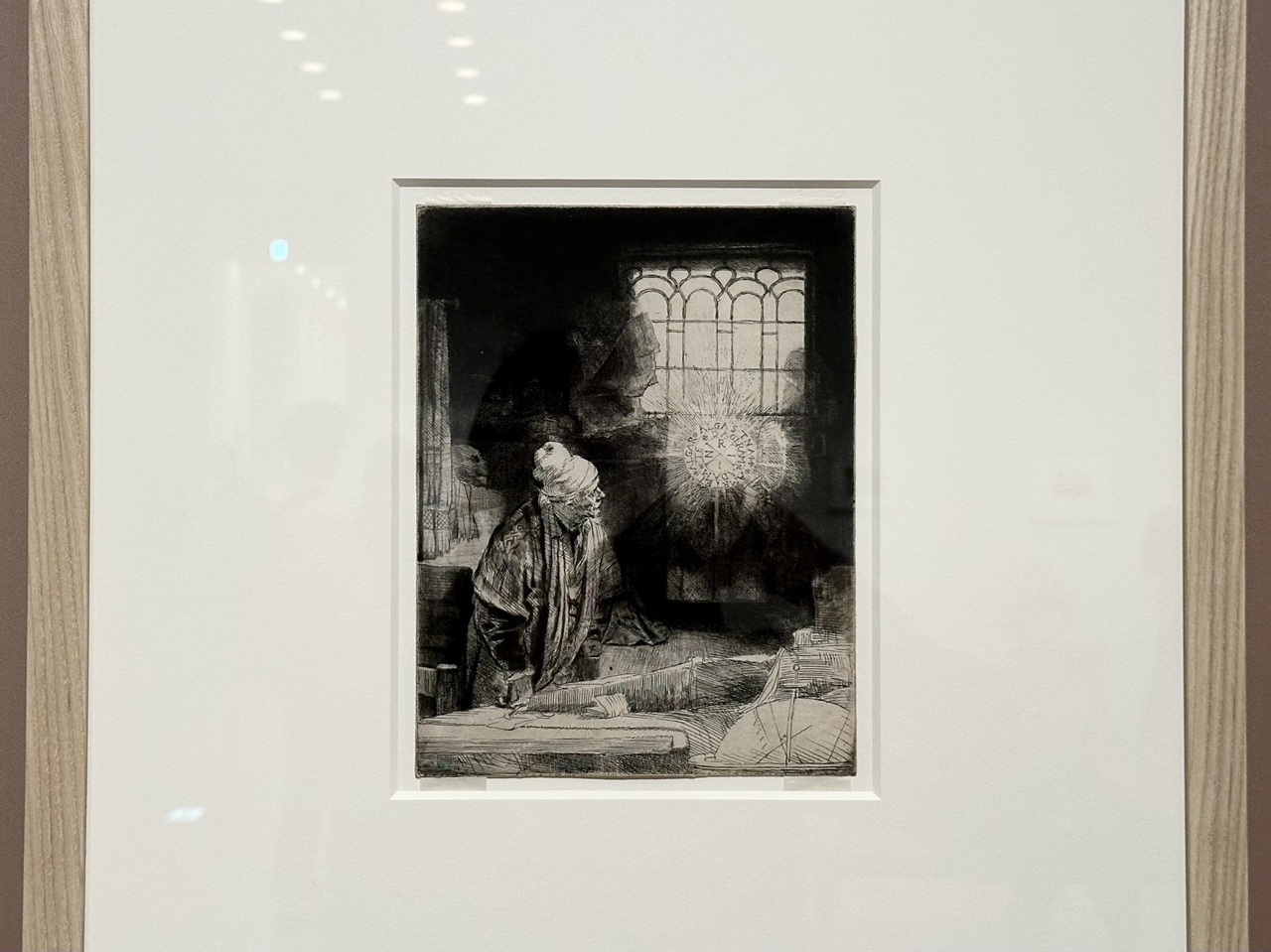
Meanwhile, in France during the first half of the 19th century, etching was a technique that had been largely forgotten, but amidst a trend that emphasized the artist's sensibility and originality, it was re-evaluated as a printmaking technique suitable for the modern era. In this context, one of Rembrandt's works that attracted particular attention was "The Scholar in His Study (Faust)" (c. 1652).
Rembrandt Harmenszoon van Rijn, "The Scholar in His Study (Faust)," circa 1652, National Museum of Western Art, Japan.
This masterpiece is beautiful for the contrast between the dark areas with densely packed lines and the bright areas that make the most of the expressive power of the lines themselves. The painting depicts an elderly man, seemingly a scholar, gazing at a mysterious apparition appearing at a window in a study adorned with skulls and globes. The meaning of the work remains unclear and has given rise to various interpretations, but by the 18th century it came to be regarded as a depiction of the alchemist Faust, and is known to have been the inspiration for Goethe's famous play "Faust," written by a fervent admirer of Rembrandt.
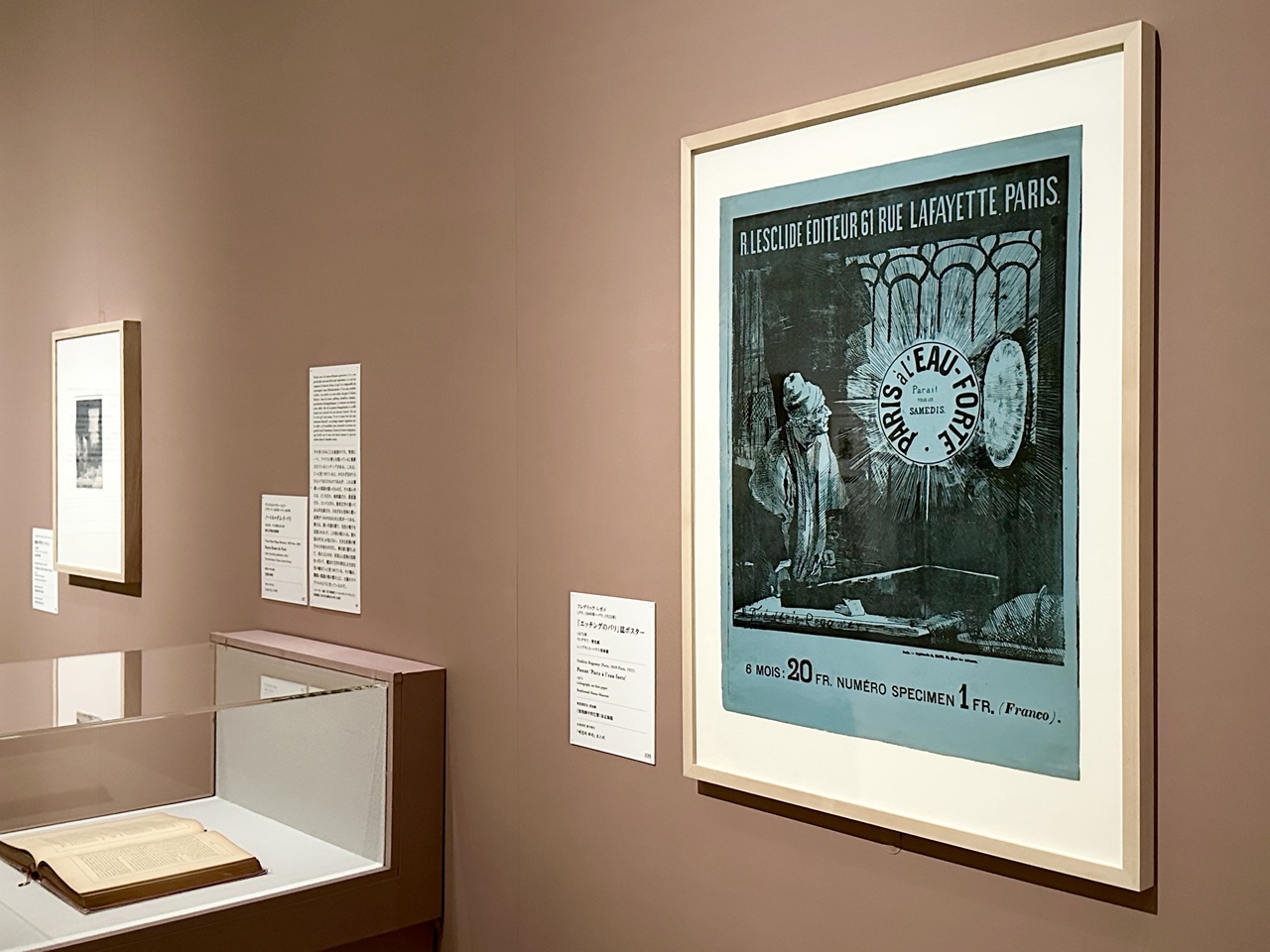
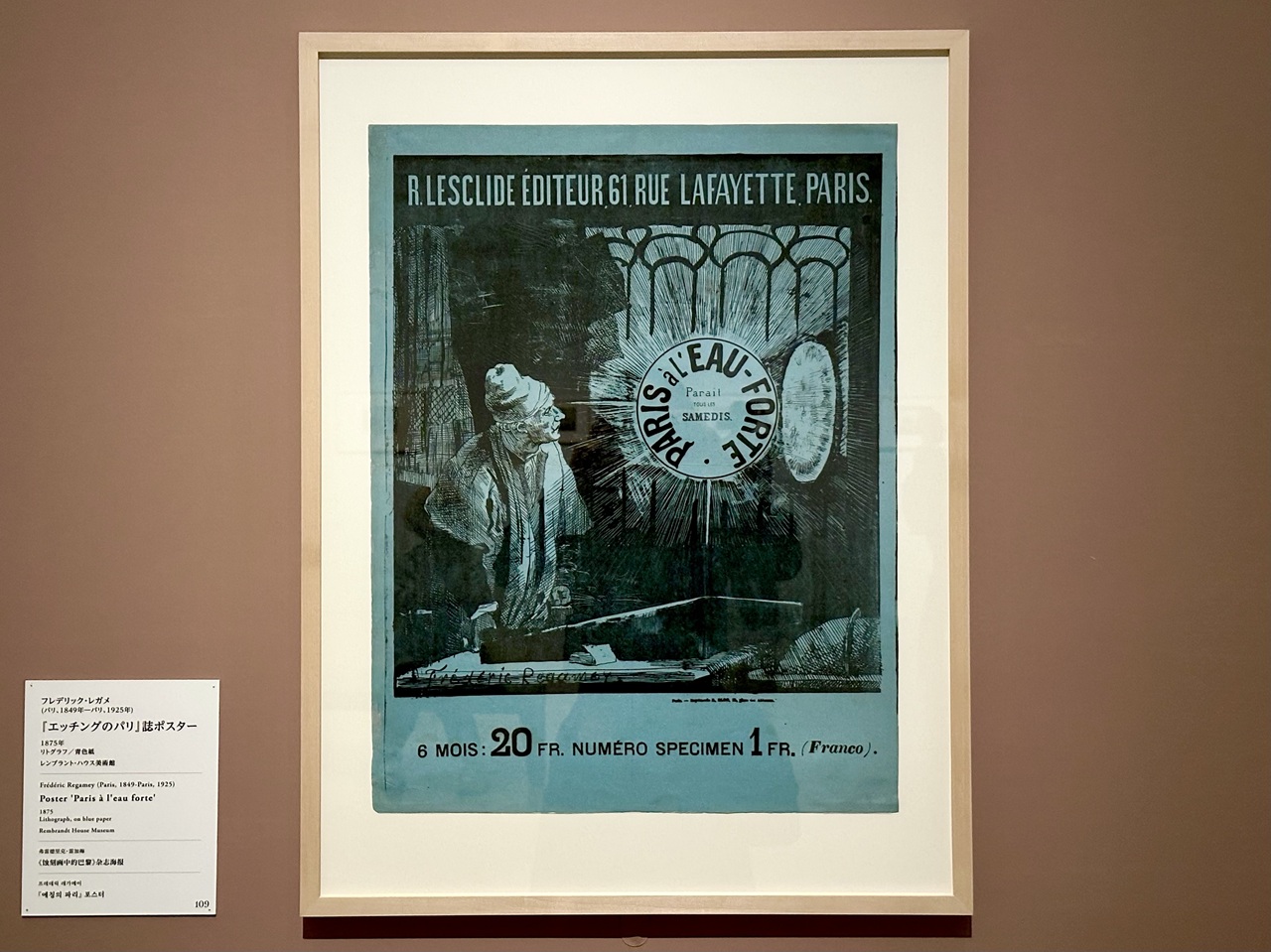
Furthermore, the mystical atmosphere emanating from the image resonated with the sensibilities of people in the 19th century, leading the literary giant Victor Hugo to incorporate its imagery into his masterpiece, "The Hunchback of Notre Dame," and also using it for posters in the magazine "Etching in Paris," published to promote etching. This work can be seen as an example symbolizing a kind of Rembrandt adoration phenomenon linked to the etching revival in Paris at the time.
Frédéric Régamet, "Etchings for the magazine 'Paris'," 1875, Rembrandt House Museum.
It was the Society of Etching Engravers, founded in Paris in 1862, that praised Rembrandt's innovative use of light and shadow—mystical twilight, flickering light, and pitch-black darkness—as possibilities in etching. In the preface to a collection of his prints, they commented, "(These were) necessary to depict all the fantasies that his dreamy, powerful, and bizarre imagination produced. No matter how rich his palette may have been, it could not have produced such a diverse range of effects."
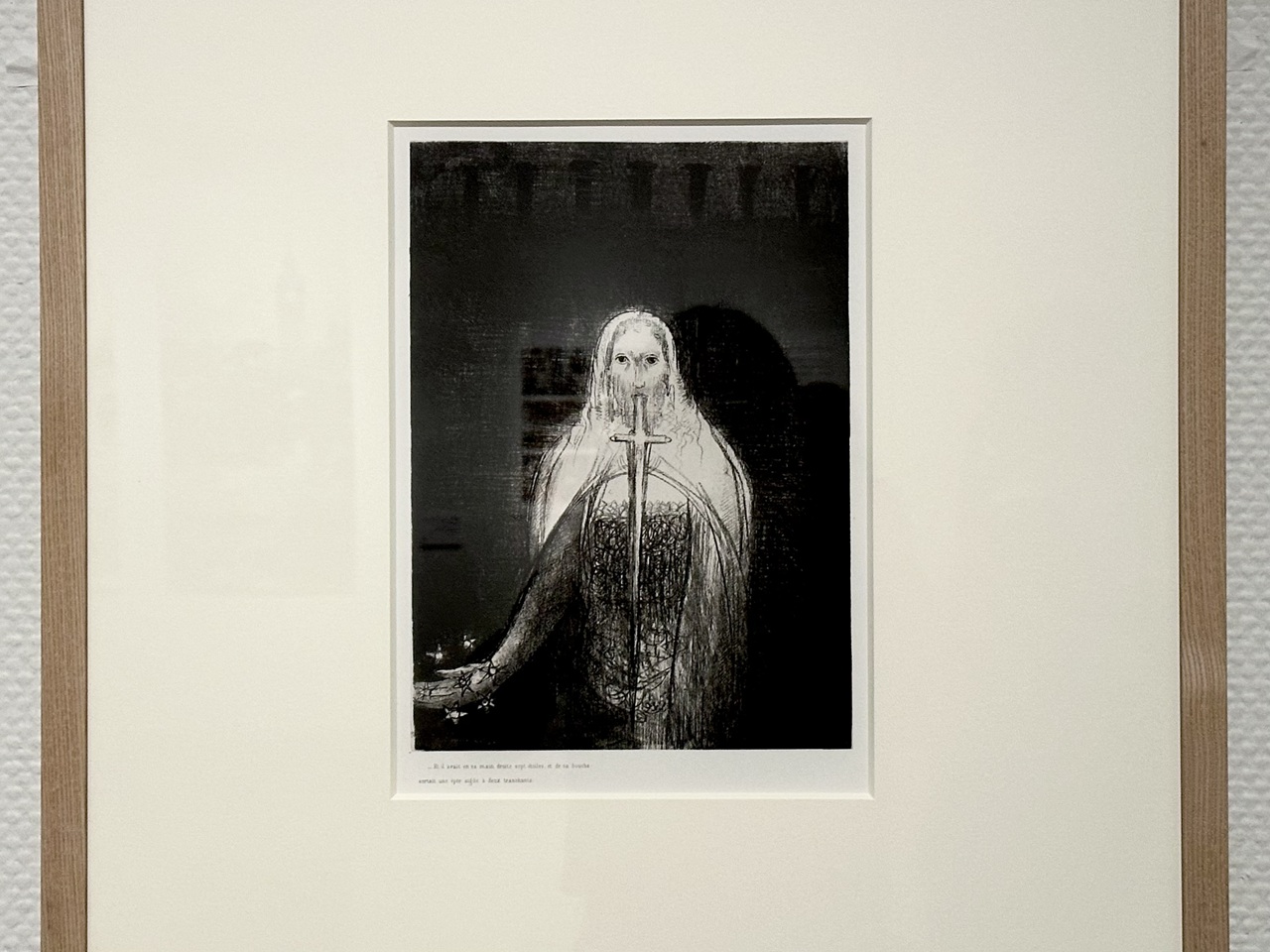
Odilon Redon, a leading painter of French Symbolism, was also one of those who found in Rembrandt's delicate gradations and deep chiaroscuro a formative language that evoked a mystical spirituality. His admiration was so great that he wrote in his notes that he considered it essential that "all the mystery of form depends on him (Rembrandt). " The deep darkness enveloping Christ in "Revelation: With seven stars in his right hand and a double-edged sword coming from his mouth" (1899) is reminiscent of Rembrandt.
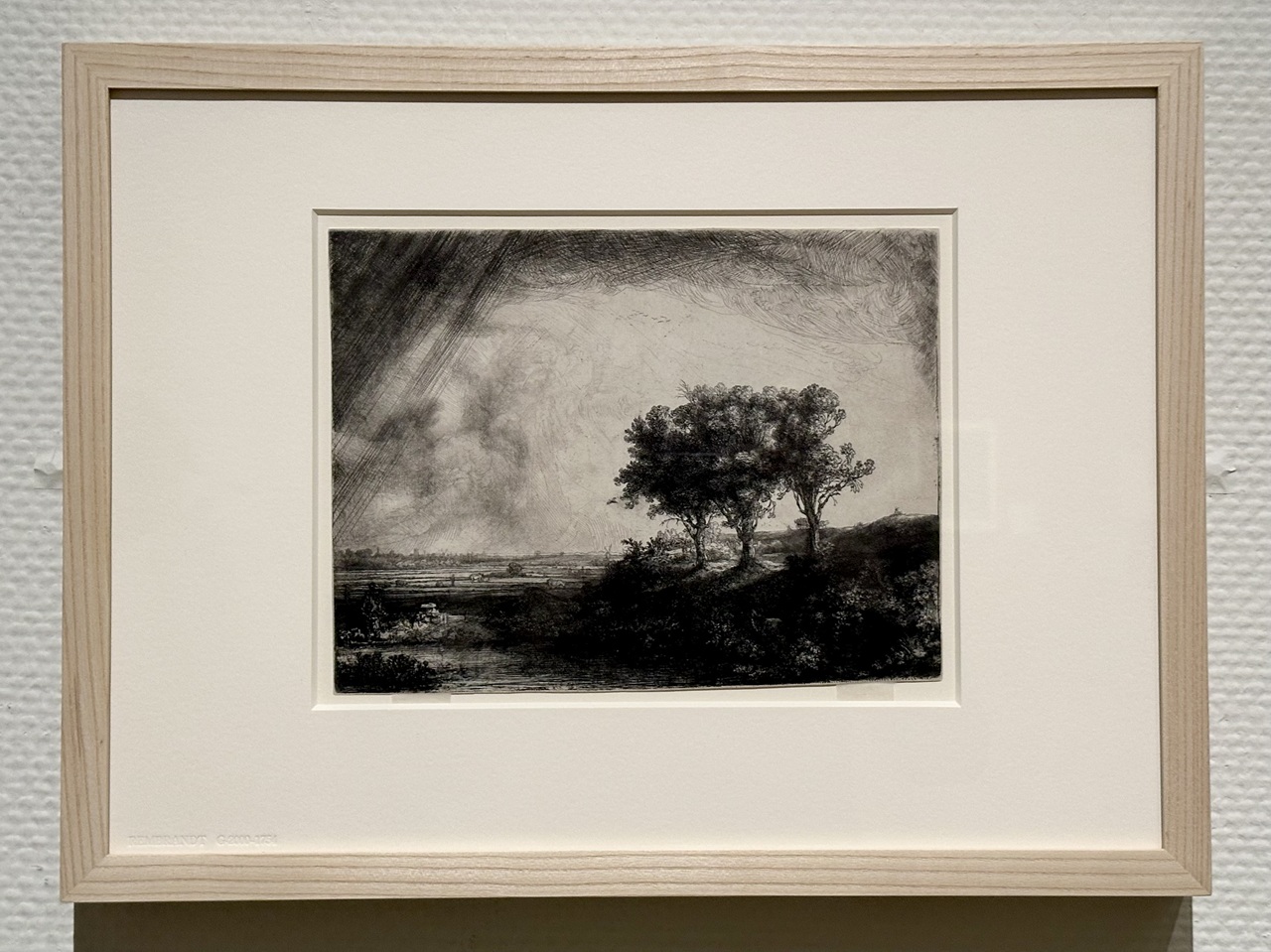
Odilon Redon, "The Book of Revelation: With Seven Stars in His Right Hand and a Double-Edged Sword Out of His Mouth," 1899, National Museum of Western Art.Rembrandt Harmenszoon van Rijn, "Three Trees," 1643, National Museum of Western Art, Japan.
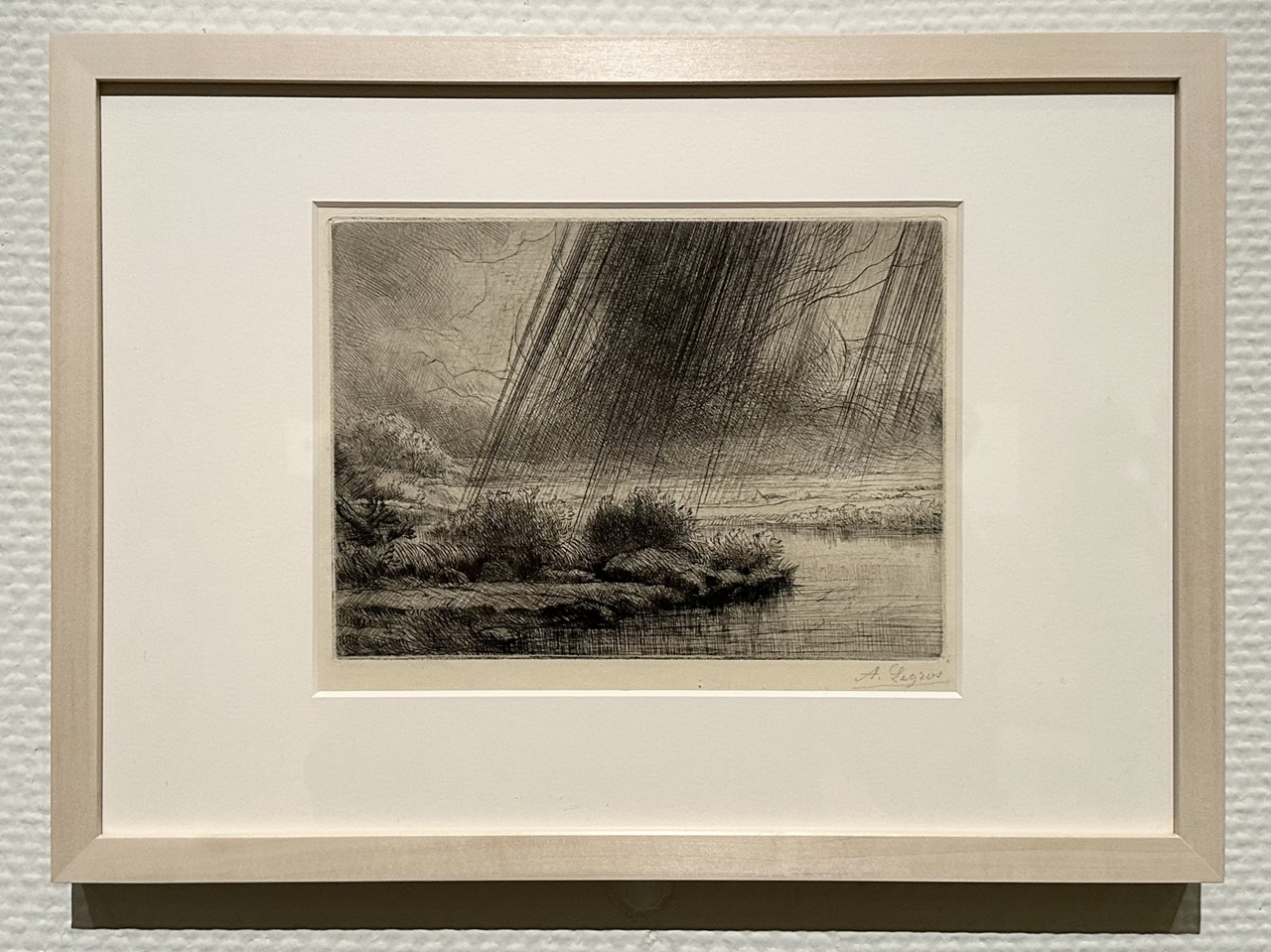
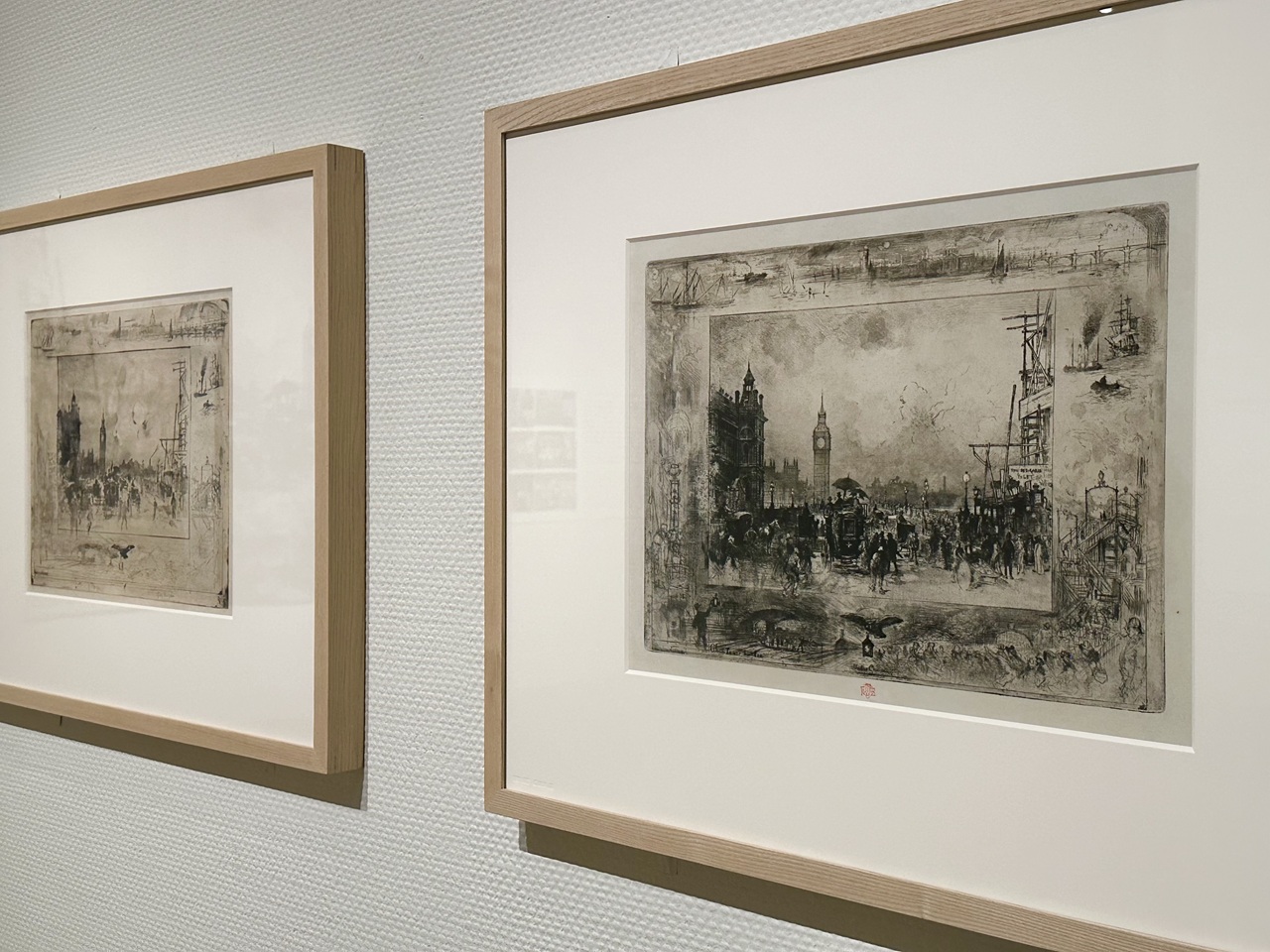
Rembrandt's masterpiece of landscape etching , "Three Trees" (1643), was also widely known in 19th-century France. Depicting a Dutch countryside scene facing an approaching storm, the painting features a dramatic effect created by the sharp, diagonal lines of heavy rain, the swirling black clouds rendered through the gradation of intersecting lines, and the contrast of light behind the three trees. Many artists were captivated by this style, and the exhibition showcases its influence through works by Barbizon School artists such as Charles-François Daubigny, Alphonse Legros, and Félix Bracquemond.
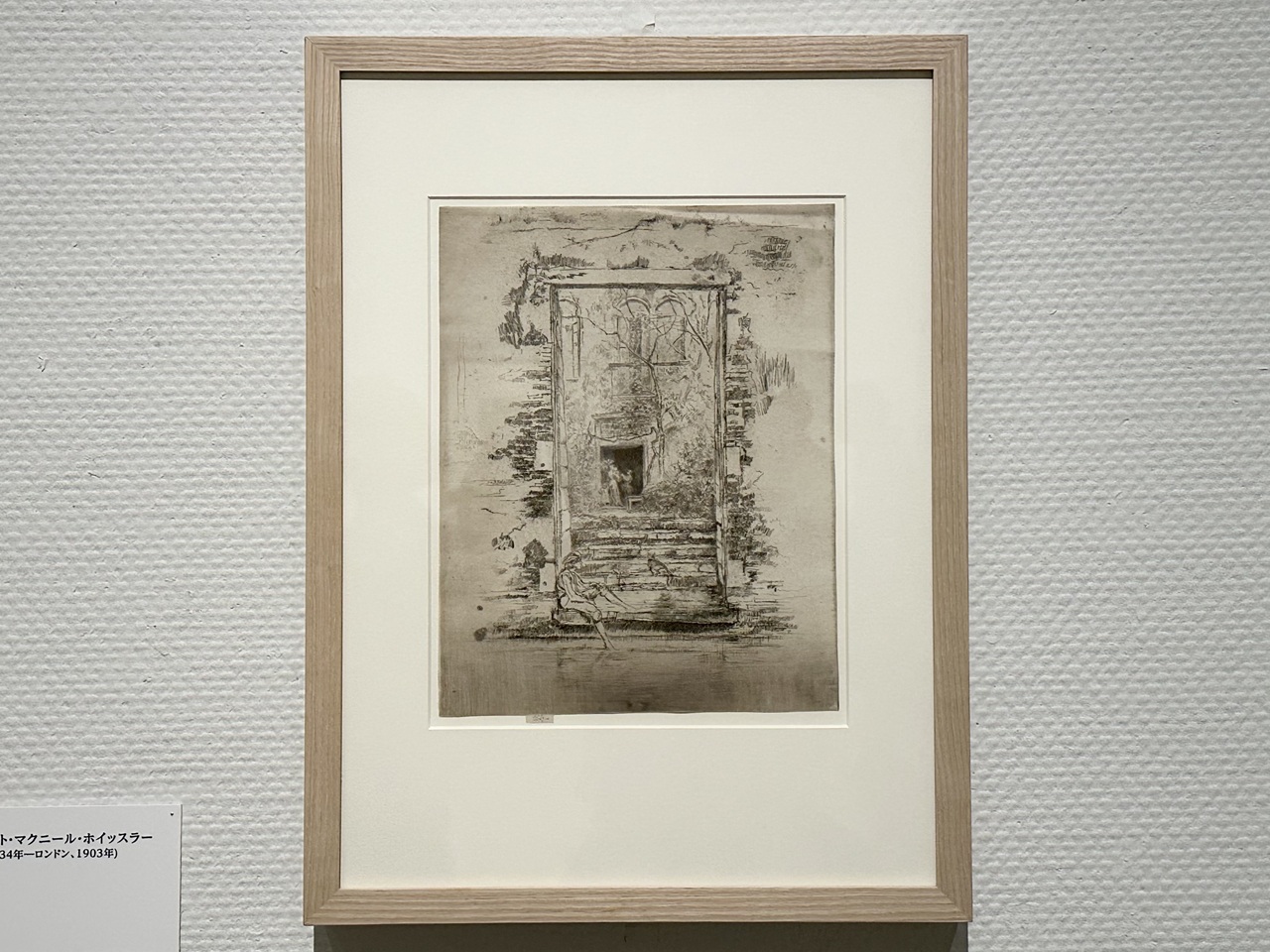
Alphonse Legros, "River Scene with a Storm," 1857, Rembrandt House Museum.Both are Félix Buo's "Westminster Bridge or the Clock Tower of Westminster," circa 1884, National Museum of Western Art.James Abbott McNeill Whistler, *The Garden*, 1886, National Museum of Western Art.
Even in the early 20th century, Rembrandt's popularity did not wane, and Henri Matisse and Pablo Picasso, who are considered the two greatest figures of 20th-century art, paid homage to Rembrandt in their own works.
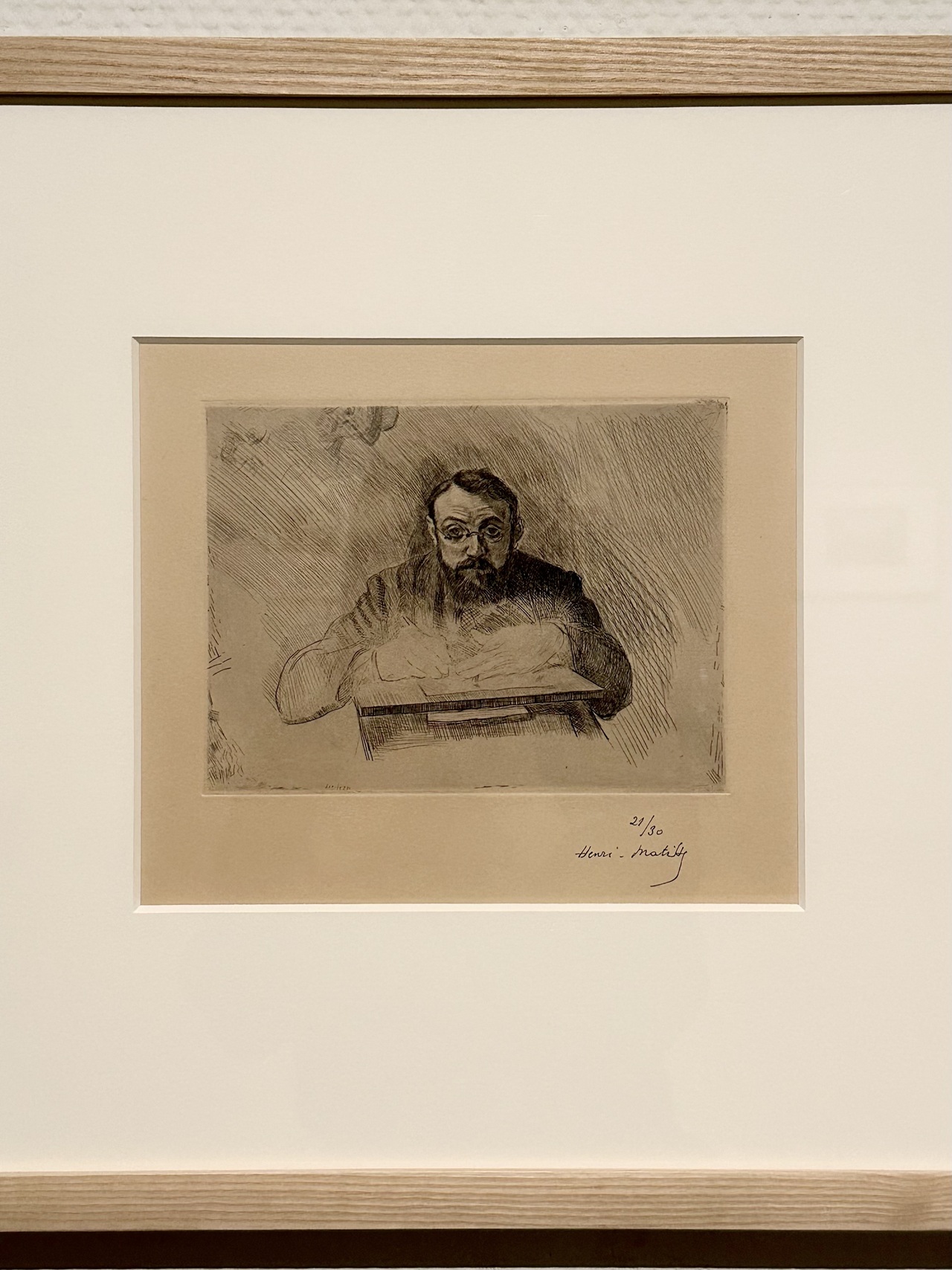
Henri Matisse was the founder of the avant-garde art movement "Fauvism" and is known as an outstanding colorist, but in printmaking, with few exceptions, he was devoted to expression in black and white. The exhibited work, "Henri Matisse Carving a Print" (1900-03), is an example that marks the starting point of the artist's printmaking.
The theme and composition of his work, which features a large, frontal view of his own upper body, is thought to have been inspired by Rembrandt's "Self-Portrait of Etching at a Window," similar to the 18th-century work of Schmidt mentioned earlier. For the young Matisse, using Rembrandt's self-portraits, which had gained popularity in Paris from the late 19th century onward, as a model when attempting printmaking for the first time, was likely a natural choice.
Henri Matisse, "Henri Matisse Engraving a Print," 1900-03, National Museum of Western Art, Japan.
In Picasso's " Rembrandt with Palette" (1934), part of the "Series for Vollard," the public image of Rembrandt, repeatedly depicted in his etching self-portraits, is caricatured, complete with a mustache and a feathered hat. This work came about when Picasso, somewhat desperately, drew lines on a copper plate that was no longer usable, and Rembrandt's figure accidentally emerged. It was also an experimental attempt to see if he could reproduce the deep blacks of Rembrandt's work, and the borrowing of images from multiple prints suggests that Picasso had also studied Rembrandt deeply. Photography was not permitted, so please see the actual work in person.
Asuka Nakata, curator at the National Museum of Western Art who was in charge of this exhibition, said, "In Japan, there have been many exhibitions on the theme of Rembrandt's printmaking. However, this is the first time that we have planned an exhibition that broadens its scope to include his influence. At the venue, I hope that visitors will not only enjoy the charm of Rembrandt's prints but also be surprised by the breadth and richness of their temporal and geographical scope."
Summary of "Rembrandt the Printmaker: Challenge, Legacy, and Impact"
venue
National Museum of Western Art, Special Exhibition Room
Exhibition period
July 7, 2026 (Tuesday) – September 23, 2026 (Wednesday, holiday)
*Some exhibited works will be changed during the exhibition period.
Opening hours
9:30 AM – 5:30 PM (until 8:00 PM on Fridays and Saturdays)
*Entry is permitted until 30 minutes before closing time.
Closed days
Monday
*However, the museum will be open on August 10th (Monday) and September 21st (Monday/National Holiday).
Admission fee (tax included)
General admission: 2,200 yen, University students: 1,300 yen, High school students: 1,000 yen
*On the day of your visit, you can also view the permanent exhibition.
*For further details, please check the exhibition's official website.
Organizer
National Museum of Western Art, Rembrandt House Museum, Asahi Shimbun Company
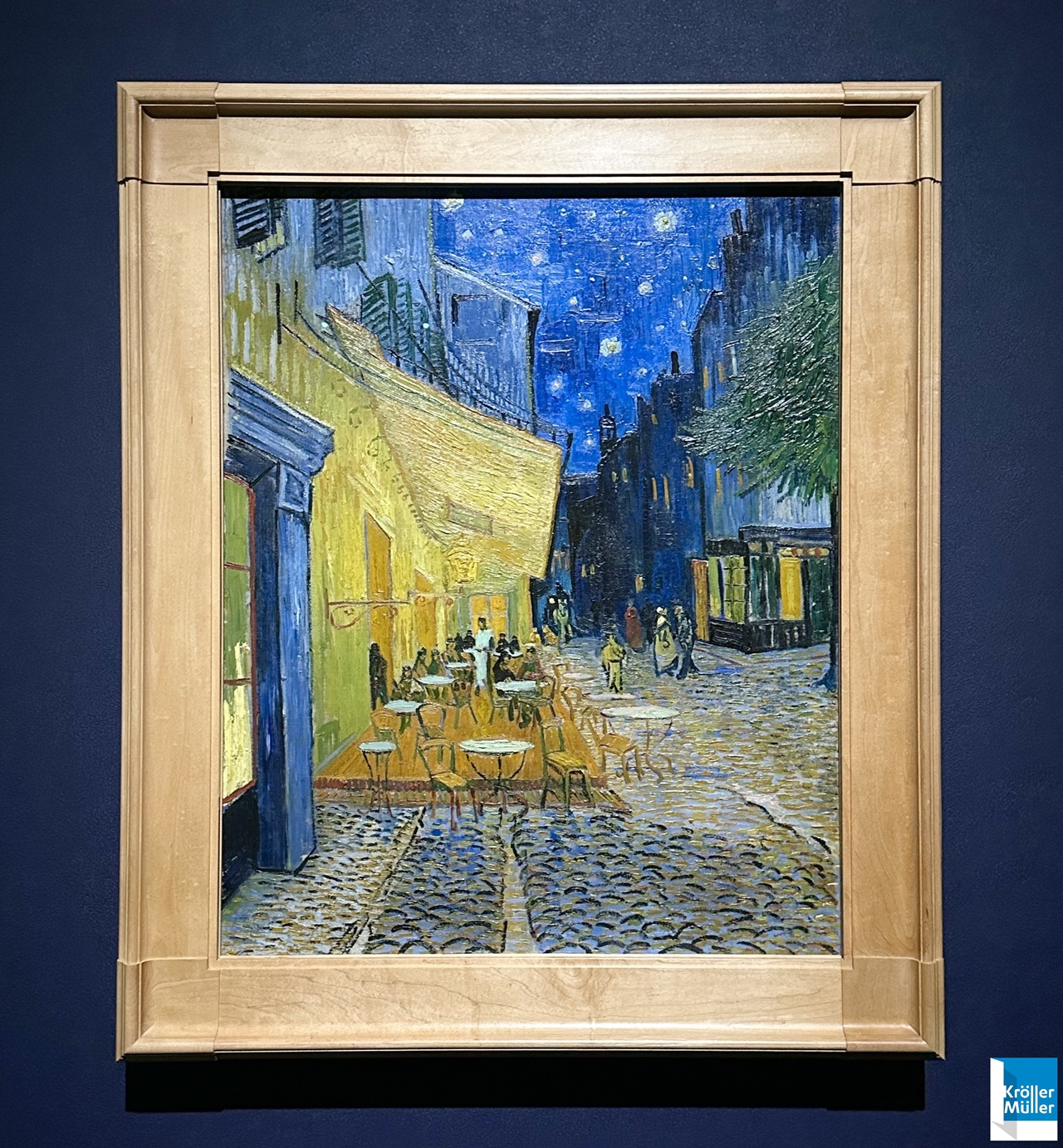
The "Great Van Gogh Exhibition:Café Terrace at Night," which has attracted considerable attention due to the first visit to Japan in approximately 20 years of Vincent van Gogh's (1853-1890) masterpiece "Café Terrace at Night (Place de la Forum)," is currently being held at the Ueno Royal Museum. The exhibition runs until August 12, 2026 (Wednesday).
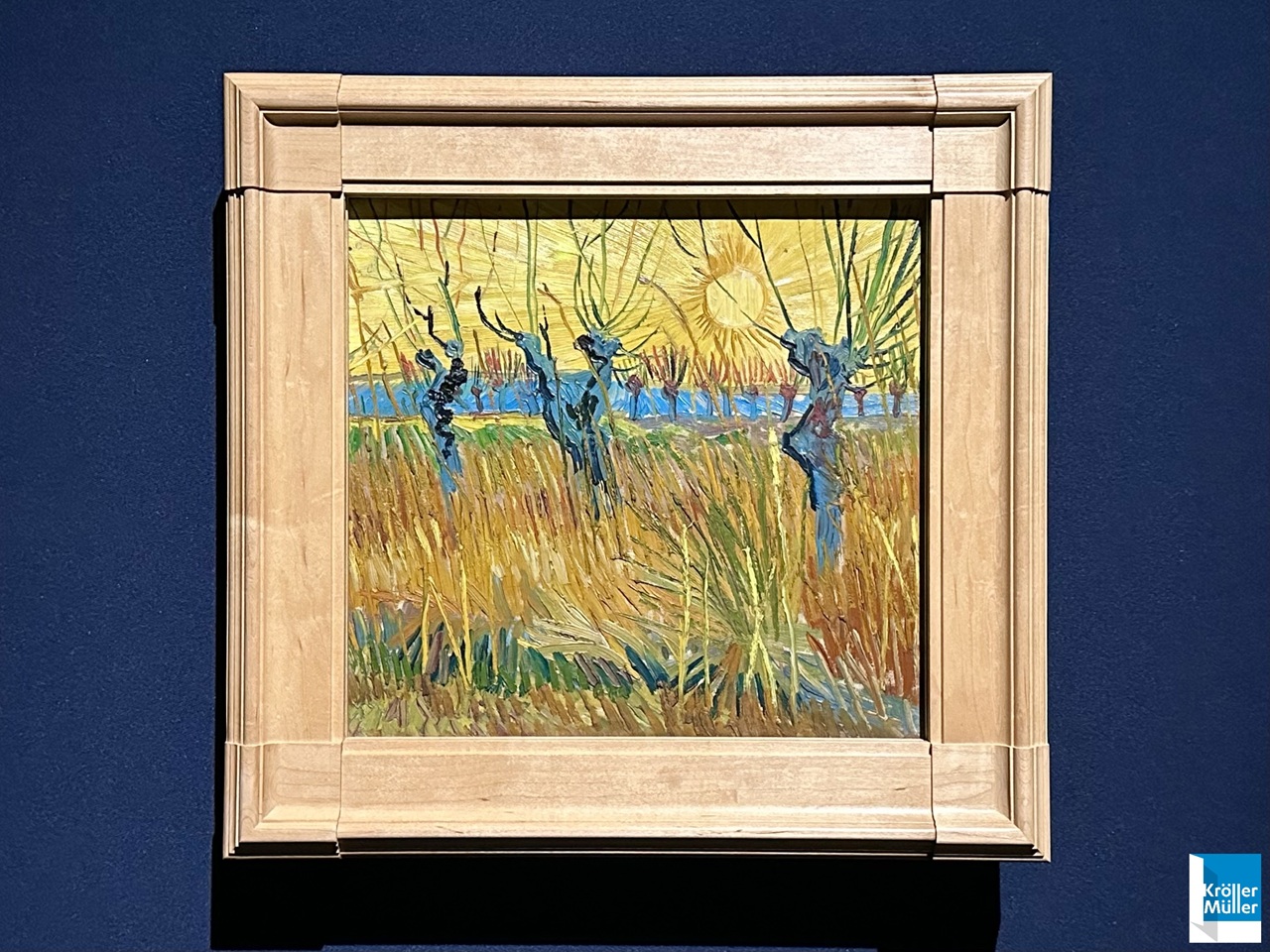
The Kröller-Müller Museum in the Netherlands boasts one of the world's leading collections of Van Gogh's works. This exhibition, comprised solely of his finest pieces, is the first of two phases of the "Great Van Gogh Exhibition," focusing on the first half of his short artistic career, which spanned only about 10 years.
The exhibition features approximately 60 works by Van Gogh, including oil paintings and drawings, alongside works by other leading contemporary painters such as Monet and Renoir . The five-chapter exhibition traces the trajectory of Van Gogh's life, from his early time in the Netherlands, his awakening to vibrant colors in Paris, his subsequent move to Arles in southern France in search of even greater light, and the culmination of his masterpiece, "Café Terrace at Night (Place de la Forum)."
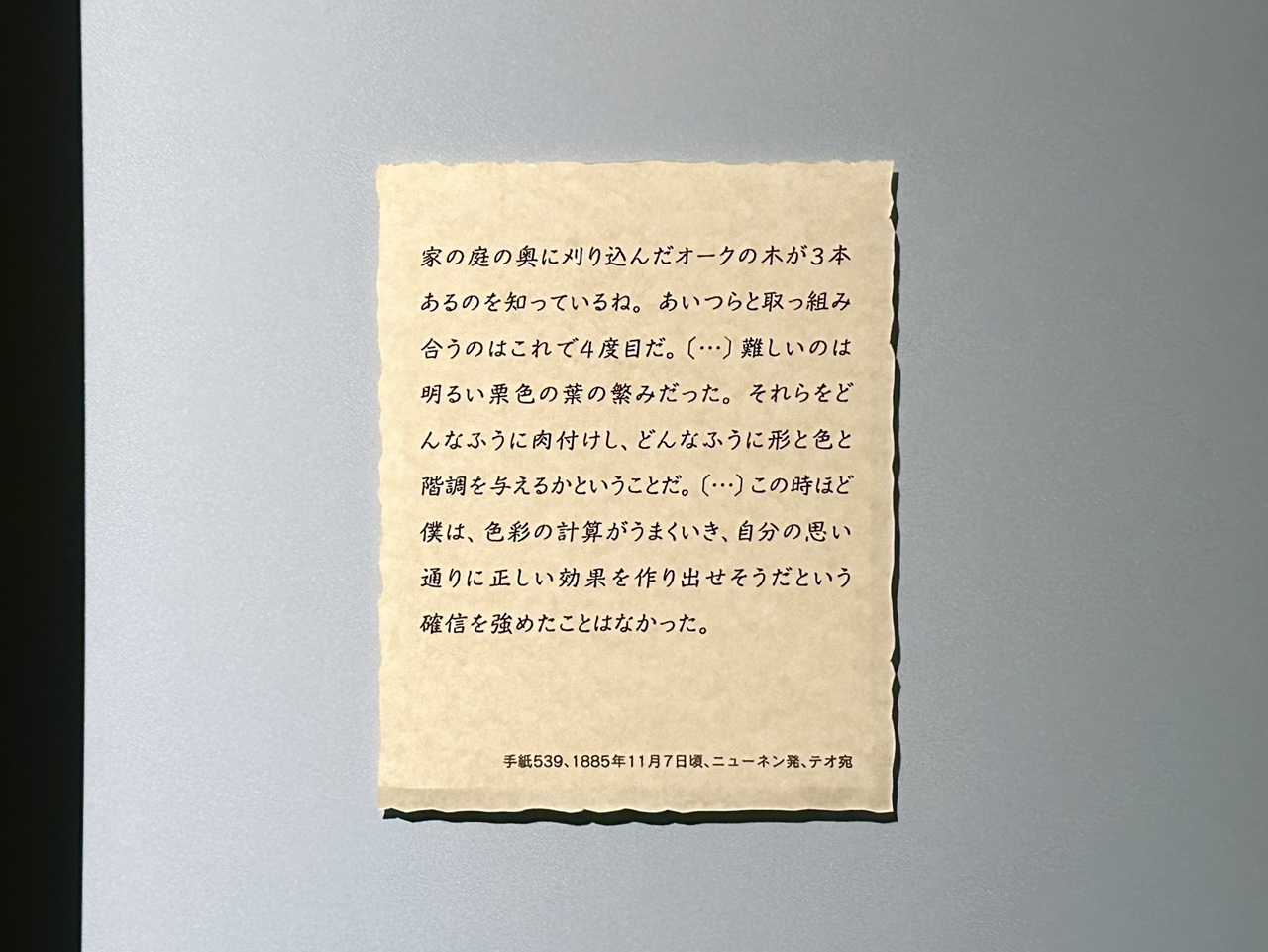
Another highlight is the numerous quotes from letters she wrote to her brother Theo and close acquaintances, which are displayed on the walls and explanatory panels of the venue, serving as clues to understanding her feelings.
Exhibition view of "The Great Van Gogh Exhibition: Cafe Terrace at Night," Ueno Royal Museum, 2026.
Chapter 1: "The Barbizon School and the Hague School"
In 1869, at the age of 16, Van Gogh began working at the Goupil Gallery, which was owned by his uncle. However, as his interest in religious issues deepened, he lost interest in the art trade and was dismissed in 1876. After that, he aspired to become a pastor, and through his interactions with farmers and laborers living in harsh conditions, he came to believe that "truth" and "sincerity" could be found in their lives.
When he began his career as a painter in earnest after 1880, the first things that caught his interest were the French "Barbizon School" and the Dutch "Hague School," which are introduced in Chapter 1.
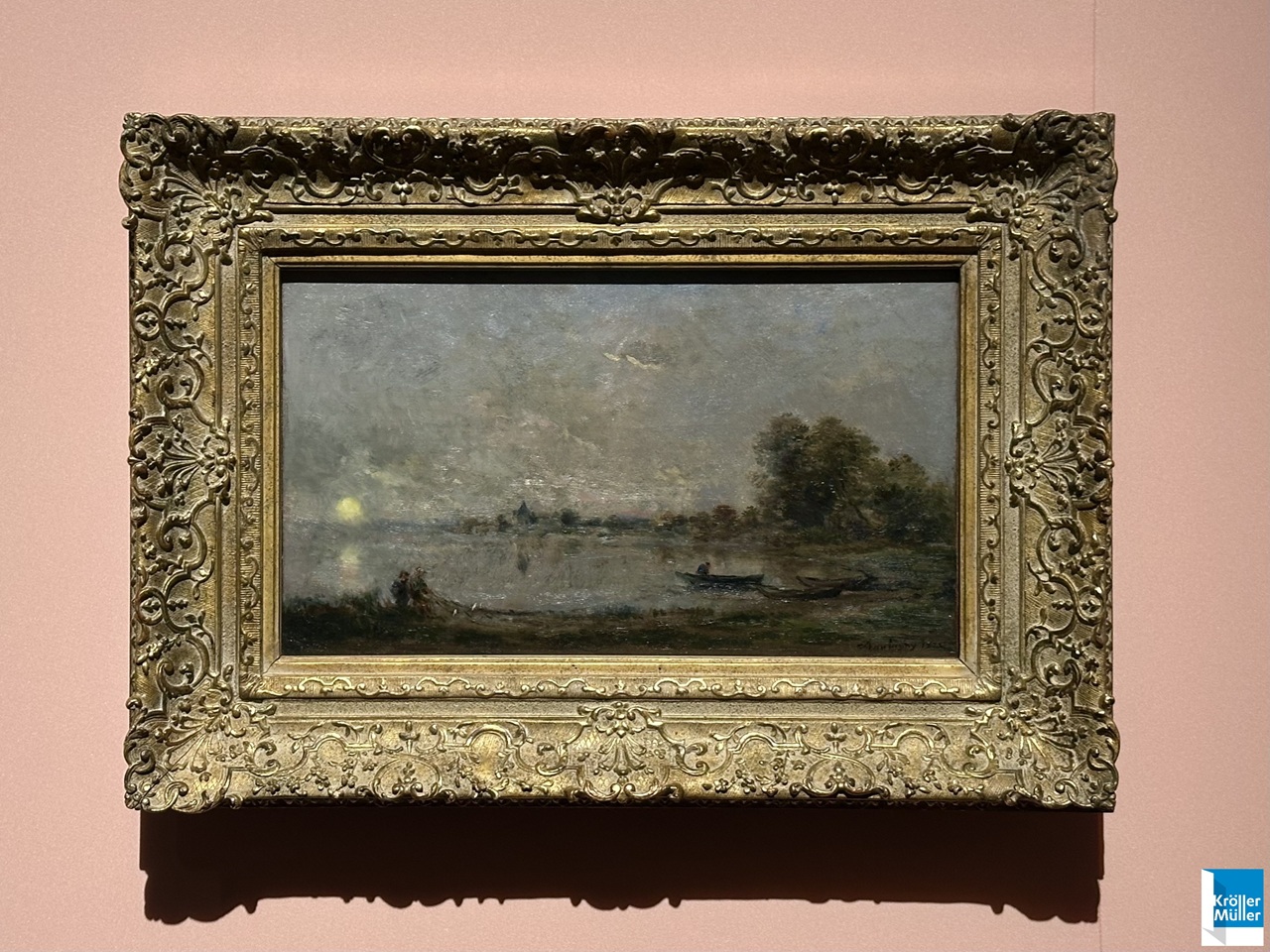
The Barbizon School was a group known for their naturalistic landscape and genre paintings, active in and around the village of Barbizon on the outskirts of Paris from the first half to the mid-19th century. Moving away from traditional historical painting, they realistically depicted familiar nature and the lives of poor farmers based on direct observation. Their outdoor painting style, outside the studio, had a significant influence on the next generation of Impressionists.
On the other hand, the Hague School, which was active in the latter half of the 19th century in The Hague, a city on the North Sea in the Netherlands, studied under the Barbizon School and painted subjects that were unusual at the time, such as the harsh life scenes of fishing villages. Their unique technique, which emphasized light and shadow over color and captured damp air and cloudy skies with grayish tones that evoked melancholy and emotion, gained widespread support in the Dutch art world at the time.
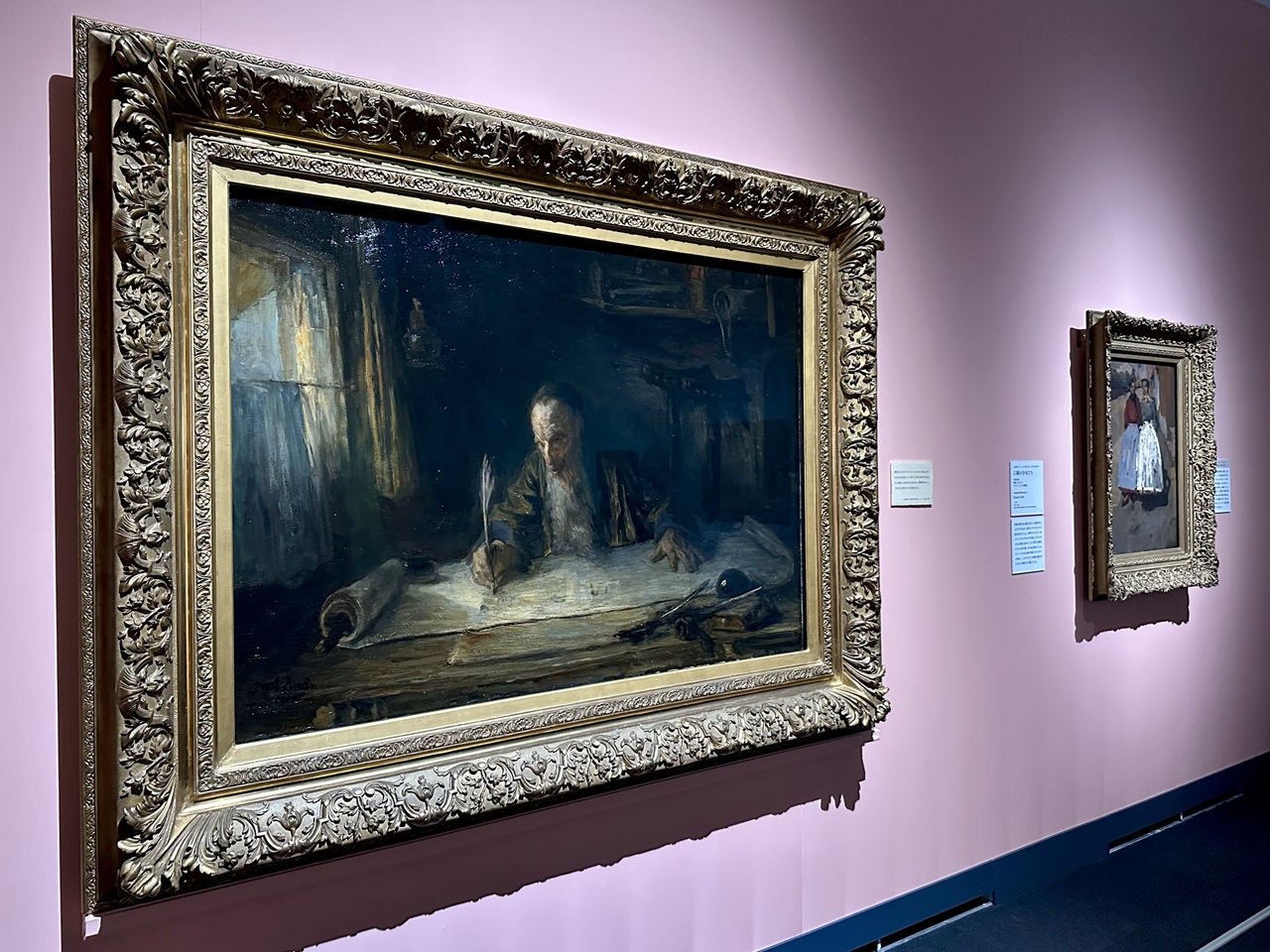
Exhibition view; on the left is Josef Israels' "The Jewish Manuscript Scribe," 1902, Kröller-Müller Museum.
Van Gogh began by copying instructional books, and from the end of 1881 to September 1883, he was based in The Hague, where he learned the fundamentals of painting directly from Anton Mauve, a distant relative and member of the Hague School. His main role model was Josef Israëls, a central figure in the school.
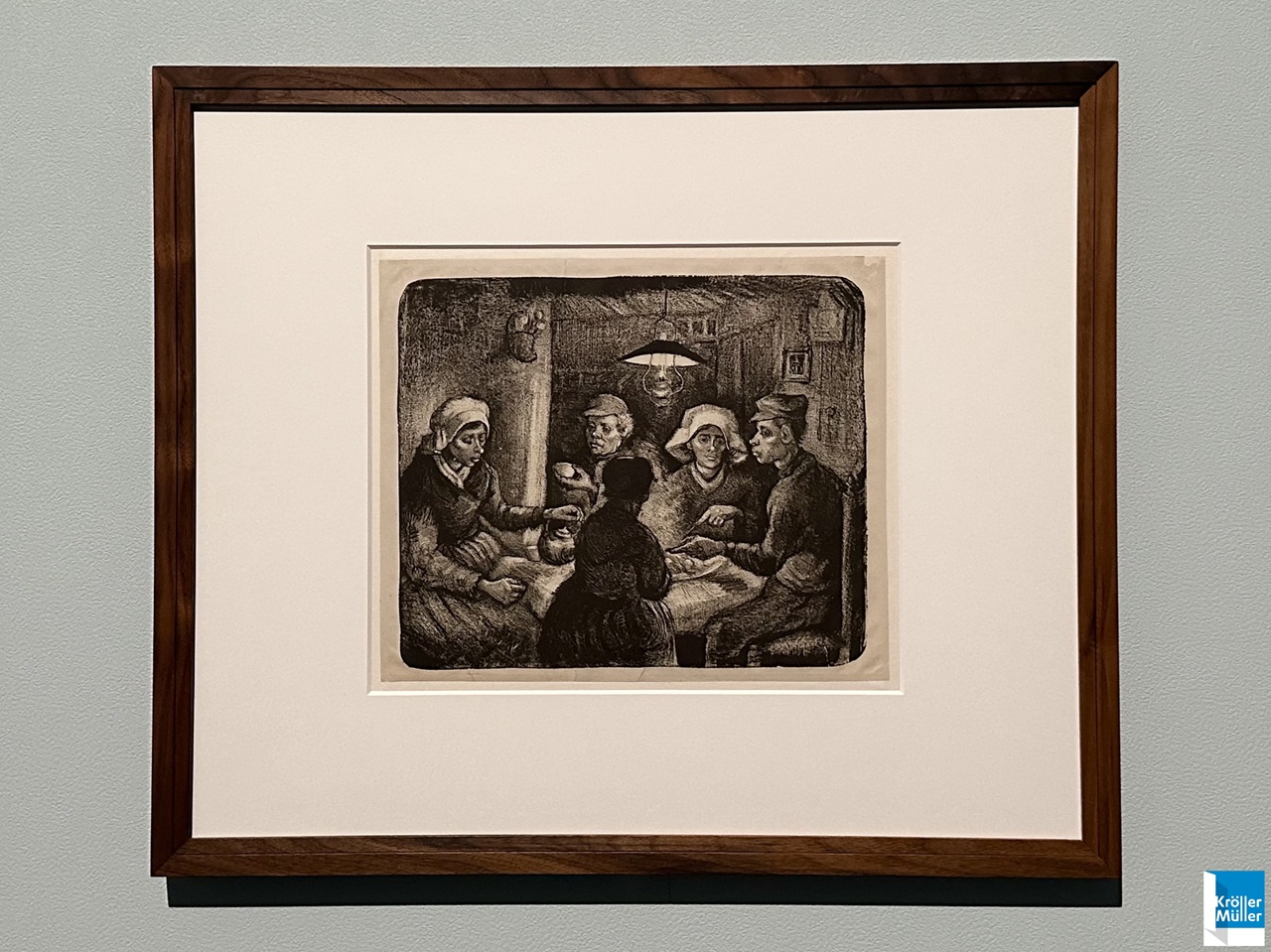
Israël painted not only genre subjects of fishermen and farmers, but also many religious themes with a Jewish background. His dramatic use of chiaroscuro was inherited from the 17th-century Dutch master Rembrandt. In Van Gogh's early masterpiece, "The Potato Eaters" (in the Van Gogh Museum), the influence of Israël can be seen in the solemn religious atmosphere in which the figures' faces emerge from the darkness. (A lithograph of this work is on display at the venue.)
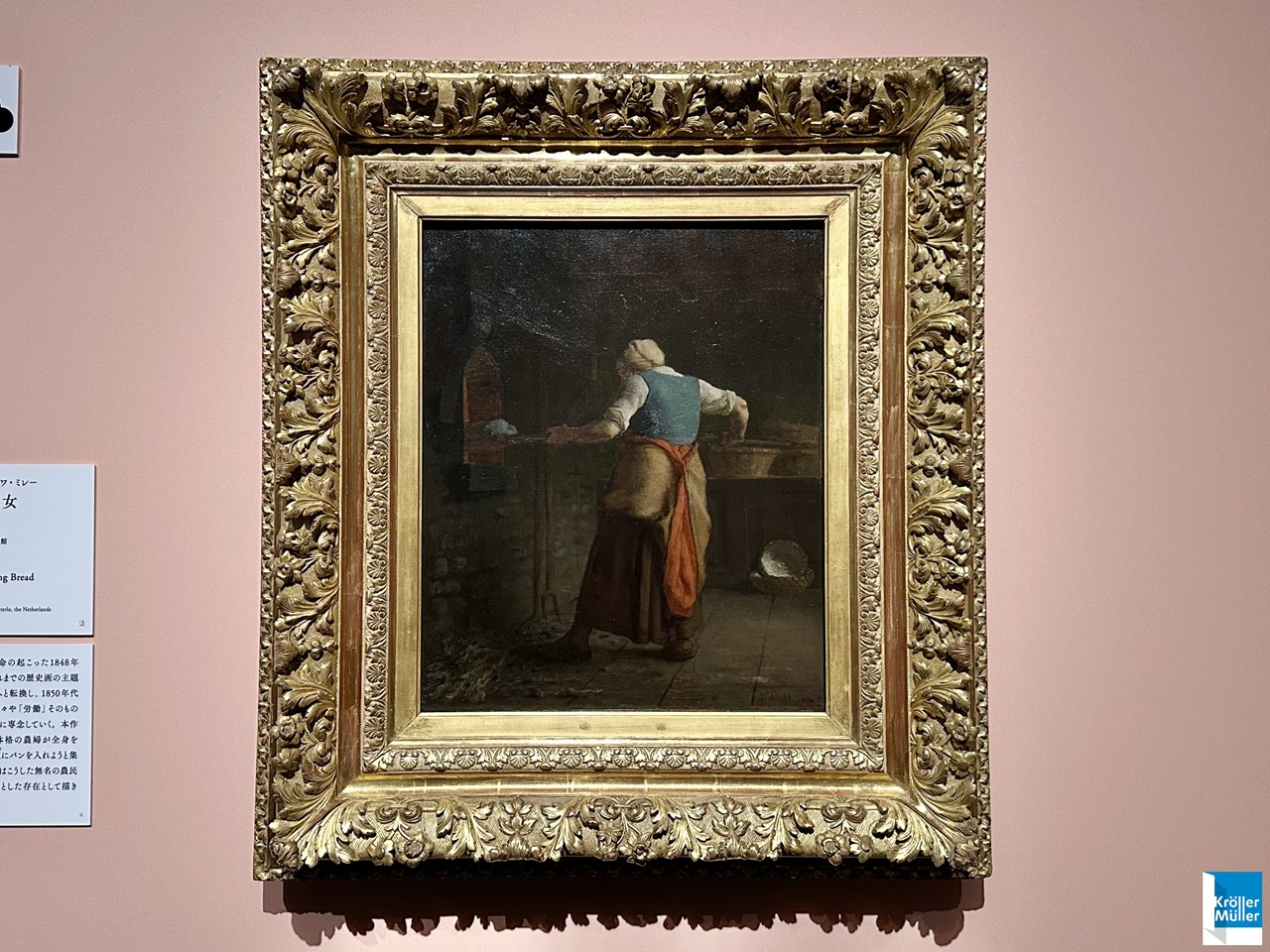
Furthermore, when discussing Van Gogh, the presence of Jean-François Millet, a member of the Barbizon School known for works such as "The Sower" and "The Gleaners," is indispensable. Van Gogh admired Millet throughout his life for capturing people who lived devout lives in harmony with the earth with a solemn gaze, and depicting the sublimity of their way of life. He did not merely copy lithographs, but reconstructed them with his own colors and expressions, using them as the foundation for establishing his own style.
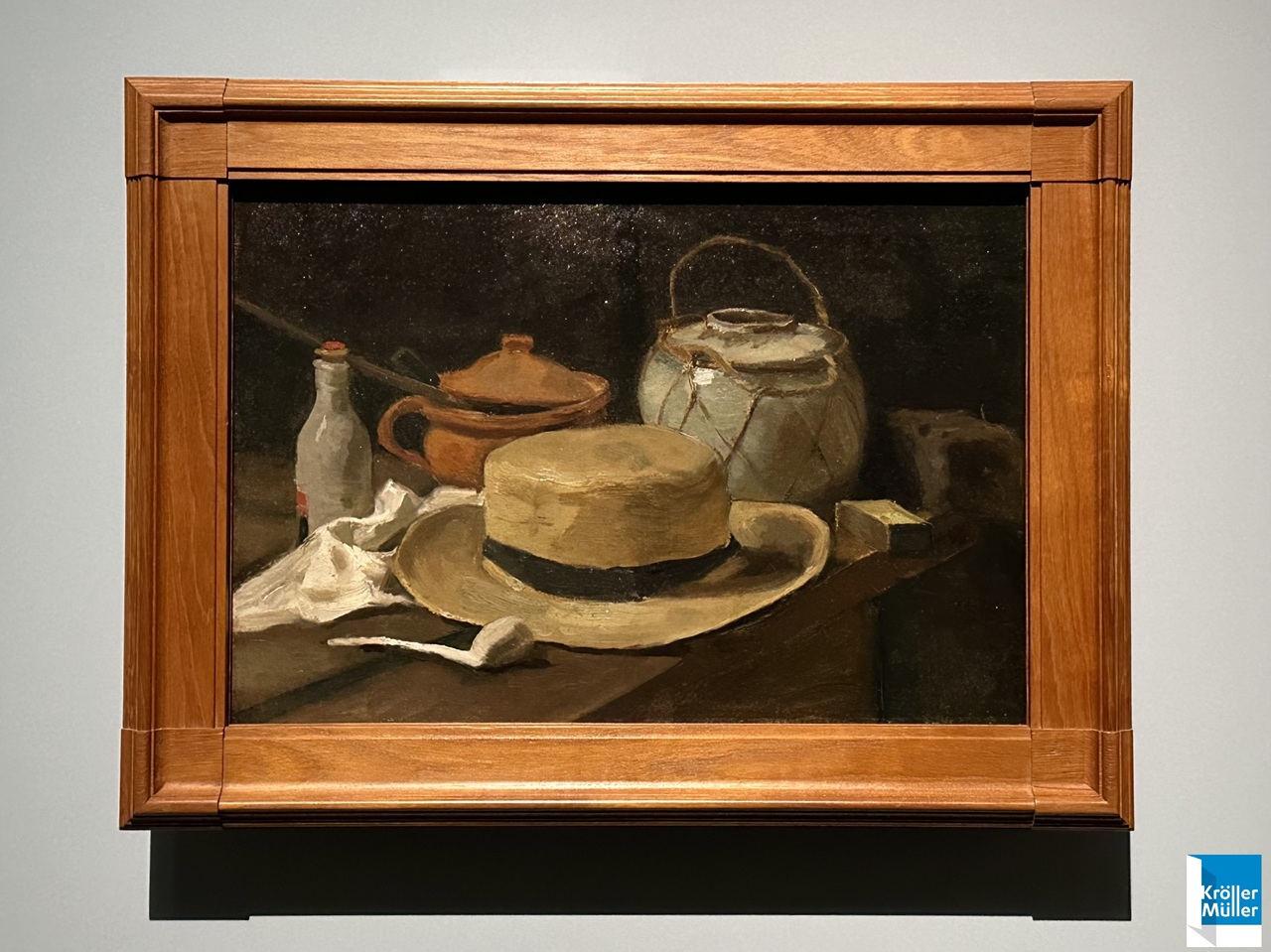
"Still Life with Straw Hat" (1881) marks the period when Van Gogh, who had previously devoted himself entirely to drawing, began to seriously grapple with oil painting. study On a wooden table, he arranged a yellow straw hat with a black ribbon, a pipe, pottery, and scraps of cloth, attempting to depict a variety of textures. His pride is evident in the letter he wrote, "I think I've reached the first step towards starting to paint something truly serious." It is said that he kept this work for a long time as reference material for his later creations.
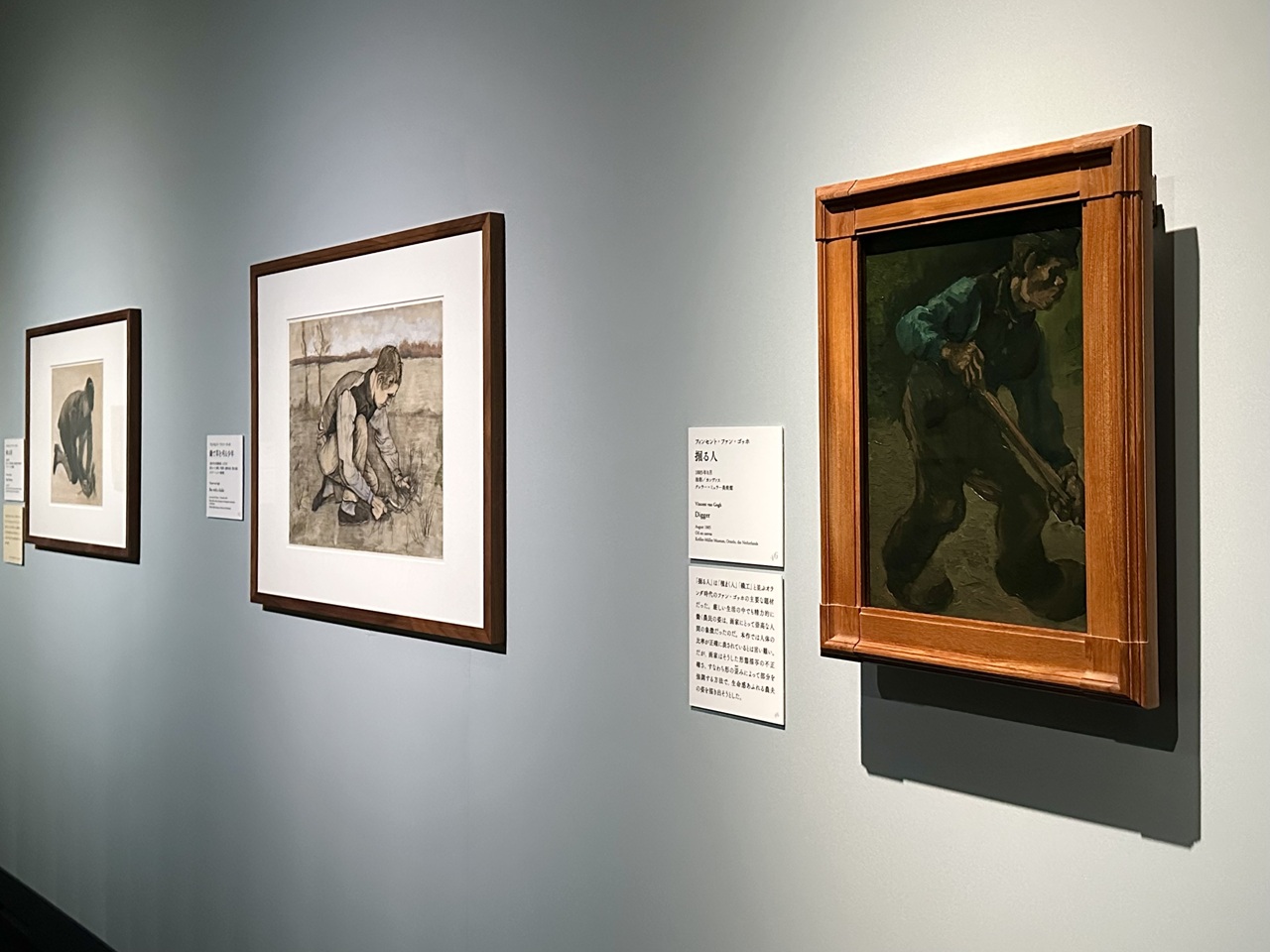
While both the Hague School and Van Gogh depicted the lives of the working class, the Hague School tended to portray the "modest life" that bourgeois collectors fantasized about, in order to win their favor. Van Gogh, on the other hand, showed his unique style by sometimes exaggerating faces to portray their suffering and struggles as harsh, ugly, or exhausted.
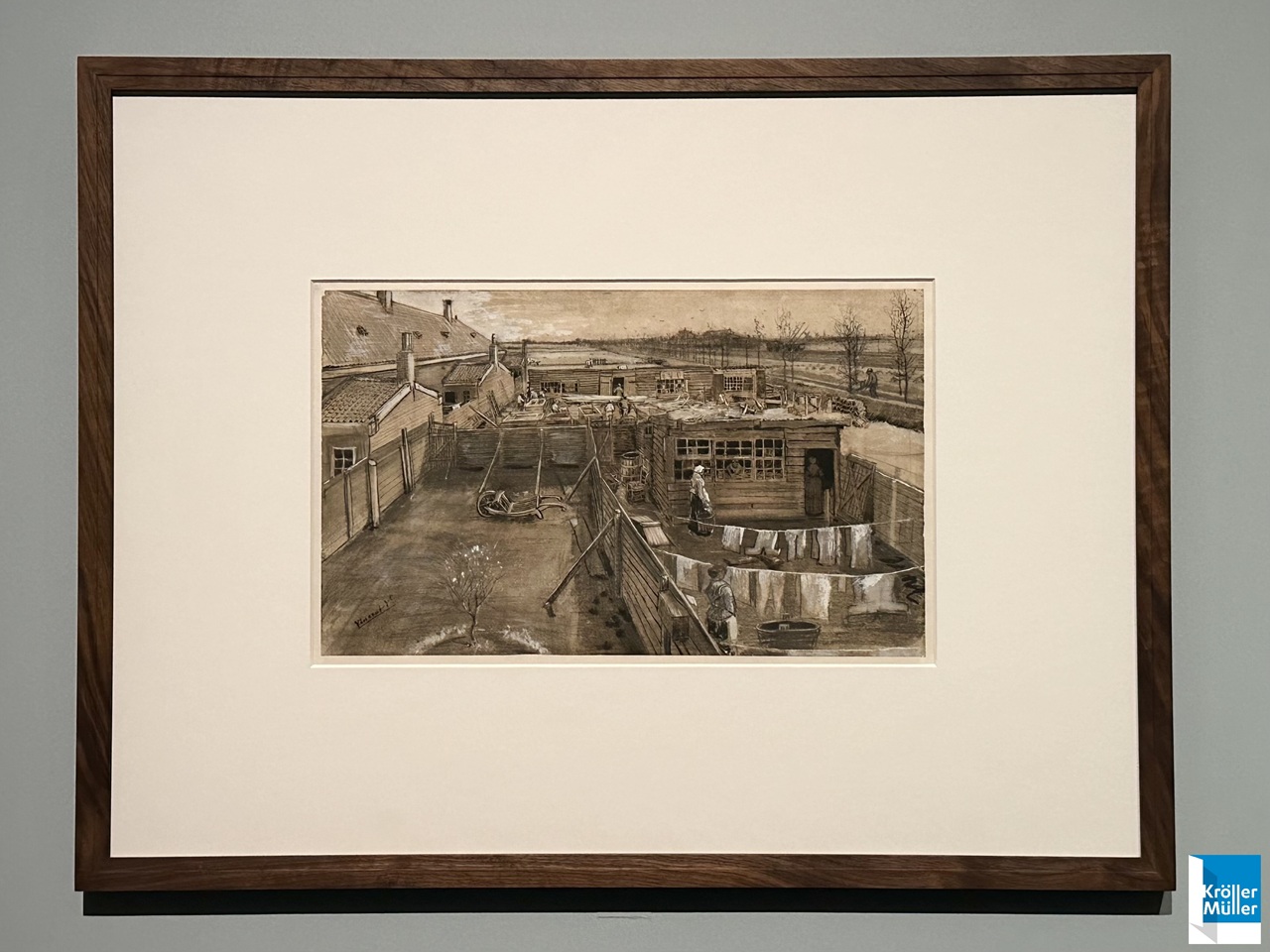
"The Carpenter's Workshop and Laundry Room" (1882), a view of the back of his home in The Hague, uses perspective to create a sense of realism. Of particular note is the small tree depicted in the foreground. He initially sketched it in pencil, then outlined it with pen and ink, added flowers with white watercolor paint, and finally scratched the edges of the background with a sharp tool. While it retains a slight awkwardness, this work reveals the artist's struggle to expand his expressive abilities by experimenting with various materials and techniques.
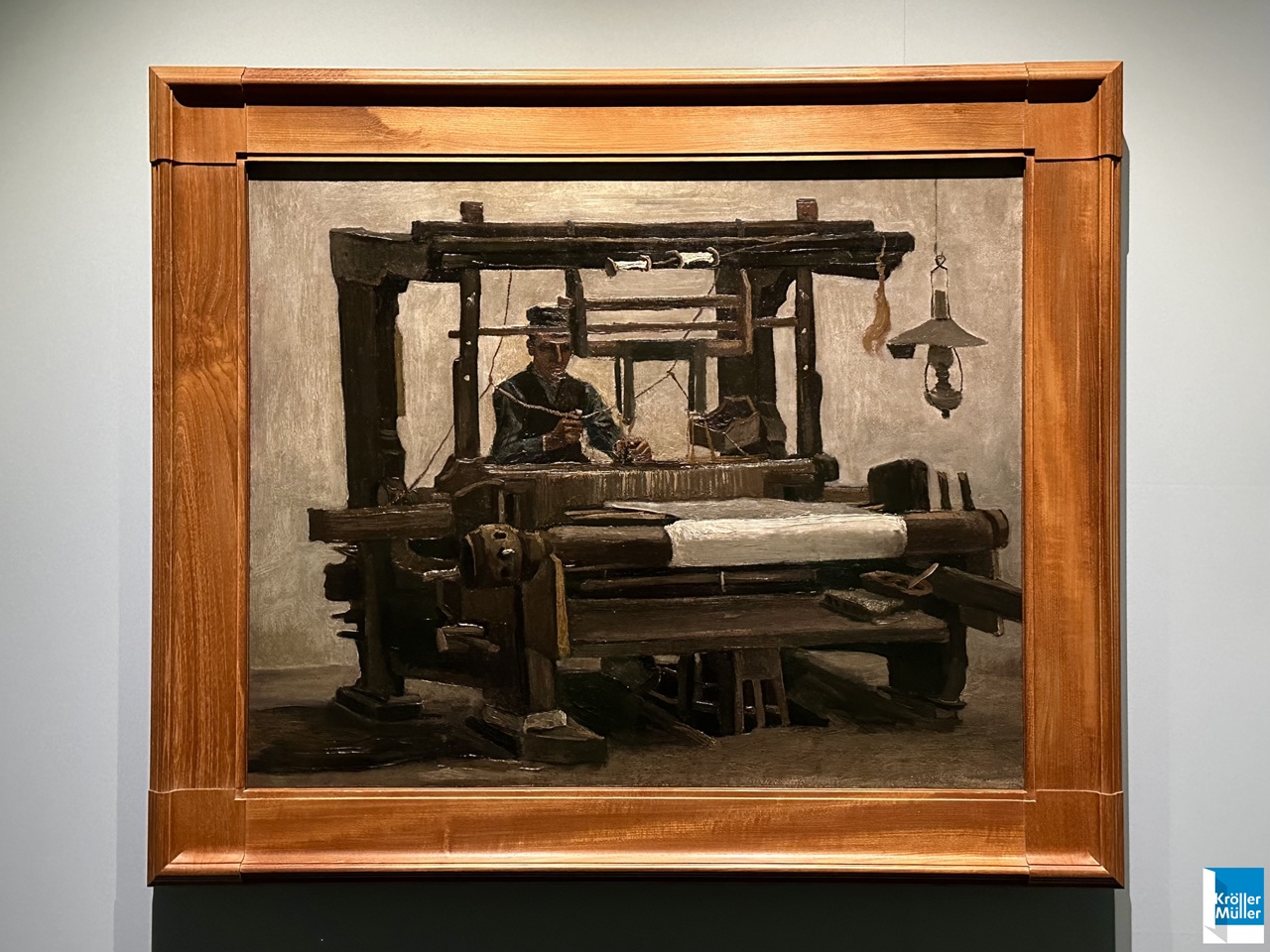
Weavers at work were one of the representative motifs of the Nuenen era. When Van Gogh visited weaver villages in northern France in 1880, he was deeply moved by the weavers, whom he described as "dreamy, pensive, and like sleepwalkers." He decided to shine a spotlight on them, who were rarely featured as art motifs at the time, and he was also fascinated by the intricate structure of the looms themselves.
"The Loom and Weaver" (1884), with its imposing black loom standing out against a dull gray background, is a prime example of this style. It is said that he had this work photographed as a carte de visite (business card-sized photograph), perhaps to report the result to Theo and to promote the work.
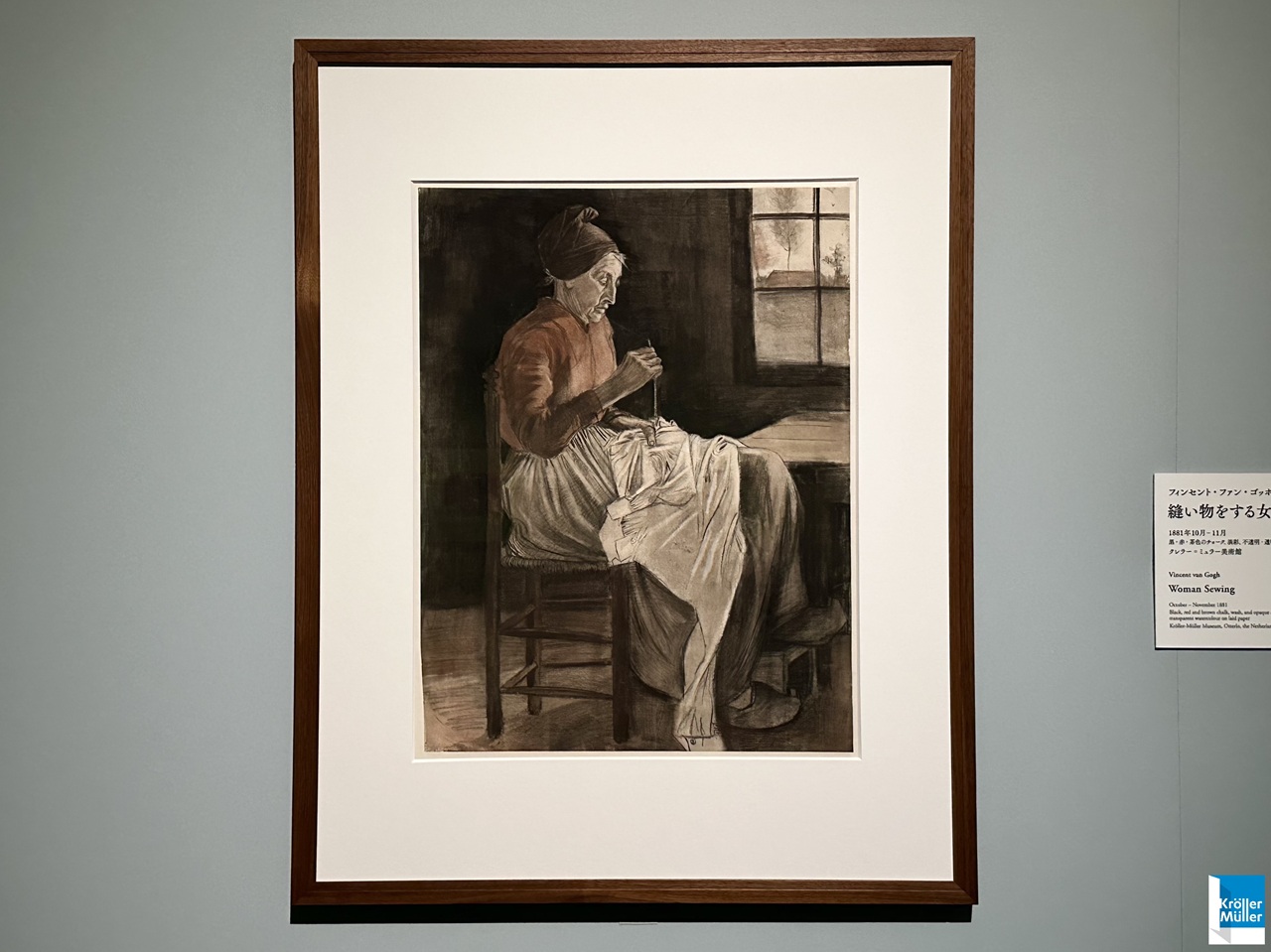
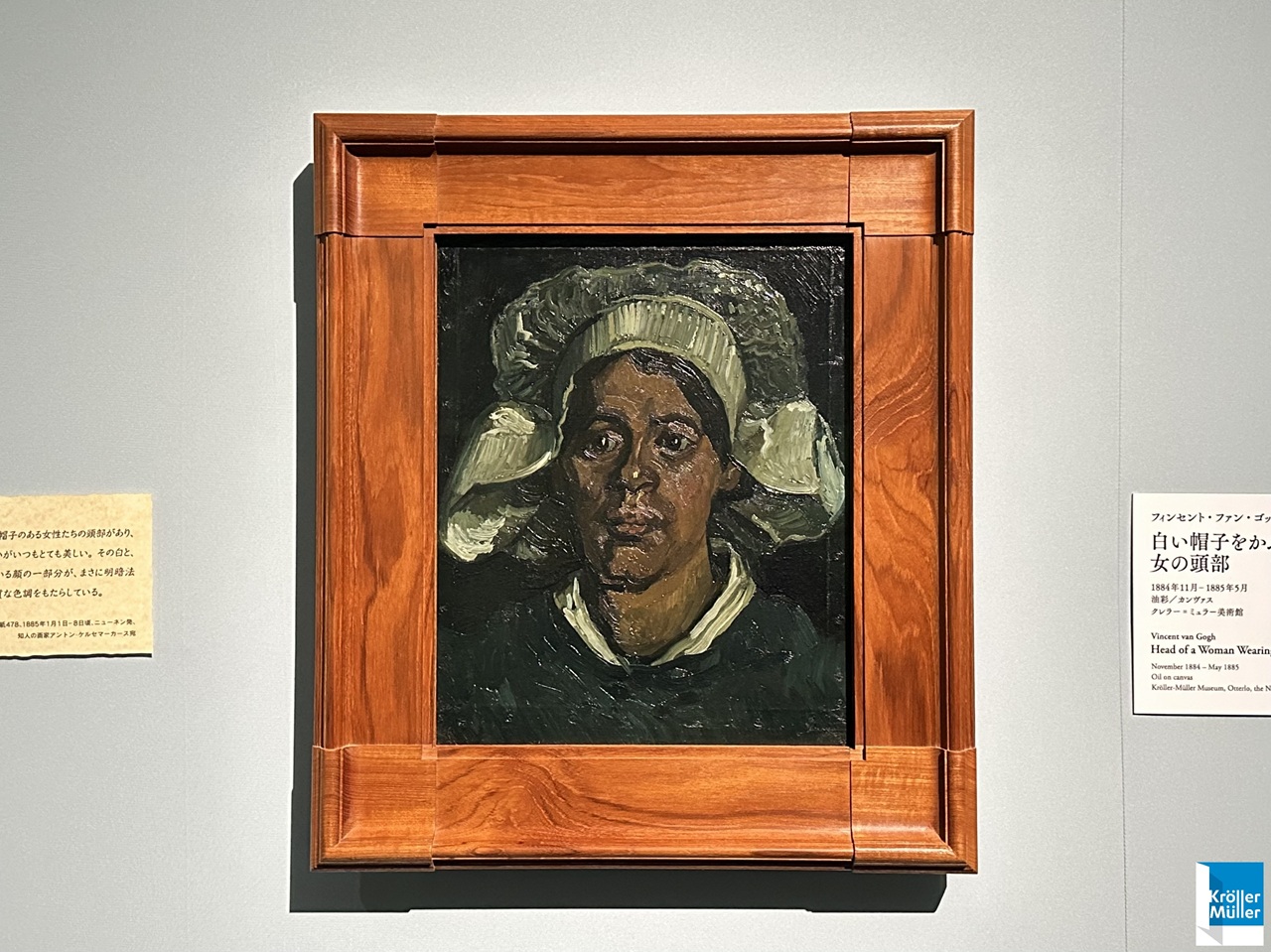
Between December 1883 and November 1885, while living in Nuenen, he produced over 500 works, many of which were head studies exploring chiaroscuro techniques. He was particularly interested in the white hats that the women of Nuenen wore daily, noting in a letter that the hats and the faces they cast in shadow "brought about a finer quality of color, much like chiaroscuro."
At the time, influenced by Israël, Van Gogh found beauty in "light emerging from darkness." Therefore, he adjusted the tones of the model's face and clothing, and then adjusted the light and shadow of the background to express the effect of light and depth within a dark color scheme.
The culmination of his time in the Netherlands was his oil painting, "The Potato Eaters." The exhibited work is a lithograph based on a study for the oil painting, created to convey to close friends and family the image of his confident work, which tells the story of the nobility of the farmers' "hand labor." Although he had attempted printmaking for the first time, Theo and his friend, the painter Van Labbarde, gave it harsh reviews, calling it "unclear" and "superficial." From this point onward, Van Gogh's inclination towards lyrical expression over technical skill in his art deepened.
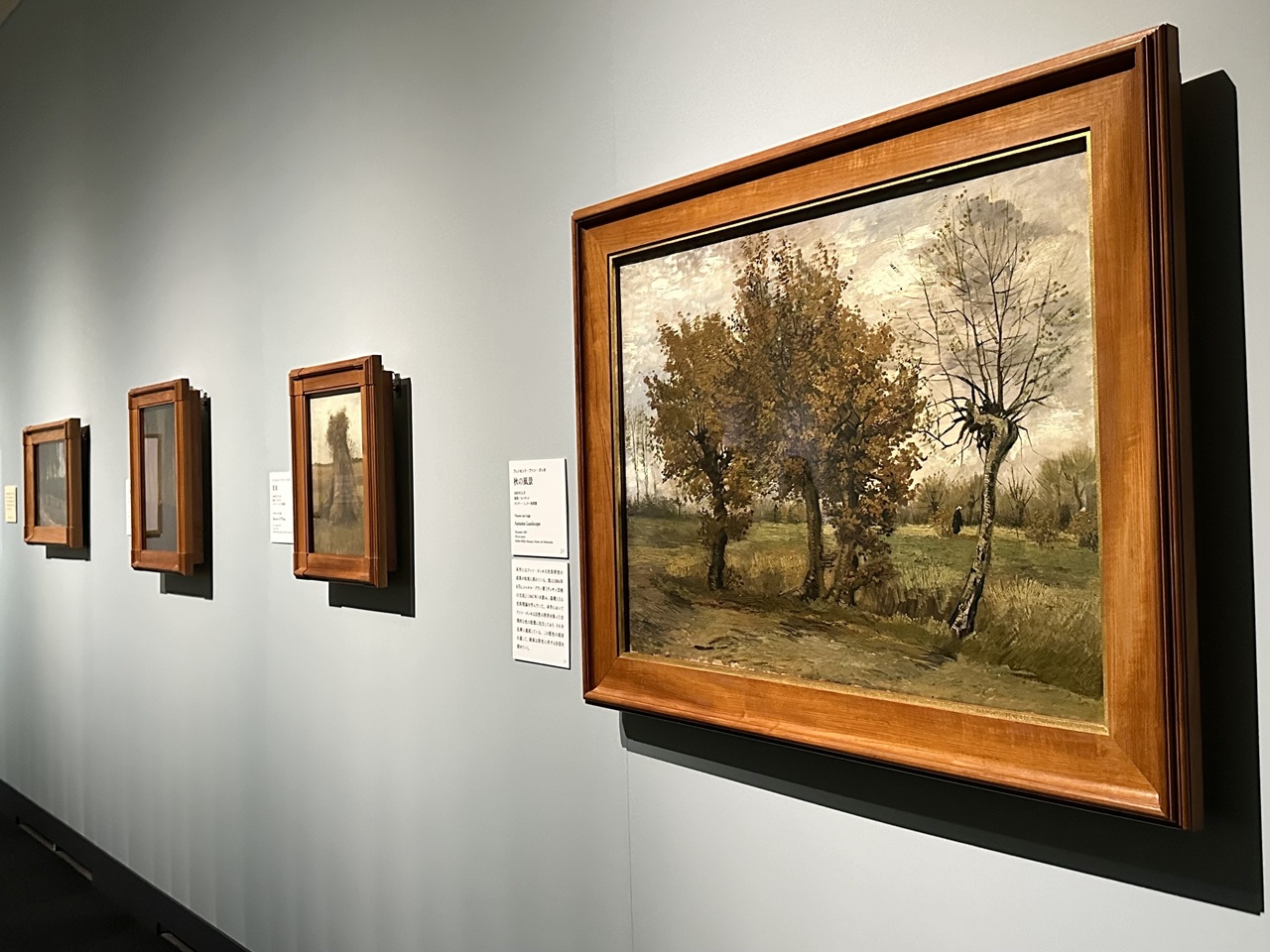
Exhibition view; on the right is Vincent van Gogh's "Autumn Landscape," November 1885, Kröller-Müller Museum.
Chapter 3: "Parisian Painters and Van Gogh"
Chapter 3 focuses on the works of masters, primarily Impressionists, who were active from the 1860s to the 1890s.
Van Gogh, having been criticized by Theo, a successful art dealer in Paris, for the darkness of his paintings and persuaded that he needed to learn more about modern art, and also due to his growing interest in the Barbizon School and his longing for French art and the country itself, impulsively moved to Paris in February 1886 after a short period of study at the art school in Antwerp, Belgium.
Living with Theo in an apartment and having the opportunity to exhibit his work at the café "Le Tamboulan," he interacted with contemporary painters such as Camille Pissarro, Henri de Toulouse-Lautrec, and Émile Bernard. By being exposed to the latest artistic expressions, his art underwent a dramatic transformation, moving away from the dark period of his time in the Netherlands and becoming filled with light and color.
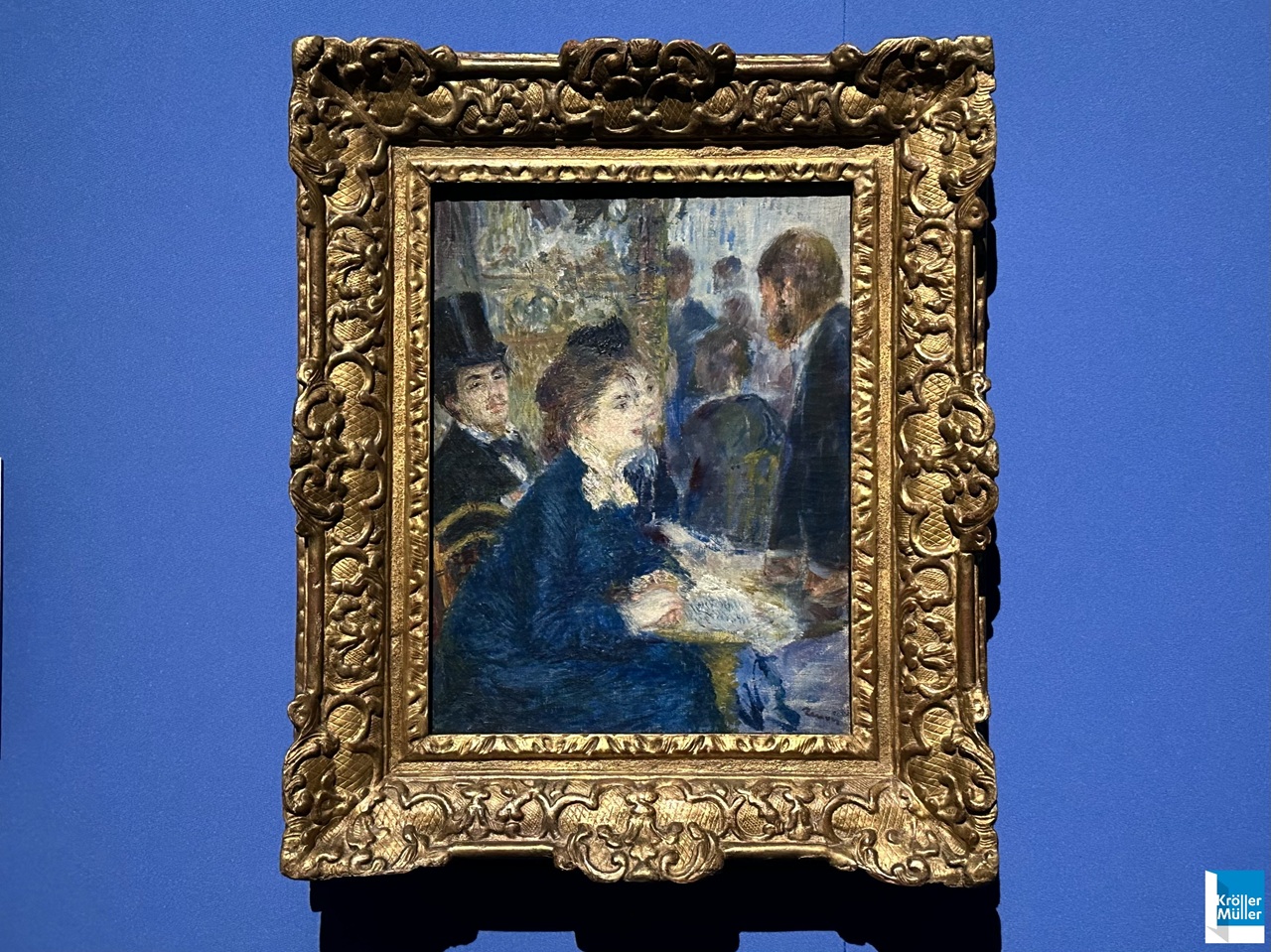
Van Gogh was particularly interested in Claude Monet's sense of color, Pierre-Auguste Renoir's vibrant shading and soft brushstrokes, and Paul Cézanne's bold techniques of composition and color expression. He also befriended Neo-Impressionist painters such as Georges Seurat and Paul Signac, and was influenced by them to practice pointillism. By the end of the summer of 1887, he had completed works using a rhythmic brushwork that was his own interpretation of Neo-Impressionism.
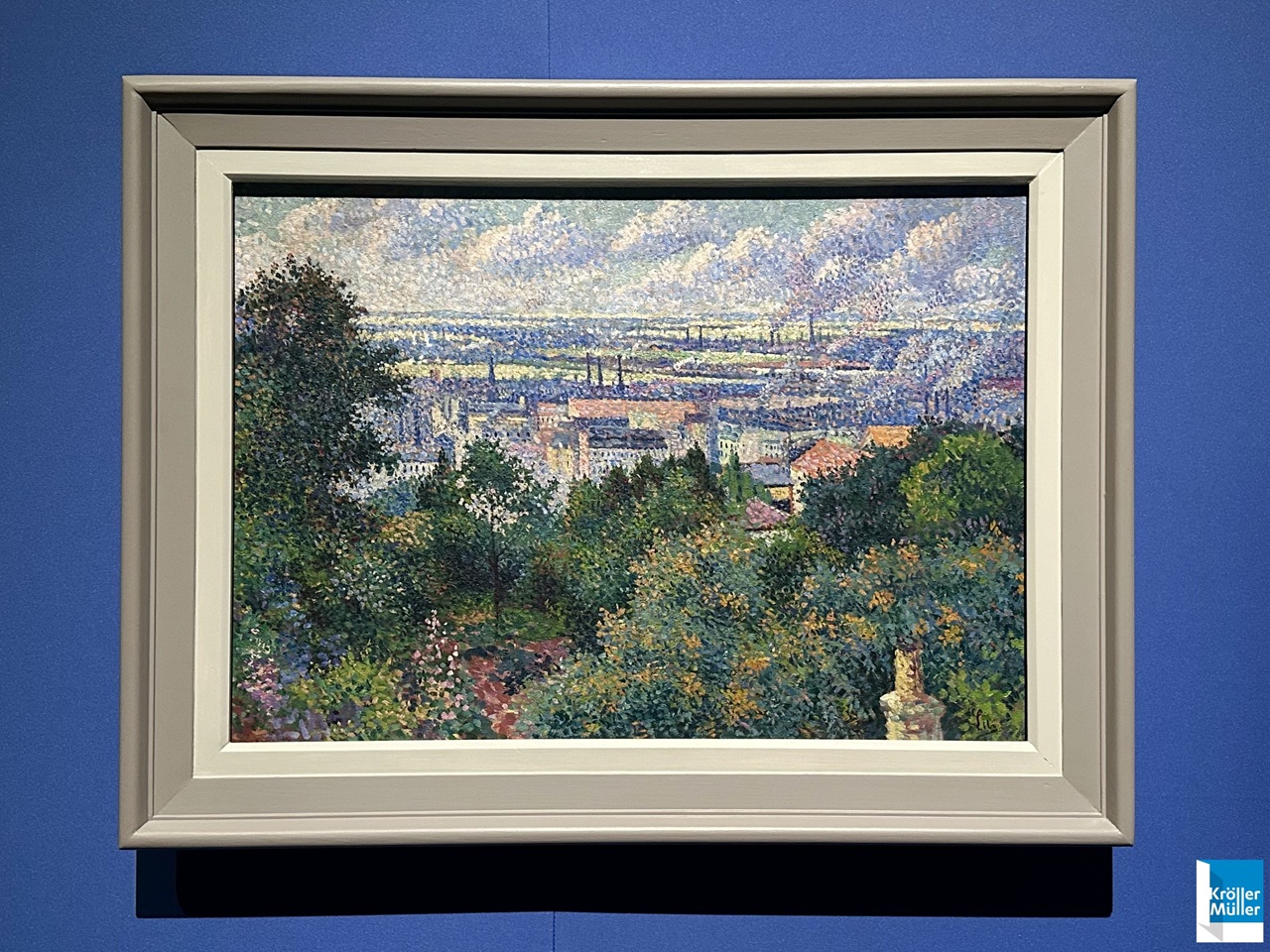
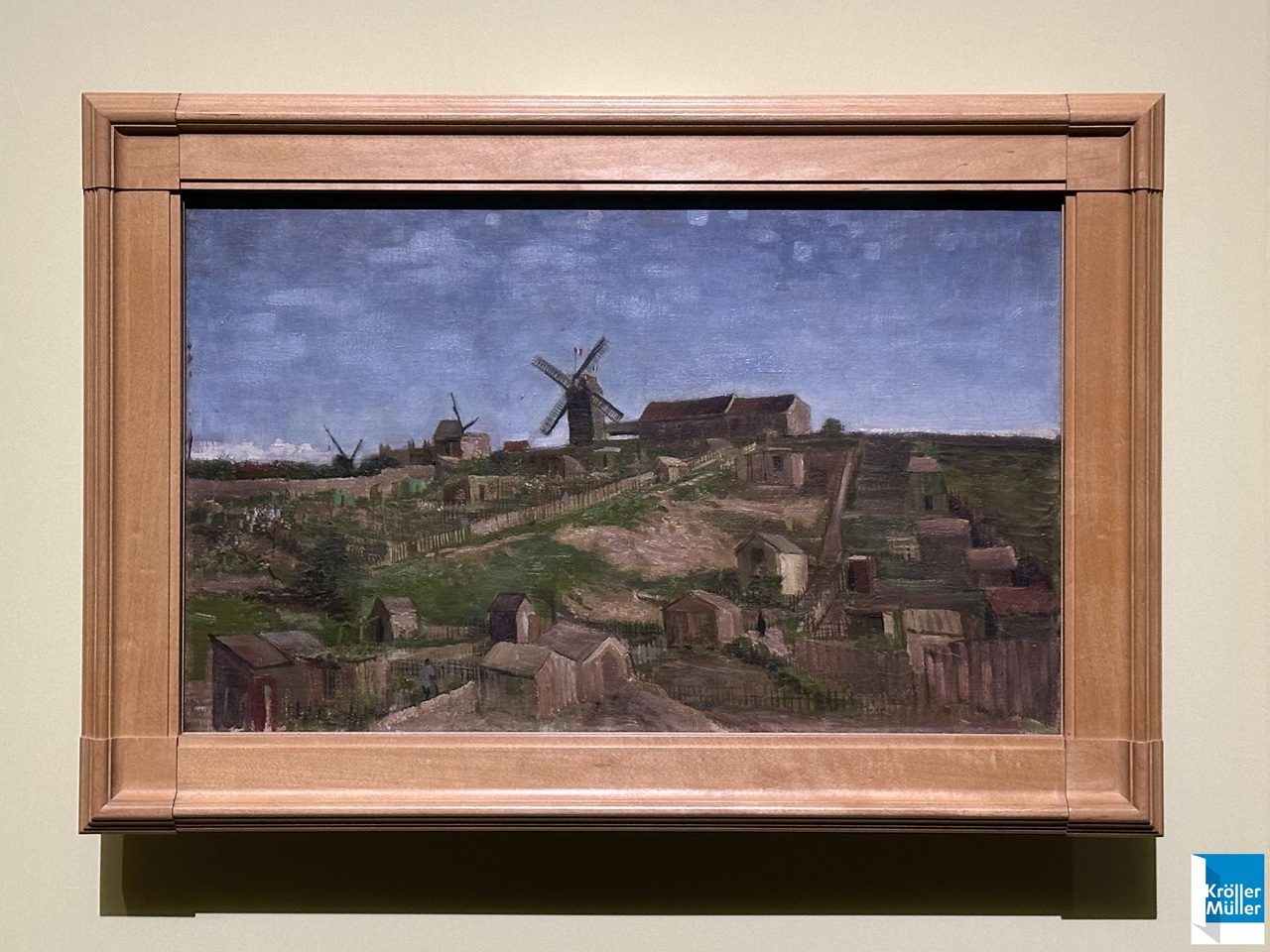
Around the same time, Maximilian Luce, a Neo-Impressionist painter, practiced pointillism in a more systematic way. Attracted by the beauty of the coexistence of man-made objects and nature, he, like Van Gogh, established his studio on Montmartre Hill, where urban and rural landscapes intersect. His work "Paris Area, View from Montmartre" (c. 1887) captures the view of the industrial area of Saint-Denis from his studio. The lush greenery shining in the summer sun, and the way the smoke rising from the rows of chimneys mixes with the clouds, are vividly depicted using pointillism.
Luce, faithful to Seurat's optical theory, attempted to capture the light and atmosphere of Paris through meticulous and regular pointillism. In contrast, Van Gogh not merely followed the rules of painting, but elevated it to a rhythmic and powerful brushstroke that seemed to pour out his own emotions, and a subjective approach to color.
Chapter 4: "The Paris Period"
Chapter 4 traces the dramatic changes in Van Gogh's painting style during his approximately two years living in Paris.
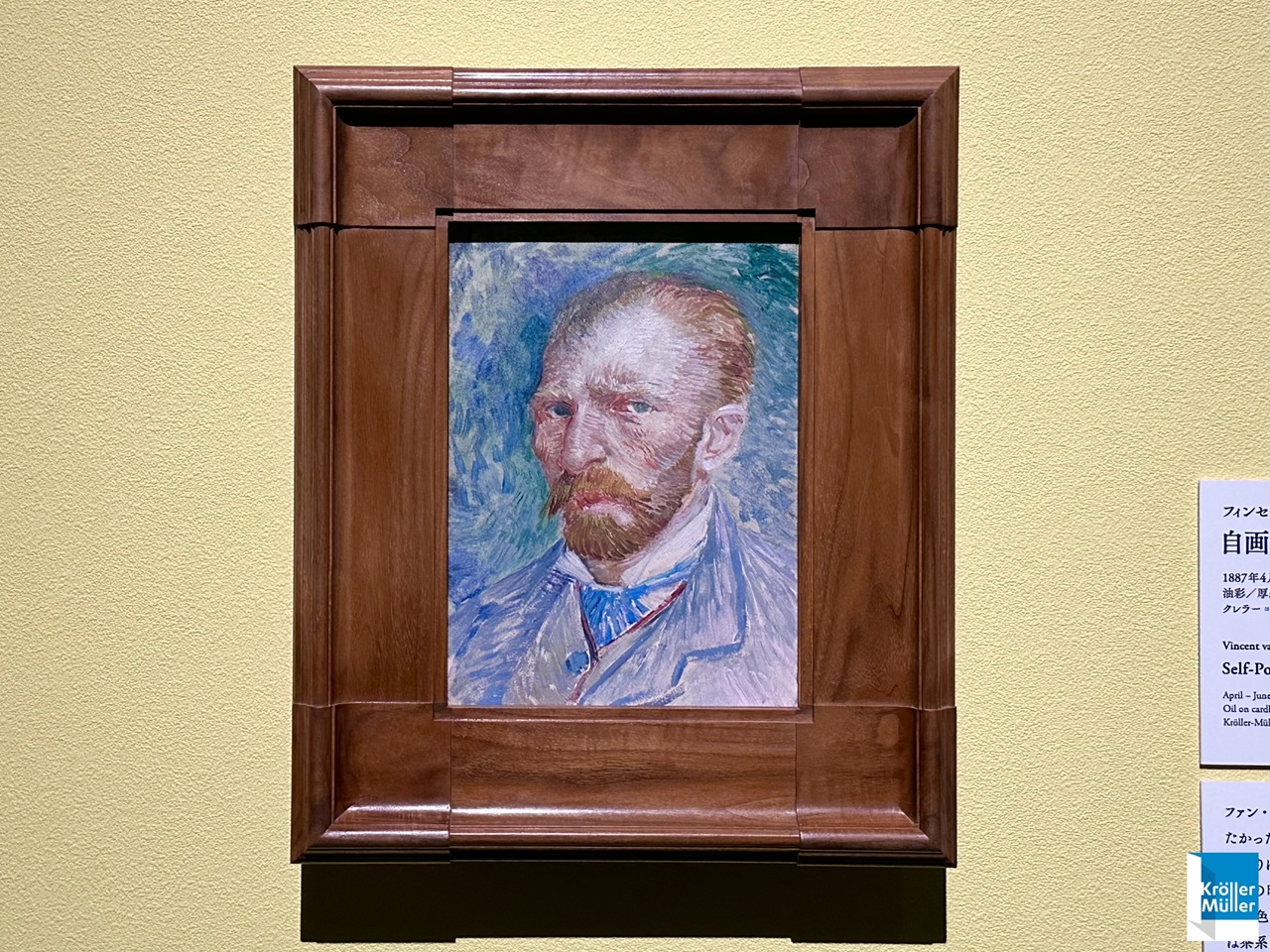
After moving to Paris, Van Gogh was unable to afford models and was forced to paint still lifes and self-portraits instead of the portraits he had wanted to paint. However, this ultimately led to a dramatic improvement in his sense of color.
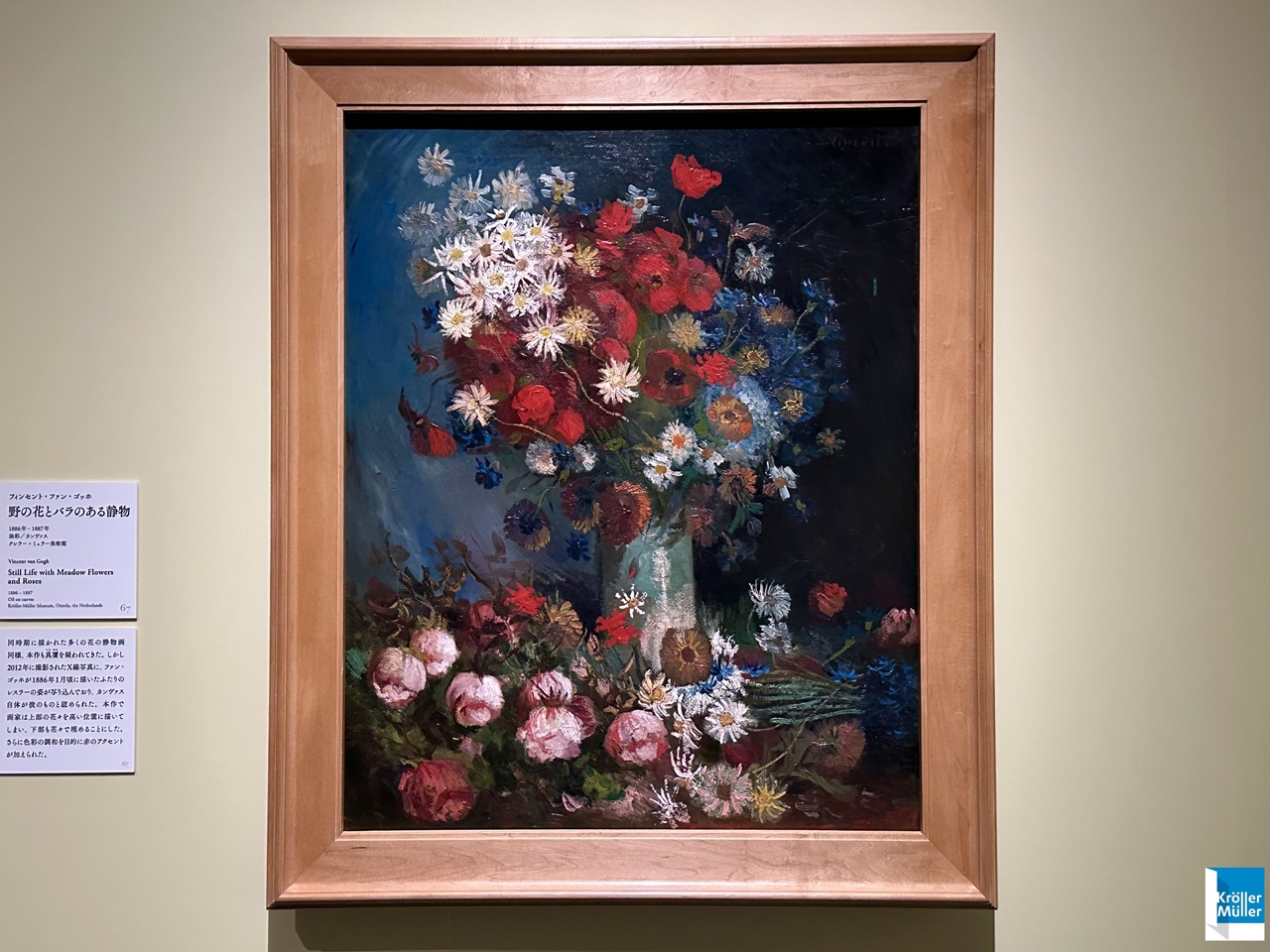
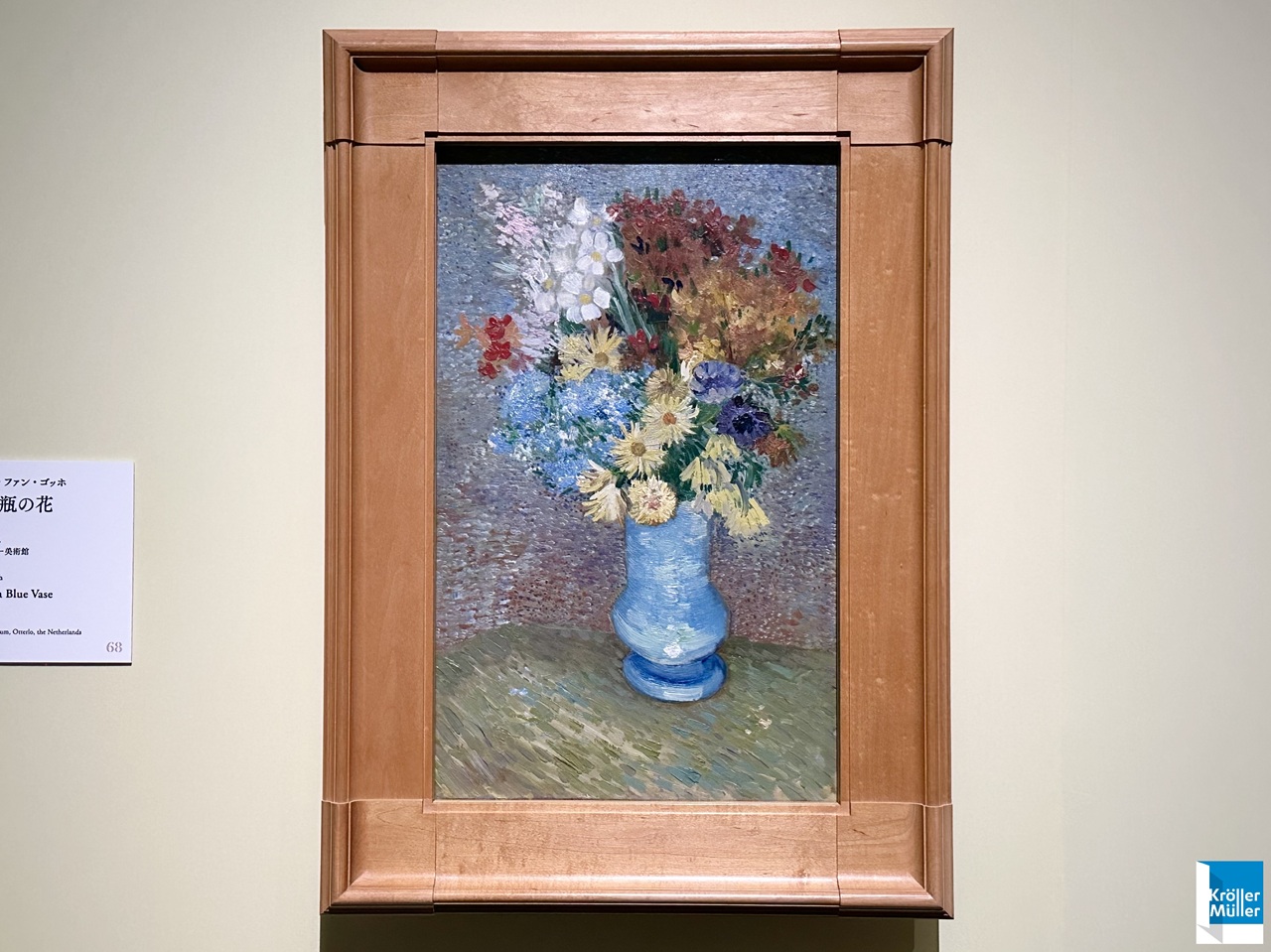
In particular, at least 30 still lifes of flowers were produced in the summer of 1886 alone. Specifically, he repeatedly experimented with complementary color contrast, placing complementary colors (colors located directly opposite each other on the color wheel), such as red and green, or orange and blue, next to each other to make each color stand out more vividly. Looking at the three exhibited still lifes of flowers— "Roses and Peonies" (1886), "Still Life with Wildflowers and Roses" (1886-87), and "Flowers in a Blue Vase" (1887)—in the order in which they were created, we can see that while the color contrasts intensify, the harmony of the picture becomes more refined, demonstrating his growing mastery of the technique.
This was influenced by Eugène Delacroix, who theoretically analyzed and applied the complementary color effect before Impressionism, and by Adolphe Monticelli, whom Van Gogh deeply admired at the time. Monticelli was a painter from southern France known for his original style, which made extensive use of extremely thick paint application reminiscent of sculpture and strong contrasts in color. In addition, his influence from Ukiyo-e prints, including those by Utagawa Hiroshige, was one of the important factors that shaped what is known as Van Gogh's distinctive brushwork and sense of color.
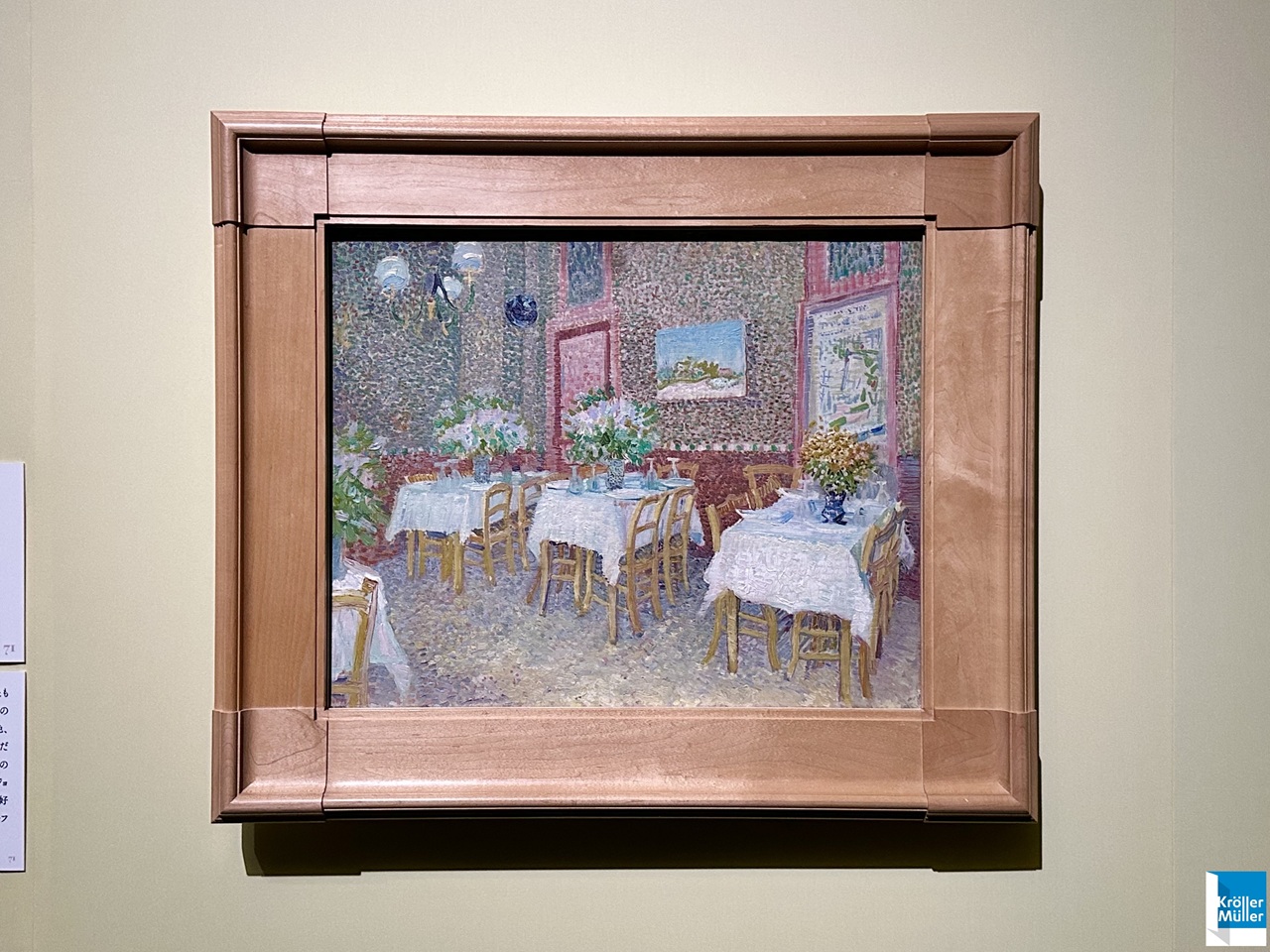
Unusually for Van Gogh, "Restaurant Interior" (1887), set in a restaurant catering to the bourgeoisie, is one of the works that most clearly demonstrates the Neo-Impressionist technique. Using pointillist brushstrokes reminiscent of Signac, he arranges complementary color contrasts—the red and green of the wall, the yellow and muted purple of the floor, and the orange of the chairs and the bluish of the tablecloth—with a balance that reveals careful consideration.
However, the table and chairs are not always rendered with thorough pointillism. In addition, this work was painted on the reverse side of a canvas that had been used before, and perhaps the meticulous dotting technique was too restrictive for the painter's passionate temperament, as he distanced himself from strict pointillism after moving to Arles. This work is particularly popular among Van Gogh's works for its bright and refined colors, but considering these points, it may not have been something he wanted to widely showcase, but rather merely an opportunity to acquire technical skills.
Chapter 5: "The Arles Era"
While Van Gogh achieved great success as a painter in Paris, the hustle and bustle of the city and the fierce competition among artists gradually took a toll on his mind and body. Seeking the dazzling sunlight seen in his beloved Ukiyo-e prints and the ideal community of artists working together, he moved to Arles, a small town in southern France, in February 1888. He was completely captivated by the vibrant colors and abundant sunshine, and became engrossed in expressing nature through vivid color contrasts.
In less than 15 months, he produced approximately 200 oil paintings and over 100 drawings and watercolors. Simultaneously, he conceived the "Yellow House," a communal studio, and prepared to invite many up-and-coming artists, including Paul Gauguin.
As evidenced by his words, "What I absolutely want to paint now is the starry sky," and "To me, the night often appears far more vibrant and colorful than the daytime," it wasn't just the daytime light that uplifted Van Gogh in Arles.
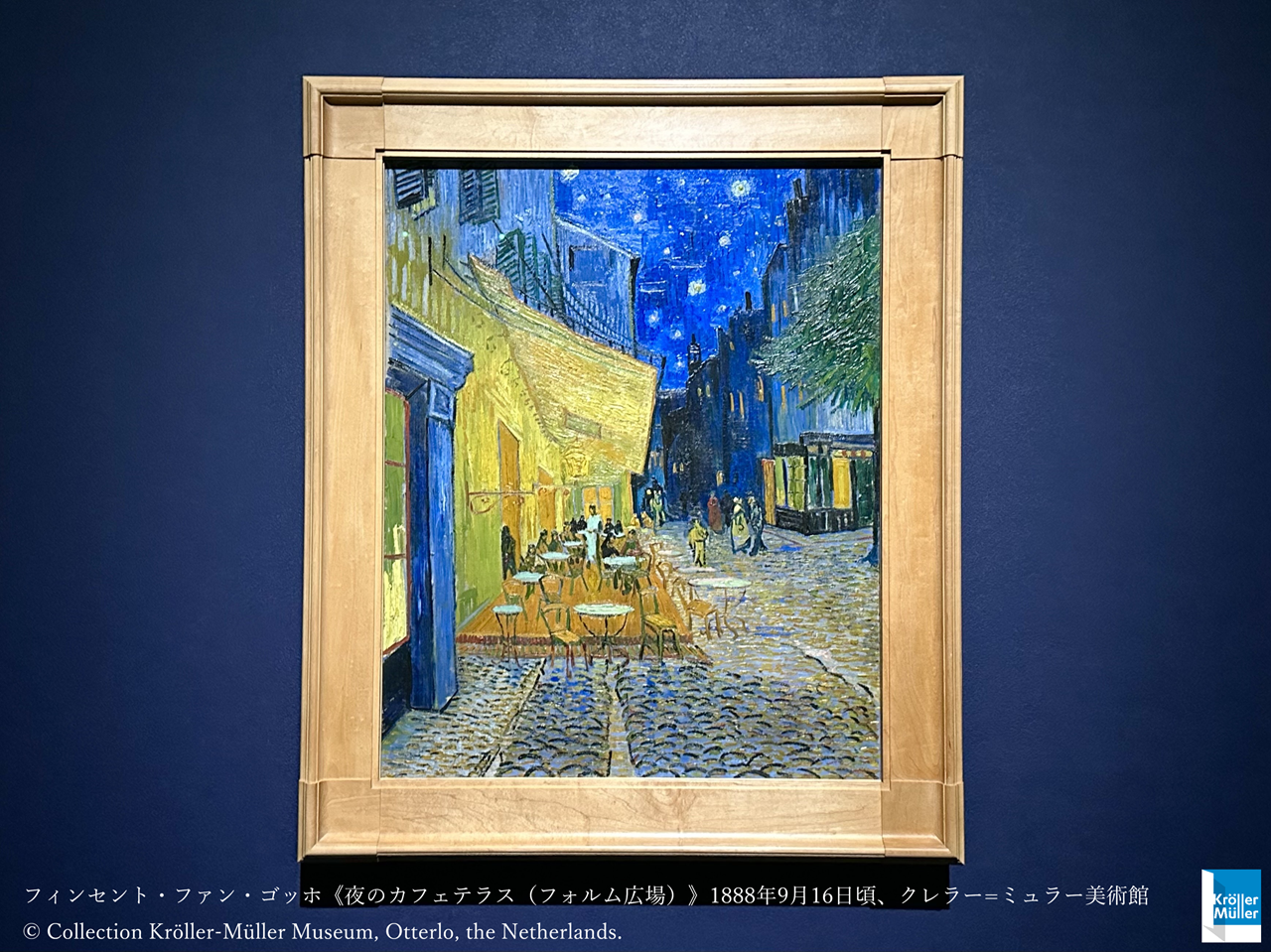
The highlight of this exhibition , "Café Terrace at Night (Place du Forum)" (1888), depicts the nighttime scene of Place du Forum in the heart of the city, bathed in the yellow light of gas lamps. It is one of Van Gogh's finest masterpieces, rarely seen outside of the Netherlands, and is a monumental work in which he first depicted a starry sky in a truly remarkable way.
Against a backdrop of a star-filled night sky, a café terrace shines brightly. The raised paint of the stars gives them a presence like jewels. Regarding this work, Van Gogh wrote in a letter, "This is a painting of the night without black. There are only beautiful blues, purples, and greens, and against this backdrop, the illuminated square is colored in pale sulfur and greenish lemon yellow." The contrast between the warm-colored foreground and the cool-colored background gives it an eye-catching brilliance, redefining the image of night which had often been depicted in black and gray in traditional Western painting.
It has been suggested that Van Gogh's pursuit of the starry sky was influenced by the magnificent descriptions of the night sky in Guy de Maupassant's novel "Bel-Ami," which he loved to read, as well as the colorful starry sky he saw in the Mediterranean Sea in early June 1888. In any case, what is important is that for him, the starry sky was an important motif that represented "hope."
It is thought that when this work was created, the community members were filled with anxiety and loneliness, unsure whether their friends would come to visit, but also with excitement and hope. A letter remains that says something to the effect of, "When I feel restless at night, I go outside and look at the sky, and the stars look like my friends," suggesting that in this work as well, the characters may have been associating the stars with the images of their friends.
However, it's worth noting that cafes at that time were different from those of today, serving as places for socializing and indulging in pleasure. The depiction of the cafe terrace in this work is known to be a conscious reference to the scene in "Bel Ami" mentioned earlier, where the poor protagonist gazes with disgust at a night cafe where wealthy people enjoy food and drink and prostitutes hang out. Furthermore, regarding "The Night Cafe," a work created around the same time, Van Gogh stated that he "tried to express that a cafe is a place where people ruin themselves, lose their sanity, and commit crimes."
The earthly world, where desire and decadence intertwine, and the heavenly world, where starry skies symbolize hope. Van Gogh contrasted these two worlds, and perhaps through the vivid contrast of complementary colors, he tried to further highlight the brilliance of the latter.
The second phase of the exhibition, "The Great Van Gogh Exhibition: The Langlois Bridge at Arles," is scheduled to tour from Kobe on February 6, 2027, to Fukushima and Tokyo. The Langlois Bridge at Arles, considered a Dutch national treasure, will be exhibited in Japan for the first time in approximately 70 years, so be sure to check it out.
■ Overview of "The Great Van Gogh Exhibition: Cafe Terrace at Night"
Date: May 29, 2026 (Friday) – August 12, 2026 (Wednesday)
Venue: Ueno Royal Museum
Opening hours: Sunday to Thursday 9:00-17:30 / Friday, Saturday, and public holidays 9:00-19:00
*Entry is permitted until 30 minutes before closing time.
Closed days: Open every day during the exhibition period.
Admission fees (weekdays): General admission 2,800 yen, University/vocational school/high school students 1,600 yen, Junior high/elementary school students 1,000 yen
*An additional 200 yen will be charged on Saturdays, Sundays, and public holidays.
*Admission is free for high school students and younger until June 30th (Tuesday).
*Please check the official website for details.
Organizers: Sankei Shimbun, TBS, TBS Growdia, Hakuhodo, Ueno Royal Museum
For inquiries: 050-5541-8600 (Hello Dial / 9:00 AM – 8:00 PM)
Exhibition official website | https://grand-van-gogh-tokyo.com/
*The information in this article is current as of the time of the interview. It may differ from the latest information, so please check the official website for details.
July 24th (Fri) – October 4th (Sun), 2026, held at Ueno Geidai Art Plaza (Free admission)
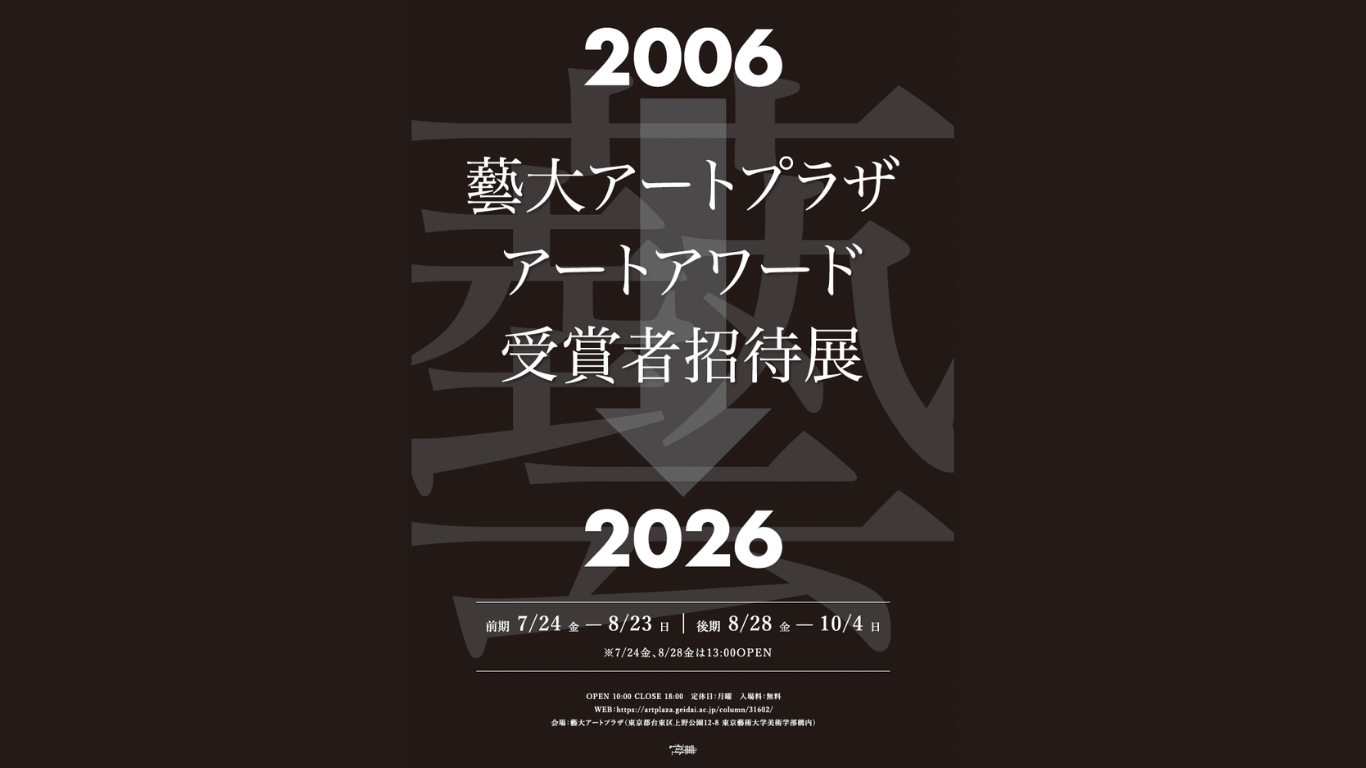
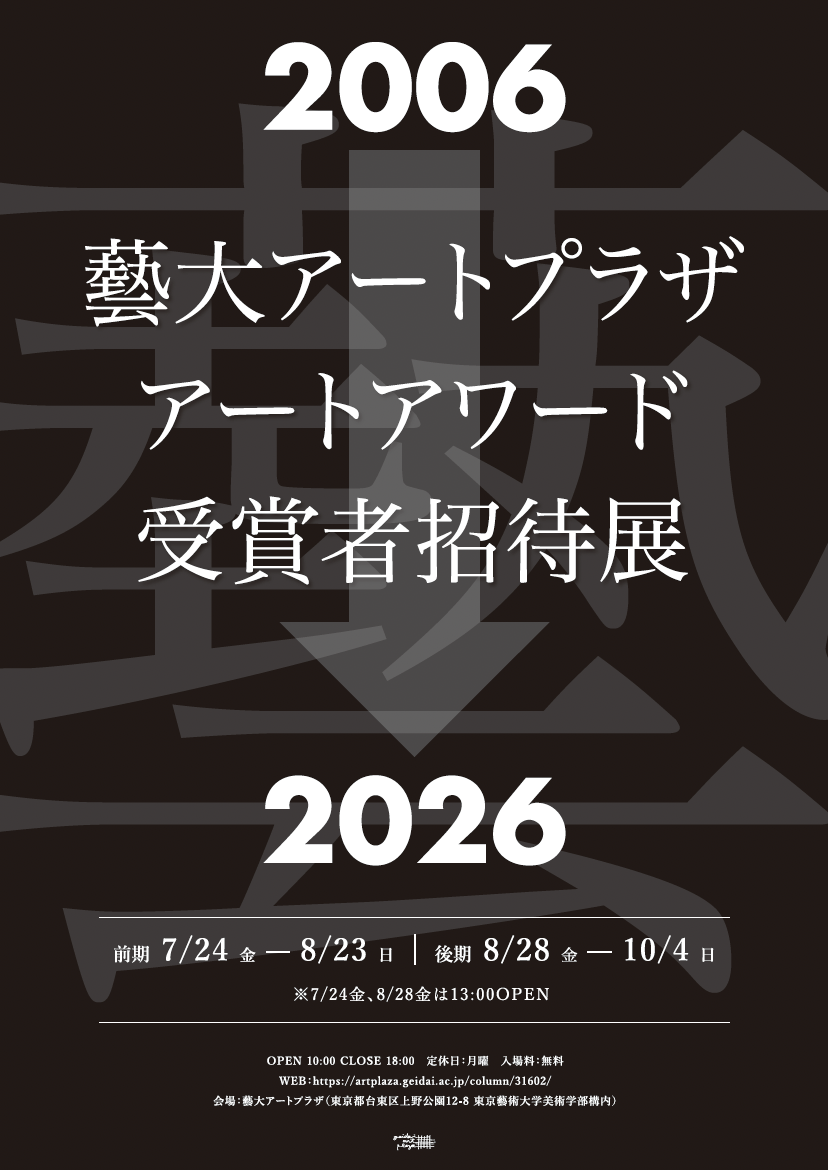
Geidai Art Plaza ( https://artplaza.geidai.ac.jp/ ), a gallery operated on the campus of the Faculty of Fine Arts at Tokyo University of the Arts (Ueno, Taito-ku) as a collaborative project between Shogakukan and Tokyo University of the Arts, will be holding a special exhibition, "Geidai Art Plaza Art Award Winners Invitational Exhibition 2026," from 13:00 on Friday, July 24, 2026.
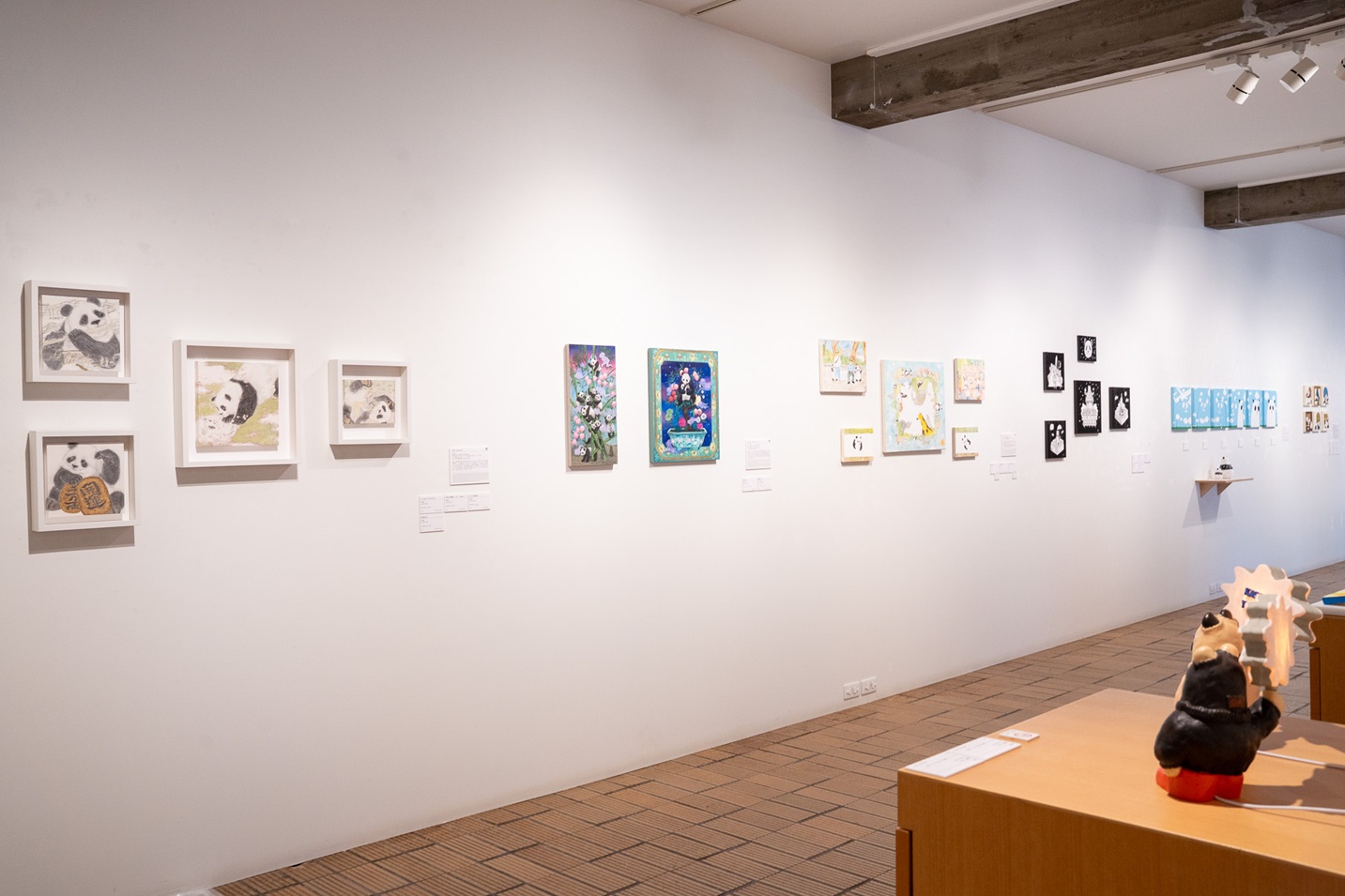
This exhibition features and sells works by Art Plaza Art Award winners from various eras. Admission is free and photography is permitted.
Special Exhibition "Geidai Art Plaza Art Award 2026" to be held on Friday, July 24, 2026
The Geidai Art Plaza Art Award (formerly the Geidai Art Plaza Grand Prize) will celebrate its 20th anniversary in 2025, and is an event that many visitors look forward to every year. This year, we will once again hold an exhibition showcasing new works by award winners of various ages, from current students to alumni who are actively working as artists.
*********************************** "Geidai Art Plaza Art Award 2026" Exhibition announcement page https://artplaza.geidai.ac.jp/column/31602/
***********************************
■ Exhibition Overview Exhibition Title:Special Exhibition "Geidai Art Plaza Art Award 2026"
Venue:Geidai Art Plaza(12-8 Ueno Park, Taito-ku, Tokyo, within the Tokyo University of the Arts Faculty of Fine Arts campus) Date:July 24th (Friday) – October 4th (Sunday), 2026 First half: July 24th (Fri) – August 23rd (Sun), 2026 *Doors open at 13:00 only on July 24th Second half: August 28th (Fri) – October 4th (Sun), 2026 *Doors open at 13:00 only on August 28th
Admission fee: Free Opening hours: 10:00-18:00
Closed on Mondays. *Open on September 21st (Monday) as it is a public holiday.
*Business hours may change. Please check our official website and social media for the latest information.
What is the Tokyo University of the Arts Art Plaza?
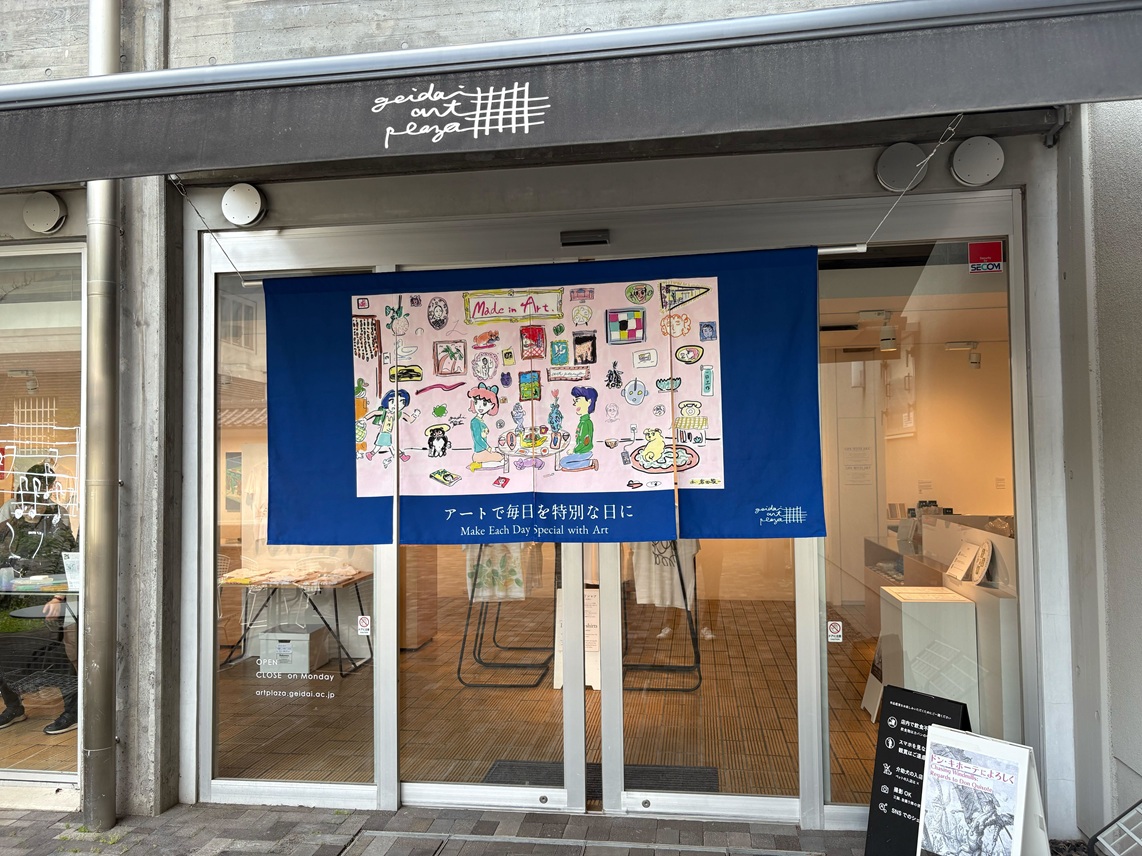
The Geidai Art Plaza is a gallery that exhibits and sells works by faculty, staff, students, and graduates of Tokyo University of the Arts (hereinafter referred to as Geidai), which has produced many top artists. Located on the Geidai Ueno campus, it is one of the few places where the general public can freely enter and visit throughout the year. It was launched in 2018 as a collaborative project between Shogakukan and Geidai.
Currently, the university holds exhibitions with different themes every one to two months. Each exhibition features 10 to 50 artists, bringing together works expressed through a diverse range of techniques and approaches unique to Tokyo University of the Arts, including oil painting, Japanese painting, sculpture, crafts, and design.
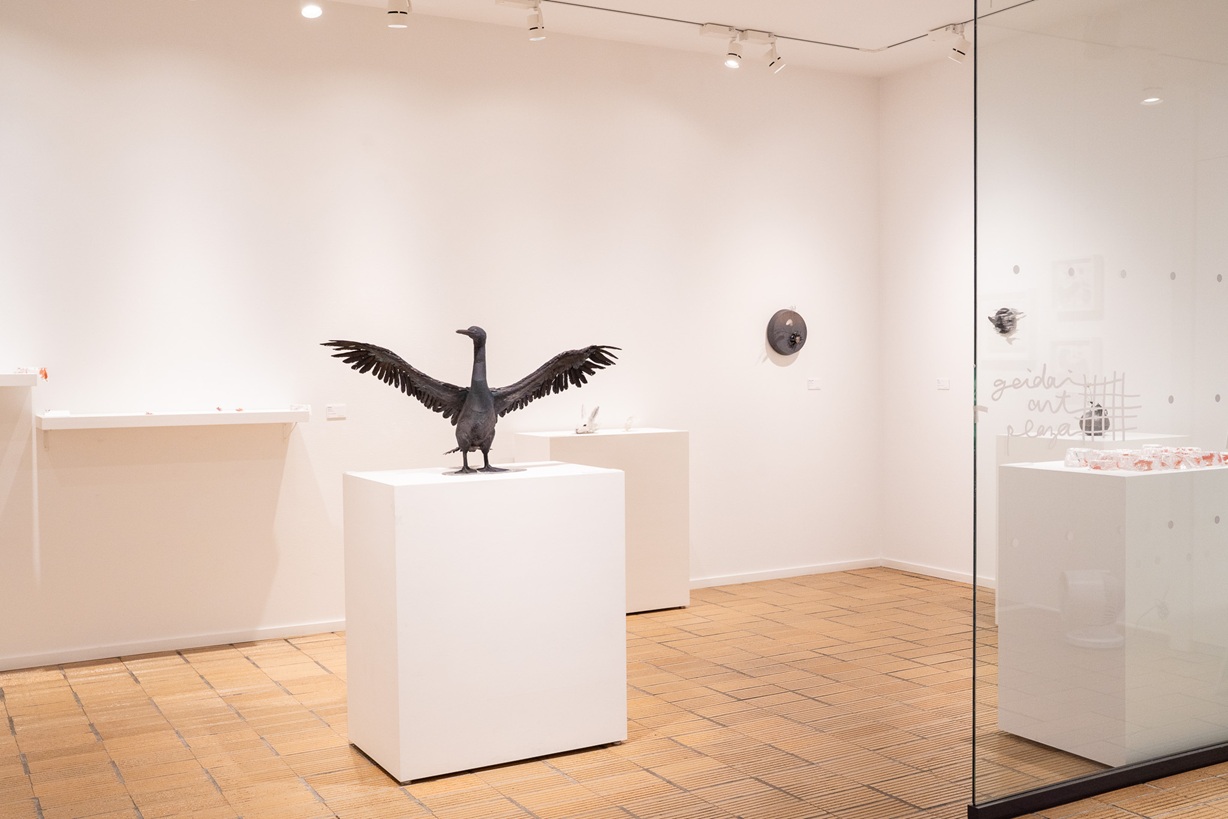
Additionally, the white cube (WC) space at the back of the gallery regularly hosts solo and group exhibitions by faculty, staff, students, and alumni of Tokyo University of the Arts. This offers a different perspective from the planned exhibitions, allowing visitors to delve deeper into the individual expressions of each artist.
Exhibition view from the three-person exhibition "Craft Ecosystem – A World in Kogei – Kaito Kawasaki, Shunsuke Nomura, Rei Mochizuki" held at WC in May 2026. https://artplaza.geidai.ac.jp/column/31552/
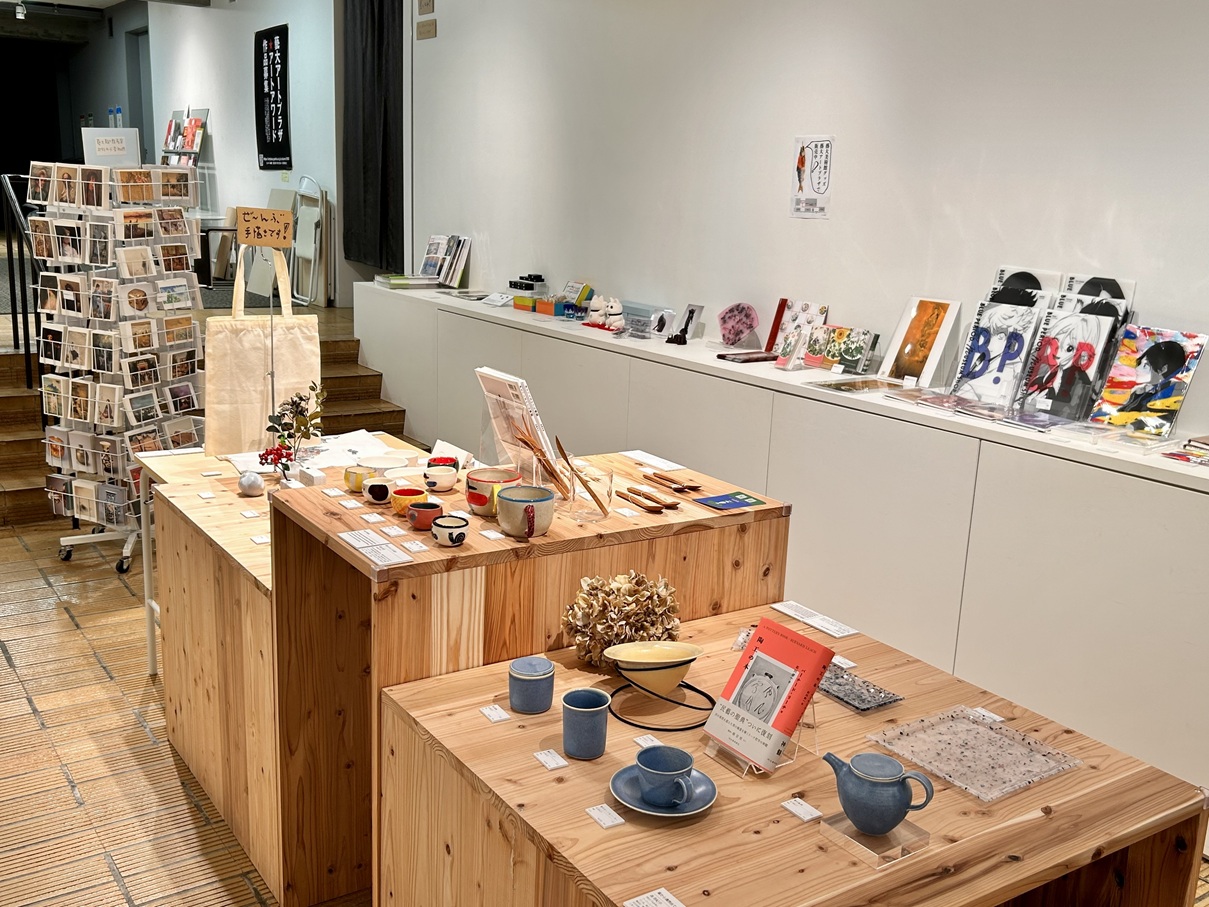
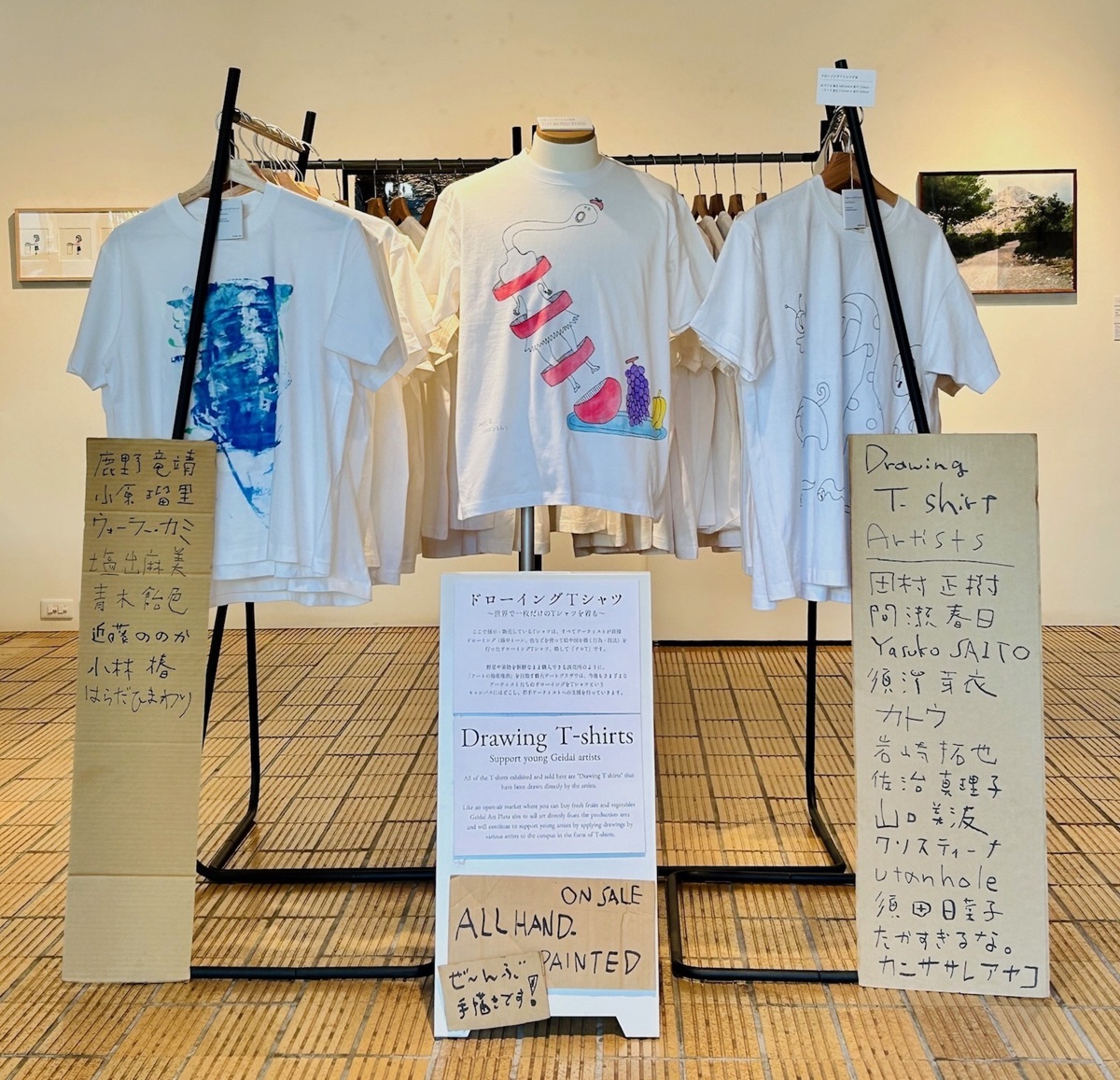
The store features a permanent display corner called "LIFE WITH ART," focusing on art that complements everyday life, such as tableware and accessories. They also carry several "Drawing T-shirts" (commonly known as "Doro-T"), each one unique, featuring drawings directly created by artists from Tokyo University of the Arts. Admission to the Tokyo University of the Arts Art Plaza is free.
We generally welcome photography and sharing on social media. Our aim is to create a place where anyone, not just art fans, can easily experience art.
View of the permanent exhibition corner "LIFE WITH ART"
Drawing T-shirt exhibition view
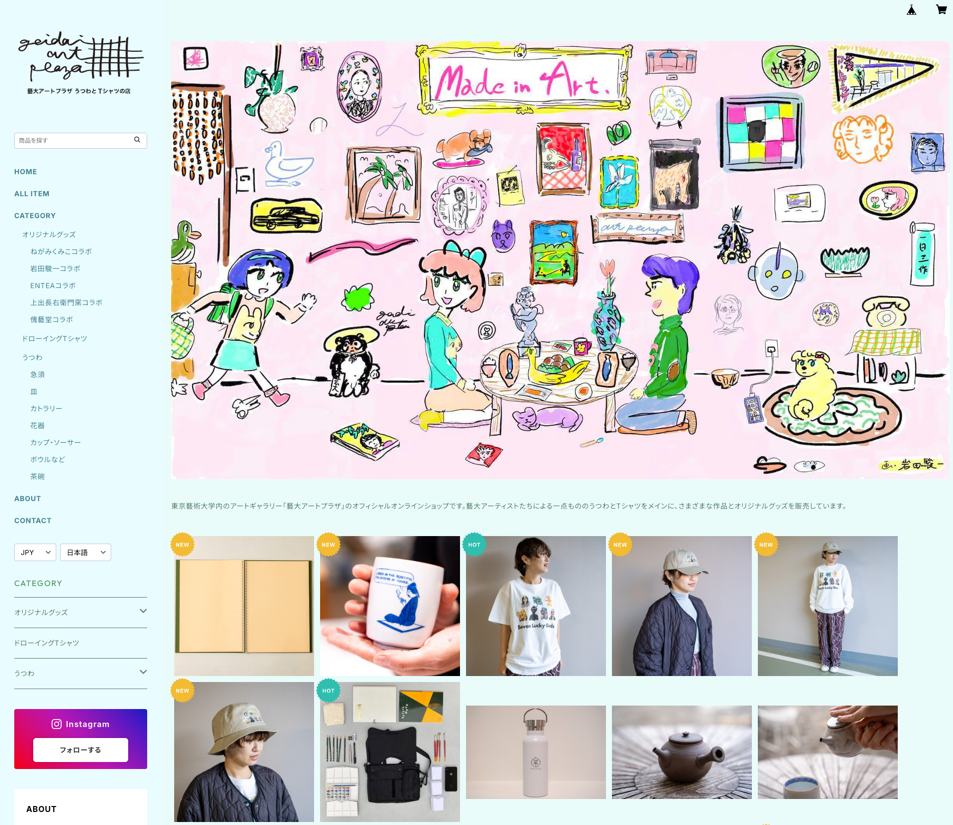
In September 2024, they also opened their official online shop, "The Shop of Tableware and T-Shirts." In addition to one-of-a-kind tableware, cutlery, teapots, and bowls created by artists from Tokyo University of the Arts, they also sell a wide variety of original goods.
Basic Information about Tokyo University of the Arts Art Plaza
■ Access Nearest stations: JR Ueno Station (Park Exit), Uguisudani Station (approximately 10-minute walk)
Get off at Nezu Station on the Tokyo Metro Chiyoda Line and walk for about 10 minutes.
Get off at Ueno Station on the Tokyo Metro Hibiya Line and walk for about 15 minutes.
Get off at Keisei Ueno Station on the Keisei Electric Railway and walk for about 15 minutes.
Take the Toei Bus Route 26 (Kameido to Ueno Park) and get off at Yanaka bus stop. It's about a 3-minute walk from there.
*Please note that there is no parking available, so please refrain from coming by car.
"The Tokyo University of the Arts' Way of Viewing Art – Become a Tokyo University of the Arts Student This Summer" Venue: Tokyo University of the Arts Museum Date: July 24, 2026 (Friday) to September 23, 2026 (Wednesday/Holiday)
The Tokyo University of the Arts Museum (Ueno Park, Tokyo) will be holding "Geidai-style Perspectives on Art – Become an Geidai Student This Summer -" from Friday, July 24th to Wednesday, September 23rd, 2026.
"Geidai-style Art Perspective – Become an Art University Student This Summer" (commonly known as the "Mikata Exhibition") is the inaugural exhibition of a series of events to be held every summer for three years, from 2026 to 2028. This exhibition presents 12 "lectures" given by current faculty members of Tokyo University of the Arts as an "exhibition" within the museum. It offers an unprecedentedly luxurious viewing experience, allowing you to "listen" to art works, primarily from Tokyo University of the Arts' valuable collection, as teaching materials, covering a variety of themes related to art, such as art history, practical skills, expression, appreciation, materials, and conservation and restoration.
We are pleased to announce that the comedy duo Knights will be serving as special tutors for this exhibition. Nobuyuki Tsuchiya will be attending university in April 2026 at the age of 47, and is currently studying art while promoting its appeal. His participation was made possible because of the affinity with the exhibition's theme of "learning about art," based on this experience. The exhibition is structured to resemble a university class, and the "special tutors" have been named to connect visitors with learning and deepen their understanding of the exhibits. Knights will deliver the appeal of the exhibition in an easy-to-understand way from their unique perspective.
This summer, everyone can become an art university student at "Geidai-style Art 'Perspective' – Become an Art University Student This Summer"!
Mikata Exhibition Special Tutors: Knights (Nobuyuki Hanawa, Nobuyuki Tsuchiya)
[Comment upon being appointed as a special tutor] ▼Nobuyuki Hanawa Thank you for selecting me as a special tutor for "Geidai-style Art Perspective – Become an Geidai Student This Summer".
When I searched for "art" on Yahoo, an exchange between a student and a teacher really stuck with me. The student asked, "Even if I'm told to experience first-class art, I don't know what first-class is, and even if others think it's good, I don't think so. What is first-class?" To which the teacher replied, "First-class art is something that truly moves you and that you can admire. If you just follow what everyone says is good, your own heart, which is the most important thing, will die. Discard your preconceptions, and with a blank slate, confront things directly. If you are truly moved as a result, that is 'first-class' for you." I completely agree. As a special tutor, I sincerely hope that you will encounter many moving experiences this summer through the "Mikata Exhibition."
I don't draw pictures at all, but I write more stand-up comedy than anyone else. – From a "second-rate comedian".
▼Nobuyuki Tsuchiya I am very surprised to be appointed as a special tutor for "Geidai-style Art 'Perspective' – Become an Geidai Student This Summer -".
This exhibition is special because it's not just a place to appreciate artwork, but also a place where you can learn about art as if you were taking classes at Tokyo University of the Arts. As someone who has actually experienced the grueling process of getting into art school, I can't help but think, "Why didn't you tell me earlier if I could become a student at Tokyo University of the Arts this summer?!" But the thought of being able to study art at Tokyo University of the Arts is truly like a dream, and I'm already excited.
Knights (Nobuyuki Hanawa, Nobuyuki Tsuchiya) / Profile The comedy duo, consisting of Hanawa (the straight man) and Tsuchiya (the funny man), began their activities in 2001. They are disciples of Keiko Utsumi. They are active in rakugo theaters as members of the Manzai Association, Rakugo Geijutsu Association, and the Sanyutei Koyūzō school. They have many achievements, including reaching the finals of the M-1 Grand Prix, and are active in a wide range of fields, including television and radio. Tsuchiya is currently appearing as a narrator on NHK E Tele's "Mastering Western Art in 3 Months," which began airing in April of this year.
Details for the "Mikata Exhibition" event and workshops have been finalized! Tickets go on sale June 26th (Friday)! Details of the events and workshops for this exhibition have been finalized. Tickets will go on sale from 10:00 AM on Friday, June 26th. The events will include a hands-on experience of "ageutsushi," a Japanese painting copying technique taught in actual lectures by current Tokyo University of the Arts students, an etching experience (a printmaking technique), and workshops for children. No specialized knowledge is required, and it can be enjoyed by children from elementary school age and up, as well as adults.
[Workshop] ●Let's create artwork using animal motifs! (Children's Workshop) Instructor: Sunao Maruyama (Design Department, Design Major)
Become an animal! A crafting workshop for children.
Date and time: August 2nd (Sunday), 1:30 PM
• Price: 1,000 yen / Capacity: 20 people / Duration: 120 minutes / Target audience: Elementary school students and older, up to under 18 years old
● Etching experience (printmaking workshop)
Instructor: Seiichiro Mitsuida (Painting Department, Printmaking Laboratory)
We will perform etching, one of the copperplate engraving techniques.
Date and time: August 5th (Wednesday), 1:00 PM
• Price: 3,000 yen / Capacity: 12 people / Duration: 180 minutes / Target audience: Elementary school students and older
● Copying experience (Japanese painting workshop) Instructor: Keishi Takashima (Department of Painting, Japanese Painting Major)
This workshop offers a hands-on experience of "ageutsushi," a technique for copying Japanese paintings that current students at Tokyo University of the Arts learn in their actual lectures.
・Date and time: August 28th (Friday) 13:00-/15:00-, August 29th (Saturday) 13:00-/15:00- 2 times each day, 4 times in total
• Price: 3,000 yen / Capacity: 15 people per session / Duration: 90 minutes / Target audience: Elementary school students and older
*Please check the official website and ticket sales page for important information regarding participation in the workshop.
• Ticket sales start date: June 26th (Fri) 10:00 AM (first-come, first-served basis)
• Ticket sales outlet: Art Exhibition Navi Ticket App (credit card payment only)
*You will need to download the "Art Exhibition Navi Ticket App" in advance. https://aejtickets.api.yomiuri.co.jp
【event】 ● Mini Concert We will be holding a mini-concert by two students from the Instrumental Music Department of the Graduate School of Music at Tokyo University of the Arts.
Date and time: July 28th (Tue), 2 PM
Venue: Entrance Hall, Tokyo University of the Arts University Art Museum
• Program: Duet for Violin and Viola in G major, K.423
• Admission: Free (however, a ticket for the day is required)
*No advance registration is required. Please come directly to the venue on the day of the event.
*Participation may be limited depending on the number of participants.
● Mini-lectures by university lecturers A short lecture (approximately 20 minutes) about the exhibition will be given by the curator in charge and an instructor.
• Date and Time: Wednesday, July 29th, 3:00 PM onwards; Ryo Furuta (General Supervisor, University Art Museum)
August 12th (Wednesday) 3:00pm – Takashi Murakami (University Art Museum)
Friday, September 11th, 3:00 PM – Yasushi Okada (Specialization in Cultural Heritage Conservation)
Venue: Entrance Hall, Tokyo University of the Arts University Art Museum
• Admission: Free (however, a ticket for the day is required)
*No advance registration is required. Please come directly to the venue on the day of the event.
*Participation may be limited depending on the number of participants.
●Museum Start A-I-U-E-O related projects This three-day program allows you to encounter the perspectives of professors, students, and artists from Tokyo University of the Arts, and explore your own unique perspective. Together with Professor Takenori Miyamoto (Oil Painting Major, Painting Department) and Professor Sunao Maruyama (Design Major, Design Department), who are in charge of the exhibition's lectures, we will look at the artworks, put our feelings into words, and engage in activities to express ourselves. • Dates: August 21st (Fri) – 23rd (Sun)
• Target age: 15-18 years old (University students are not eligible)
• Capacity: 20 people
– Participation requirements: Participants must be able to attend all three days.
• Participation fee: Free
Application deadline: July 30th (Thursday)
*Please check the official website of Aiue for details on how to apply. https://museum-start.jp/program/family/mikatalabo
[Special Ticket Information] Advance tickets are selling fast! Parents and children alike can become "art university students" this summer?! ●Parent-child ticketprice: 2,100 yen This ticket set includes one general admission ticket and one admission ticket for junior high/high school students.
It is also possible to enter on separate days. • Sales outlet: Seven Tickets • Sales period: On sale now until September 23rd (Wednesday, public holiday) 15:00
Join your fellow students! Let's become "Geidai students" together!
●Friend Discount: Pair of university student admission tickets – Price: 1,900 yen Junior high and high school student admission ticket pair: Price 900 yen You can purchase discounted pair tickets for university students or junior/senior high school students. Entry on separate days is also possible.
• Sales outlet: Seven Tickets
• Sales period: On sale now until September 23rd (Wednesday, public holiday) 15:00
\Additional announcement of special tickets with fun perks for the "Mikata Exhibition"!/ Additional tickets will be available from 10:00 AM on Wednesday, July 1st.
Ticket with Mikata Exhibition Completion Test (Quiz Rally)
This ticket includes a completion exam (quiz rally) related to the lectures and exhibited works. At the venue, you can get a performance stamp based on your correct answer rate, and all purchasers will receive a certificate sticker!
●Both advance and same-day tickets cost the regular price + 500 yen.
●Release date: July 1st (Wed) 10:00 AM
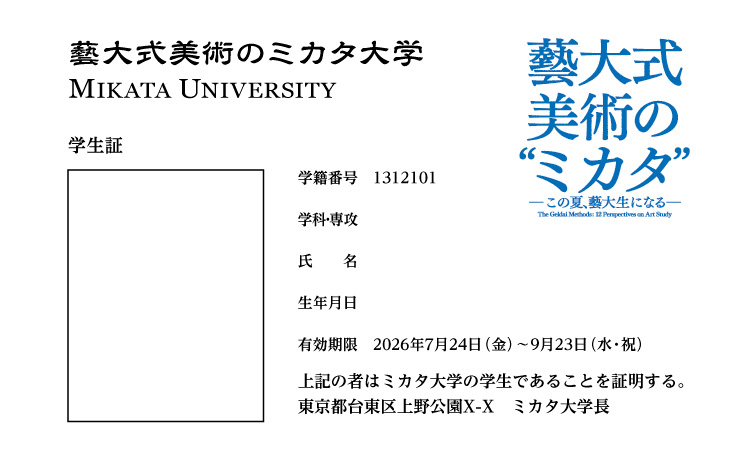
Student ID included ticket
The ticket comes with a printed "student ID" form that you can use to write in your portrait, name, and other details. Present the printed "student ID" form at the venue to receive a random official merchandise postcard.
●Both advance and same-day tickets cost the regular price + 300 yen.
●Release date: July 1st (Wed) 10:00 AM
*Image is for illustrative purposes only.
[Highlights of this exhibition] 1. Take university lectures as part of an exhibition! Tokyo University of the Arts is a hub for artistic geniuses and prodigies. But what kind of classes are offered there? From practical training to lectures, this is a unique opportunity to experience a part of art education at Tokyo University of the Arts. This is the first attempt to "exhibit" various "lectures" designed for an exhibition within the museum. You can "take" lectures such as "Basic Painting Practice" and "Introduction to Western Art History" simply by viewing the exhibition!
2. As an intensive summer course, as an experiential learning activity during summer vacation This exhibition, themed around university lectures, is designed to be easily understood by both adults and children, focusing on actual works of art. Several interactive exhibits are available for families to enjoy together. Workshops will also be held during the exhibition period. Why not delve deeper into a lecture that interests you and use it as a summer vacation project?
3. Learn how to appreciate art through authentic works! Although it's presented as a class, it's not a lecture using slides. It's a class using real art, including numerous masterpieces such as Yuki Ogura's representative work "Path." In addition to works by past professors such as Seiki Kuroda, Eisaku Wada, and Tanaka Hirakushi, and alumni such as Tsuguharu Fujita, you can learn how to "look" at art through the diverse Tokyo University of the Arts collection, ranging from works by Van Gogh to works by students.
[Event Overview] Exhibition Title: Geidai-style "Perspective" on Art – Become a Geidai student this summer –
Date: July 24, 2026 (Friday) to September 23, 2026 (Wednesday/holiday)
Closed on Mondays (except August 10th (Mon) and September 21st (Mon/National Holiday)).
Opening hours: 10:00 AM to 5:00 PM (Last entry 30 minutes before closing)
Venue: Tokyo University of the Arts University Art Museum Main Building Exhibition Rooms 1, 2, 3, 4 [Ueno Park, Tokyo]
[Location] 12-8 Ueno Koen, Taito-ku, Tokyo 110-8714
Admission fee (tax included): General admission 2,000 yen (1,800 yen)
University students: 1,200 yen (1,000 yen)
Junior and senior high school students: 600 yen (500 yen)
*Prices in parentheses are advance ticket prices.
*Free for elementary school children and younger.
*Admission is free for persons with disabilities and one accompanying caregiver.
(Please present your disability certificate or similar document upon entry.)
<Sales Schedule>
▽Advance tickets: On sale now until July 23rd (Thu) 23:59
▽Same-day ticket: July 24, 2026 (Friday) 0:00 to September 23, 2026 (Wednesday/Holiday) 16:30
*Please note that the sales period and entry system may be changed due to crowd conditions or other circumstances.
Organizers: Tokyo University of the Arts, Yomiuri Shimbun
For inquiries: 050-5541-8600 (Hello Dial)
Official website: https://geidai-art-mikata.jp
Tokyo University of the Arts Museum official website: https://museum.geidai.ac.jp
[Faculty members participating in this exhibition] *In alphabetical order
Daigo Ushijima (Department of Advanced Art Expression, Advanced Art Expression Major)
Yasushi Okada (Specializing in Cultural Heritage Conservation)
Hiroshi Kumazawa (University Art Museum)
Naoki Sato (Department of Art Studies, Major in Art Studies)
Keishi Takashima (Department of Painting, Japanese Painting Major)
Tomoko Taguchi and Xue Ni (Future Creation and Inheritance Center)
Ryo Furuta (General Supervisor, University Art Museum)
Sunao Maruyama (Design major, Design Department)
Seiichiro Mitsuida (Painting Department, Printmaking Laboratory)
Takenori Miyamoto (Department of Painting, Oil Painting Major)
Kei Murakami (University Art Museum)
[From the press release of the "Geidai-style Art Perspective" Secretariat]