
National Museum of Nature and Science
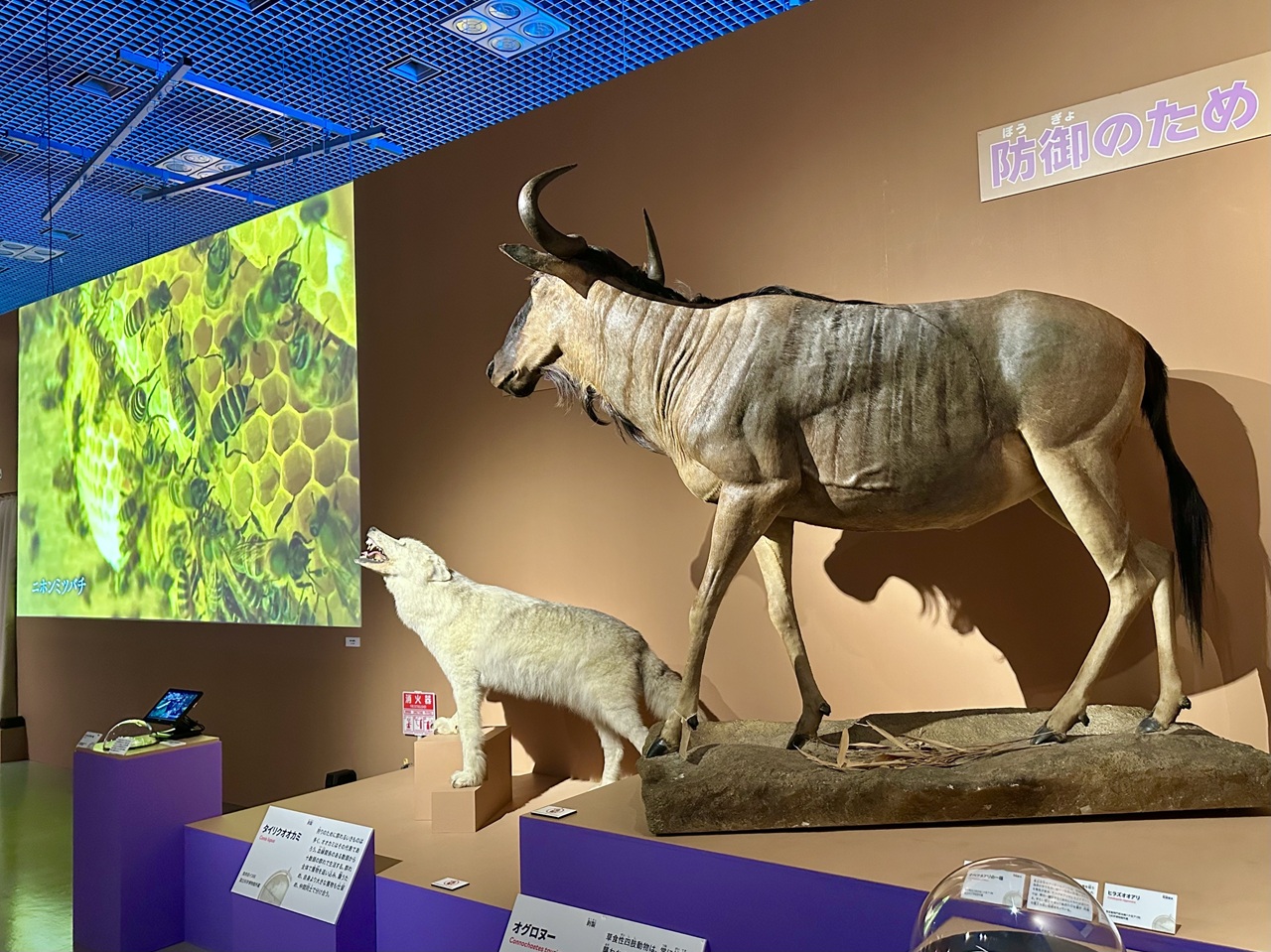
The National Museum of Nature and Science in Ueno, Tokyo, is currently hosting a special exhibition , “The Super World of Living Things: National Museum of Nature and Science x Darwin’s Coming!”, a joint project with NHK’s nature program “Darwin’s Coming!” . The exhibition runs until October 12, 2026 (Monday, public holiday).
At the press preview held prior to the exhibition, talent Masaki Aiba, who serves as the exhibition’s navigator, also made an appearance. Here is a report on the event.
This exhibition focuses on the “survival strategies” that living things have honed through continuous adaptation and evolution to the ever-changing environment from ancient times to the present day. In addition to specimens from the National Museum of Nature and Science’s collection and the latest research findings, it showcases powerful footage of living things surviving in the great outdoors, a project undertaken over many years by NHK’s film crew.
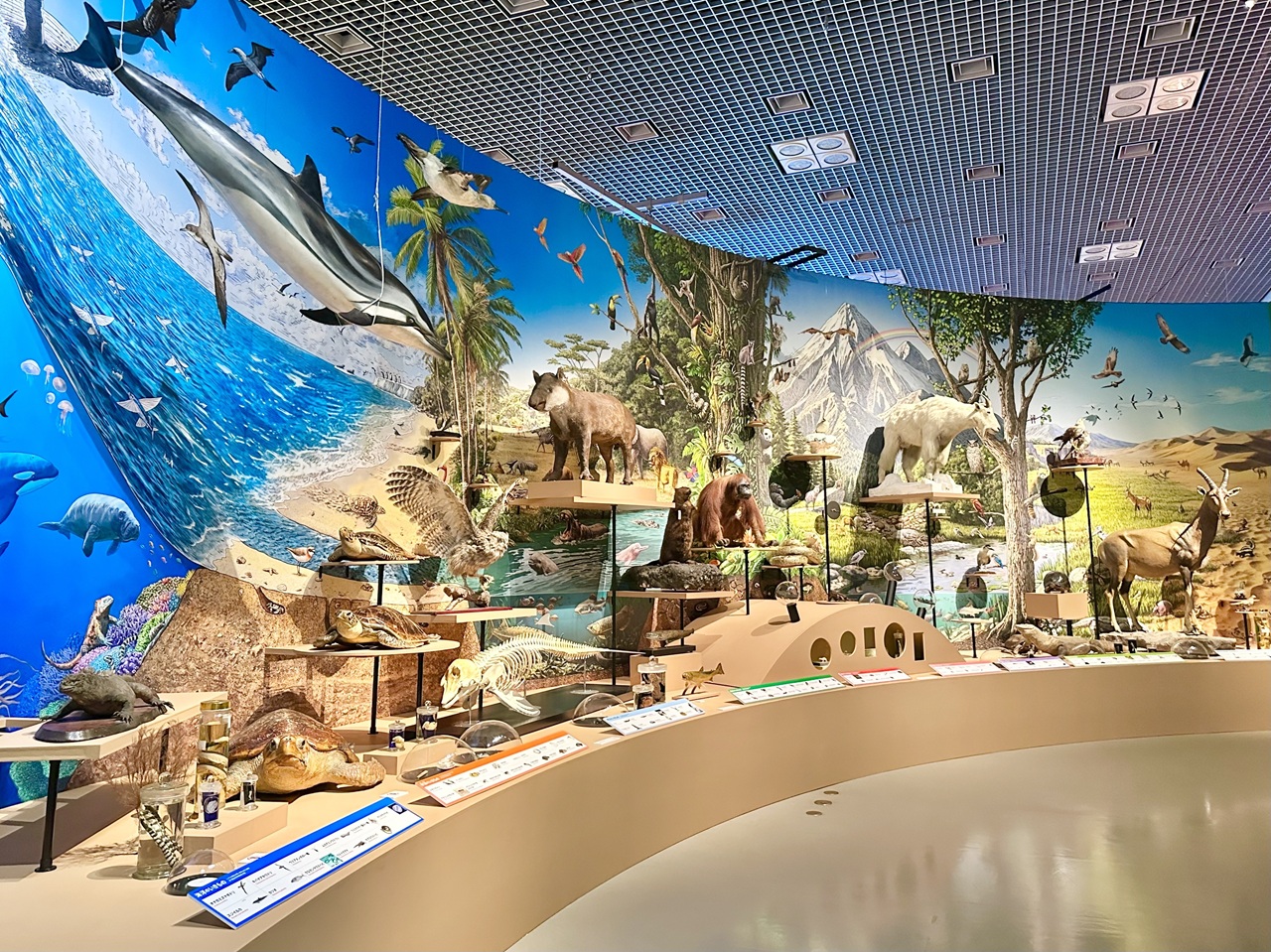
The introduction features a wide array of animals, from large mammals representing diverse habitats on Earth such as grasslands, mountains, forests, deserts, and oceans, to tiny insects. A breathtaking panoramic display combining taxidermied specimens and skeletal specimens welcomes visitors.
Experience the reality of survival strategies through the synergistic effect of specimens and video.
The exhibition is composed of six chapters, each themed around the five senses, energy replenishment, size, movement, social structures, and the passing on of life in living creatures . Chapter 1 focuses on the five senses, which are essential sensors for survival.
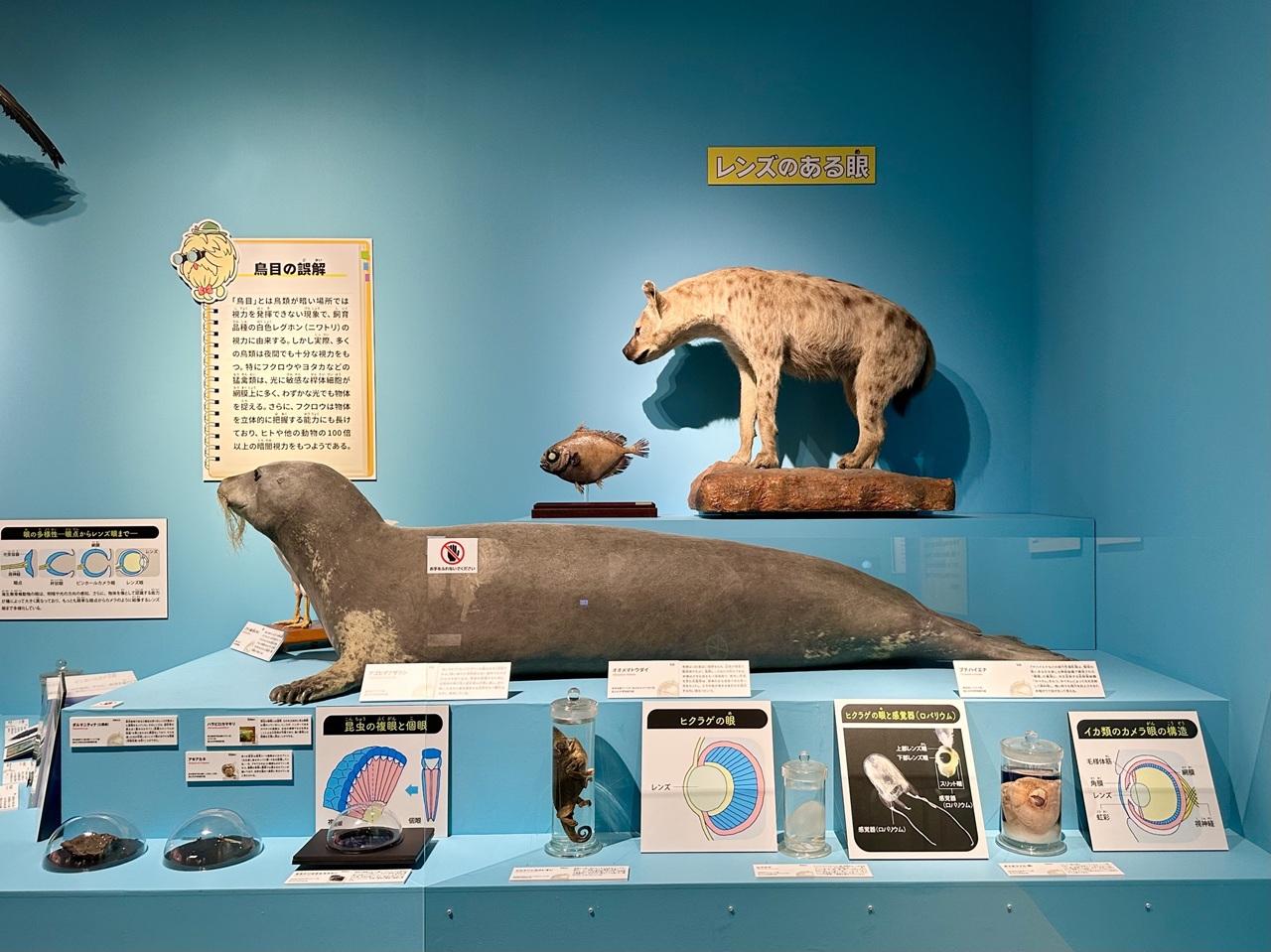
For example, in the “taste” section, it is explained that the sense of taste has evolved to detect sweetness (sugar) and umami (food organisms) in order to obtain the necessary energy sources, and to avoid dangerous things that threaten survival (poison: bitterness, spoilage: sourness). You can learn not only about the tongue, but also what parts of the body living things use to “taste.”
What surprised me was that while we humans derive feelings of happiness and satisfaction from the umami taste (glutamic acid and inosinic acid) on our tongues, it’s actually not a particularly important taste for other living things. In harsh natural environments, choosing food based on umami can actually be detrimental.
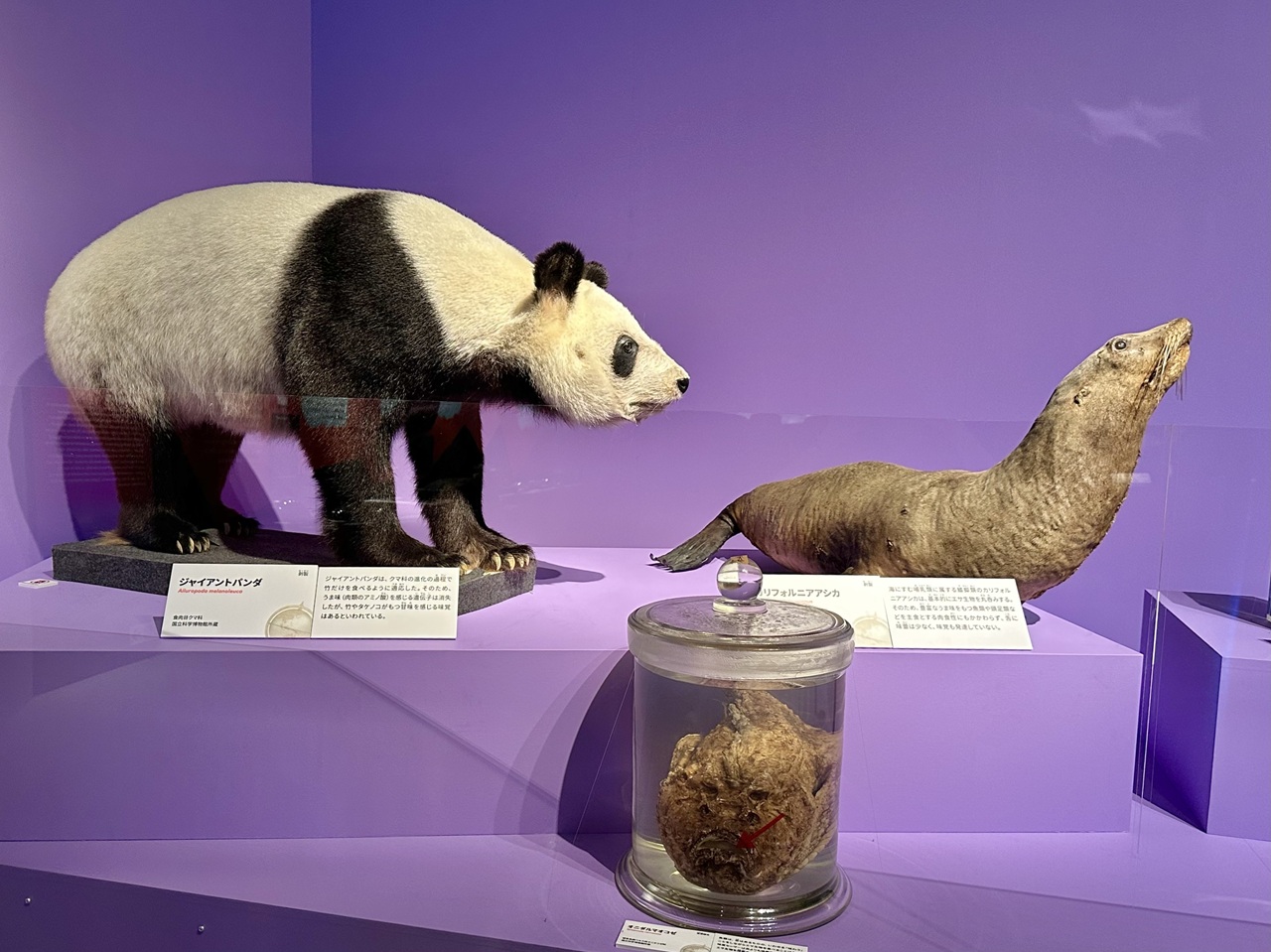
Speaking of mammals like humans, giant pandas, which evolved from carnivores to bamboo eaters, and California sea lions, which swallow their prey whole, are said to have poor taste perception. Leaving aside giant pandas, the California sea lions, whose main diet consists of flavorful fish, seem to have no regard for the taste, and as a Japanese person who loves fish, I can’t help but feel it’s a waste!
The following Chapter 2 focuses on “energy replenishment,” exploring hunting strategies and methods for utilizing energy.
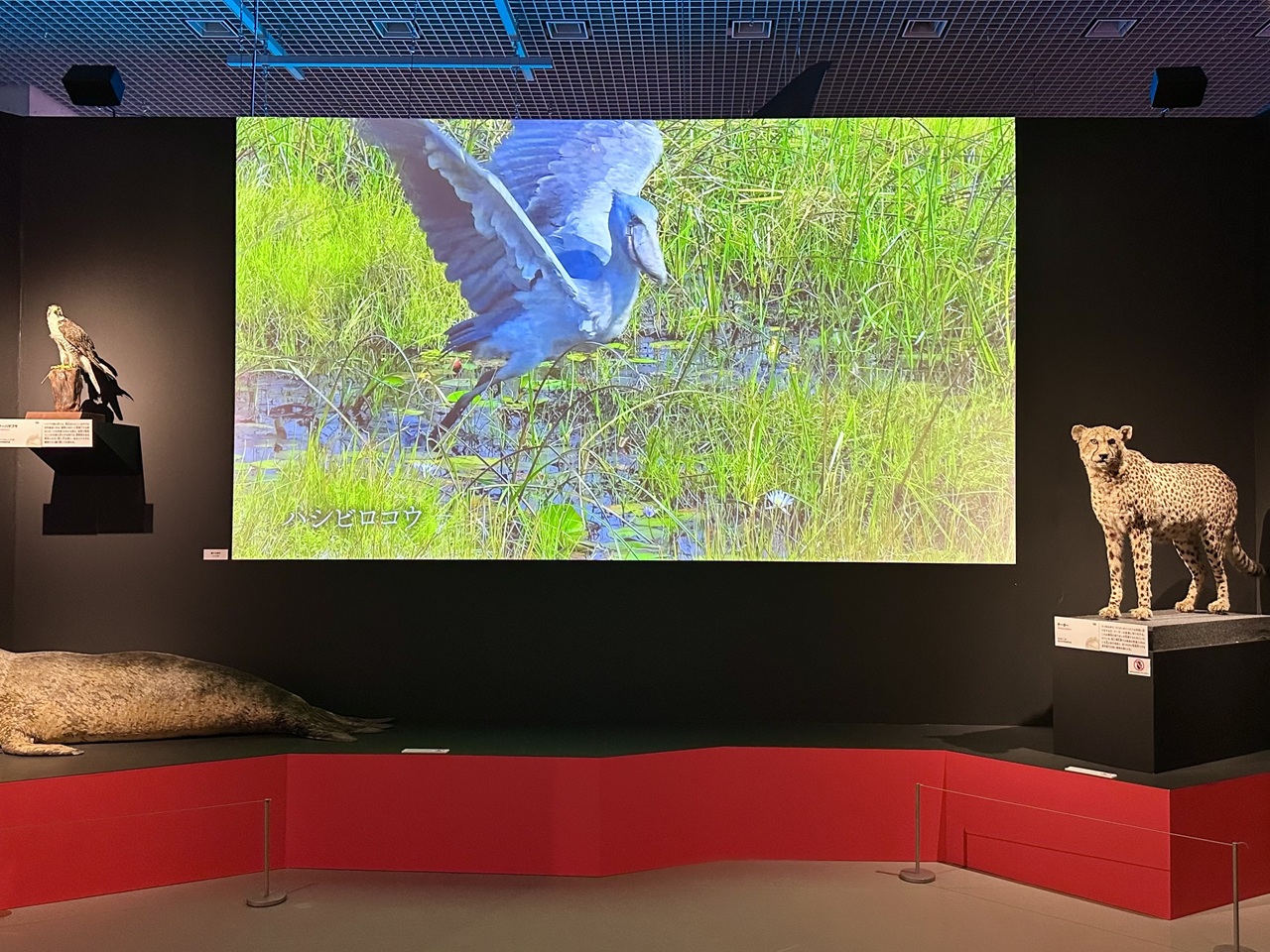
One of the highlights is the large monitor showing a collection of thrilling predation scenes. Shoebills patiently wait for hours for fish to surface. Cheetahs chase their prey with speeds reaching 110 km/h. Octopuses come ashore to hunt crabs and other creatures, performing spectacular jumps. Every scene conveys the tenacity of the photographers who continued to capture these decisive moments.
The immersive footage from “Darwin’s Coming!” complements the actual sense of speed and body movements that cannot be fully captured by specimens and explanatory panels alone, deepening understanding even further. This exhibition structure is arguably the most appealing aspect of this exhibition.
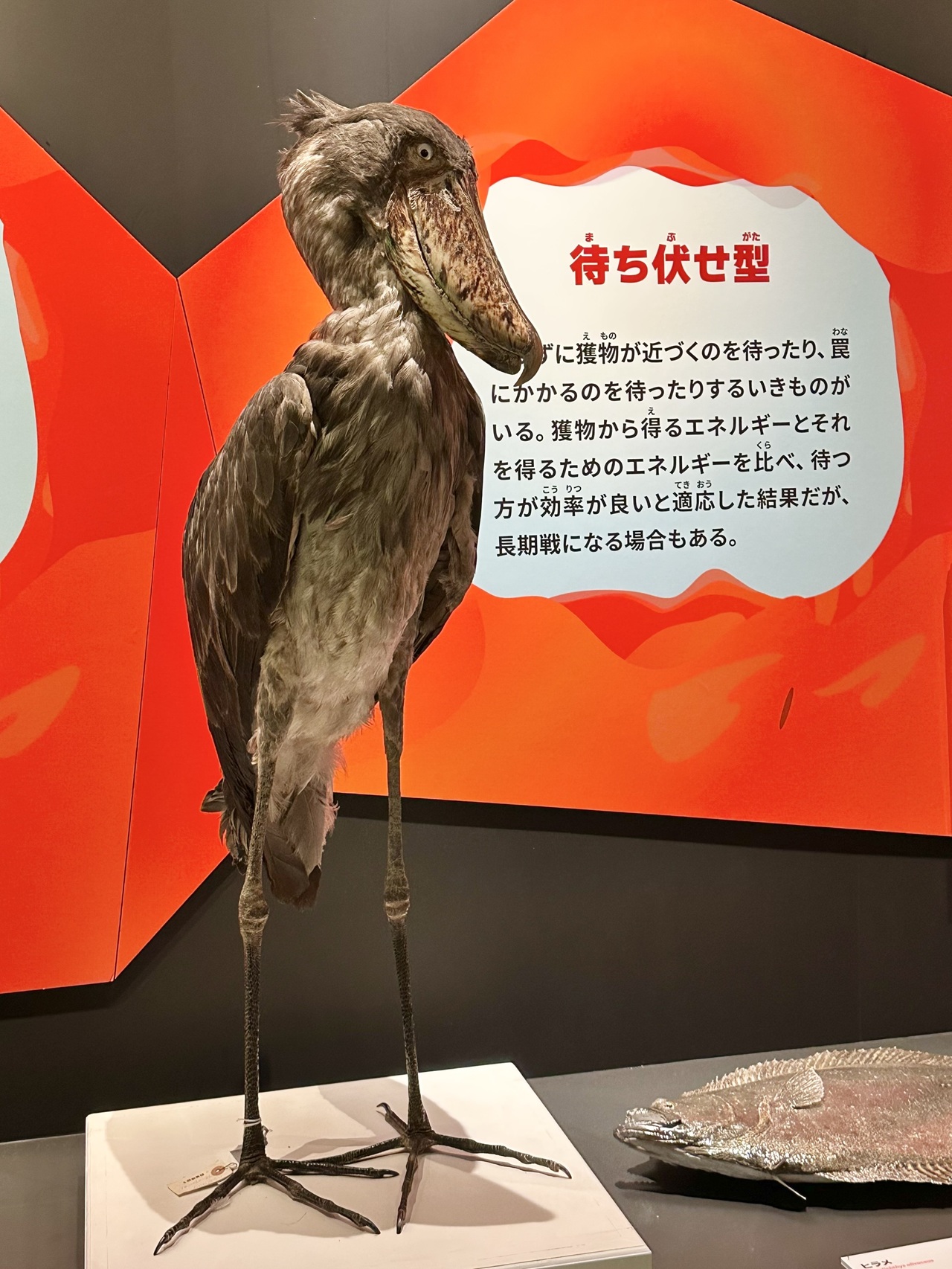
This chapter also deals with “picky eating.” It’s not simply a matter of likes and dislikes; like the koala that eats poisonous eucalyptus leaves, being able to adapt to foods that others avoid allows one to monopolize them without competing with rivals—a brilliant survival strategy.
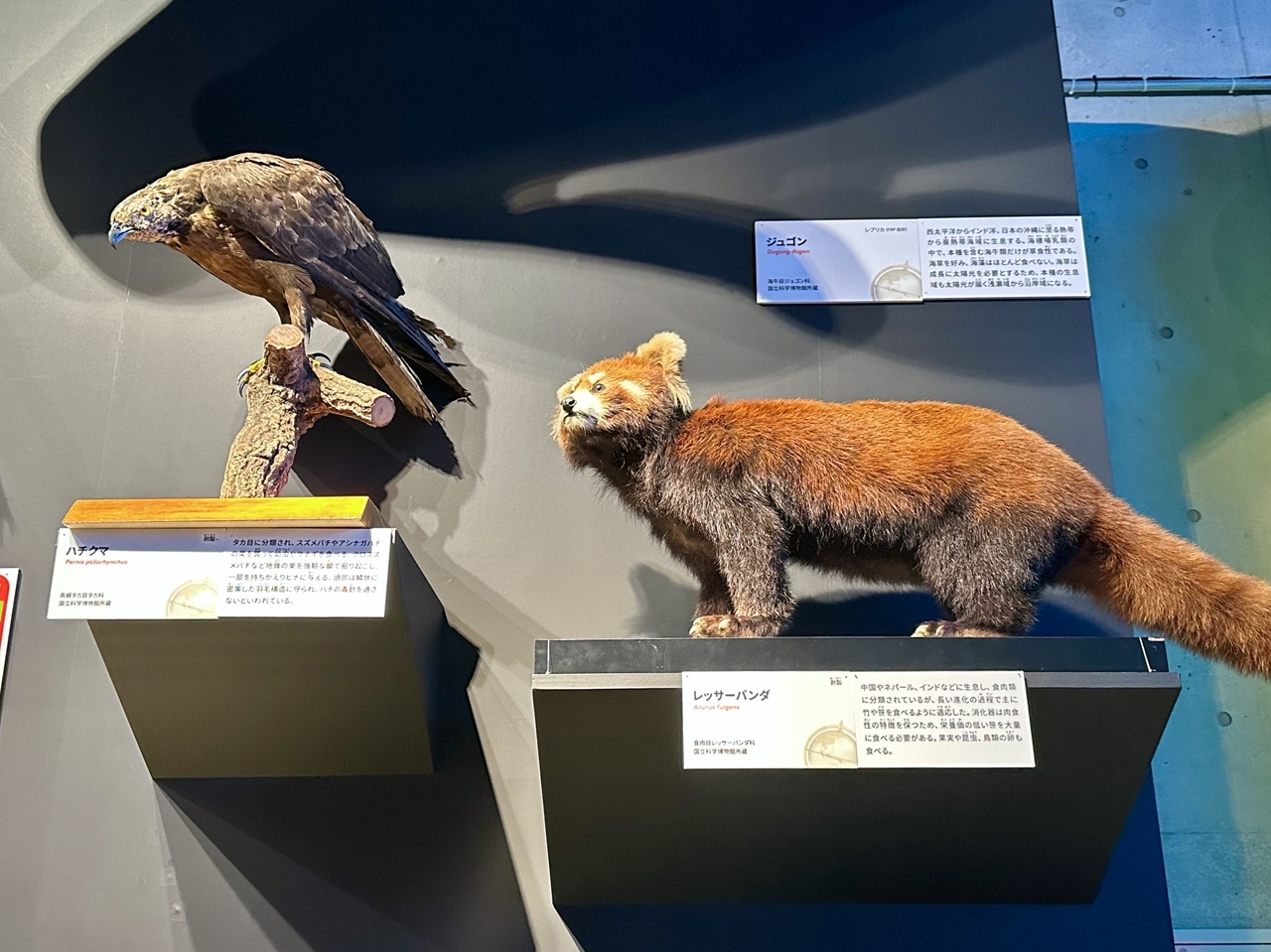
The honey buzzard, a member of the hawk family, also has a truly unique ecology. They raid and eat the nests of ferocious wasps and other insects, and to protect their heads, which they use to penetrate the nests, from the stingers of wasps, they have a dense, scale-like structure of feathers. This thorough rationality, which has resulted from their extremely selective diet, even altering the structure of their heads, is truly astonishing and makes you wonder, “They went to such lengths?”
From blue whales to grains of sand, the sheer scale of it is overwhelming.
One of the most striking exhibits at the venue was the replica skeleton of Pyramiodontherium, a close relative of Megatherium, the largest extinct sloth, displayed in Chapter 3, which focused on the theme of “size.” (Actual fossils were also on display.) Its immense size was immediately apparent when compared to the skeleton of a modern three-toed sloth placed next to it. Large individuals are said to have reached a staggering 4 meters in length and weighed 1.8 tons.
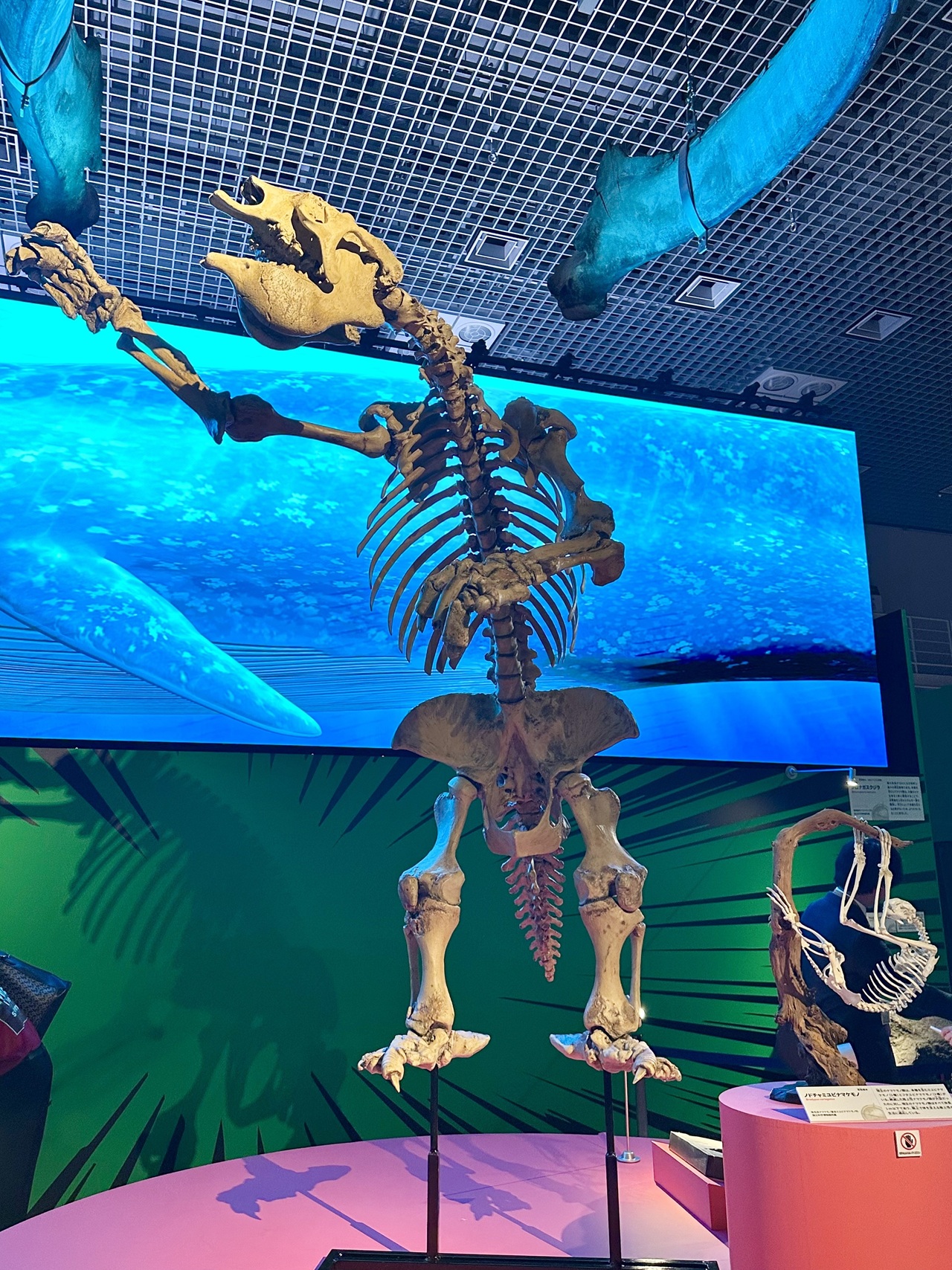
While large terrestrial sloths have become extinct, all extant sloths are small, less than 1 meter in length, and are arboreal. Although larger size might suggest greater strength and an advantage, survival isn’t everything. Being the right size for the environment seems to be a crucial survival strategy.
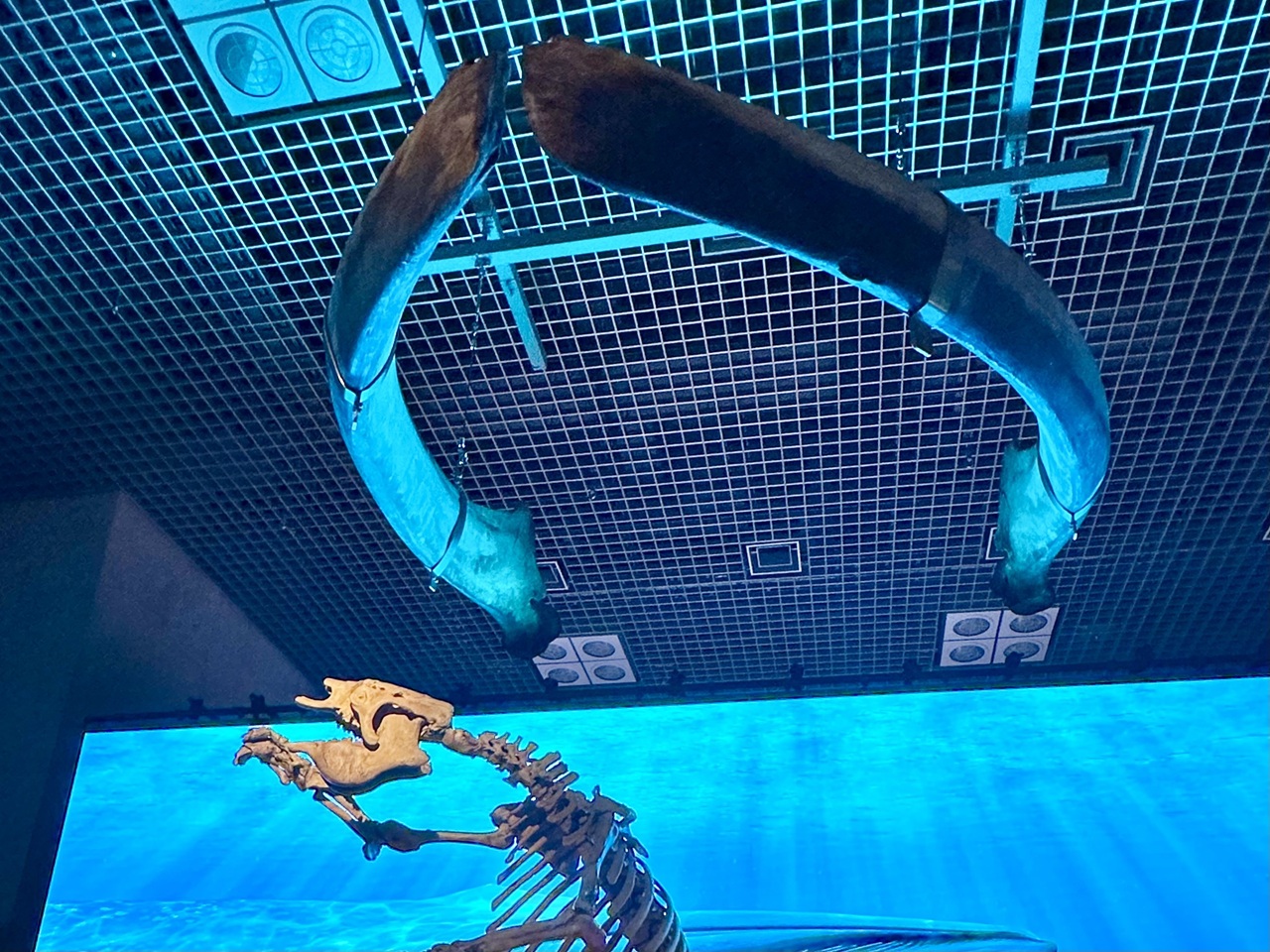
A mysterious arch-shaped object floats above the Pyramidodontherium. At first, I thought it was just decoration, but to my surprise, I learned it was the gigantic lower jawbone of a blue whale, the largest living animal on Earth, which can reach a maximum length of approximately 33 meters. It is said that the burden of supporting its own weight is great on land, but the burden is lightened by buoyancy in water, which allows it to grow to such a large size. Standing beneath the bone and looking up, you can feel its extraordinary scale with your whole body.
Just as you are overwhelmed by the giant skeletons, your eyes will be drawn to the exhibit of “meiobenthos,” the smallest living marine invertebrates (a general term for microscopic organisms measuring approximately 0.031 to 1 mm). This is an ultra-microscopic world where more than 100 individuals can live in a handful of sand on a beach, and this extreme range of scales is one of the unique charms of this exhibition, which transcends species and genres.
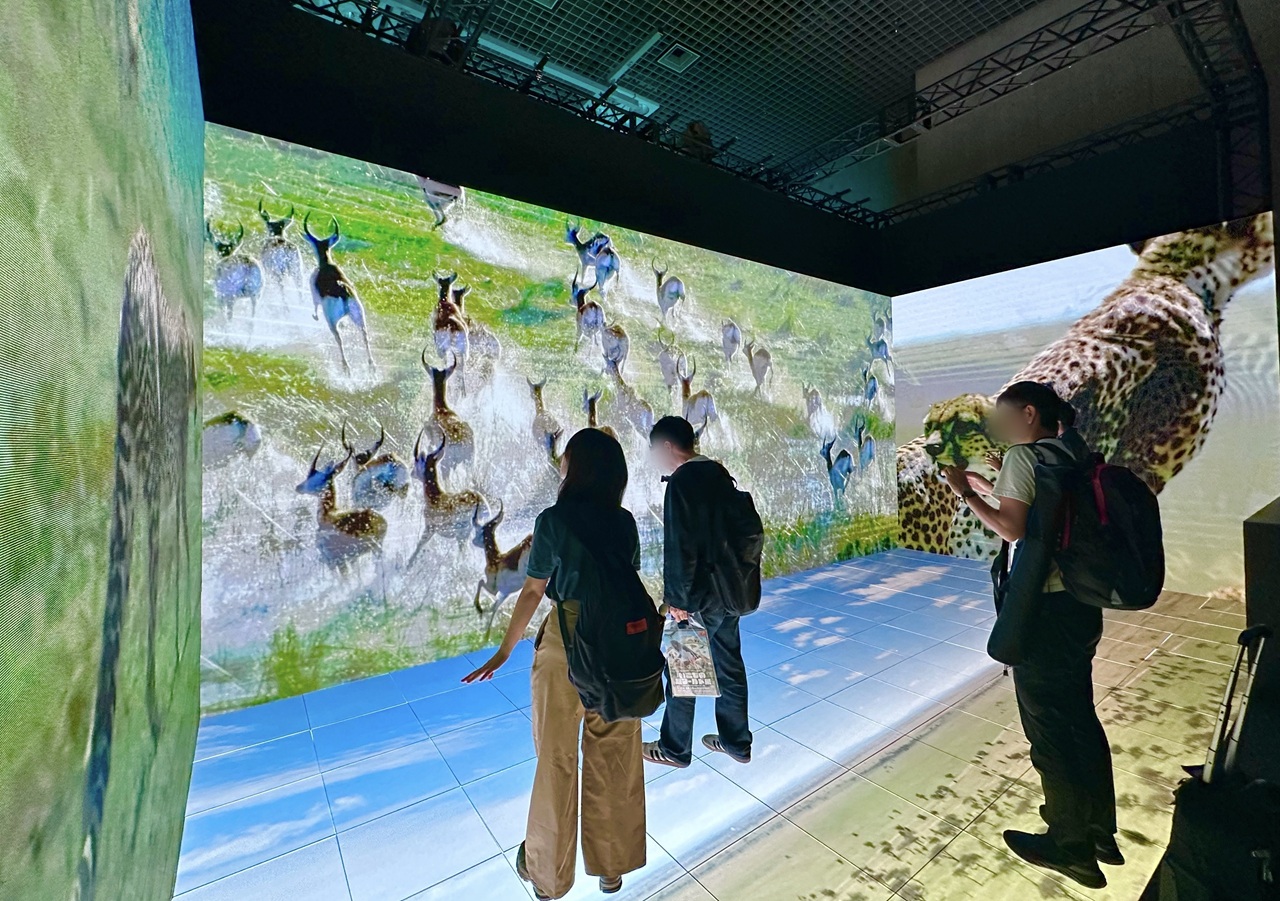
Between chapters 1 and 4, a “Great Nature Super Immersion Theater” (2 minutes 05 seconds) appears, utilizing four large monitors that extend to the floor. The beauty of nature captured in high-definition images and the creatures in action in the wild leaves you speechless for a moment. The feeling of flying through the air is pleasant, and it’s a very relaxing space.
Chapter 4 focuses on “movement.” While many creatures move on their own by walking, flying, or swimming, the chapter also introduces a unique strategy of “hijacking onto others.”
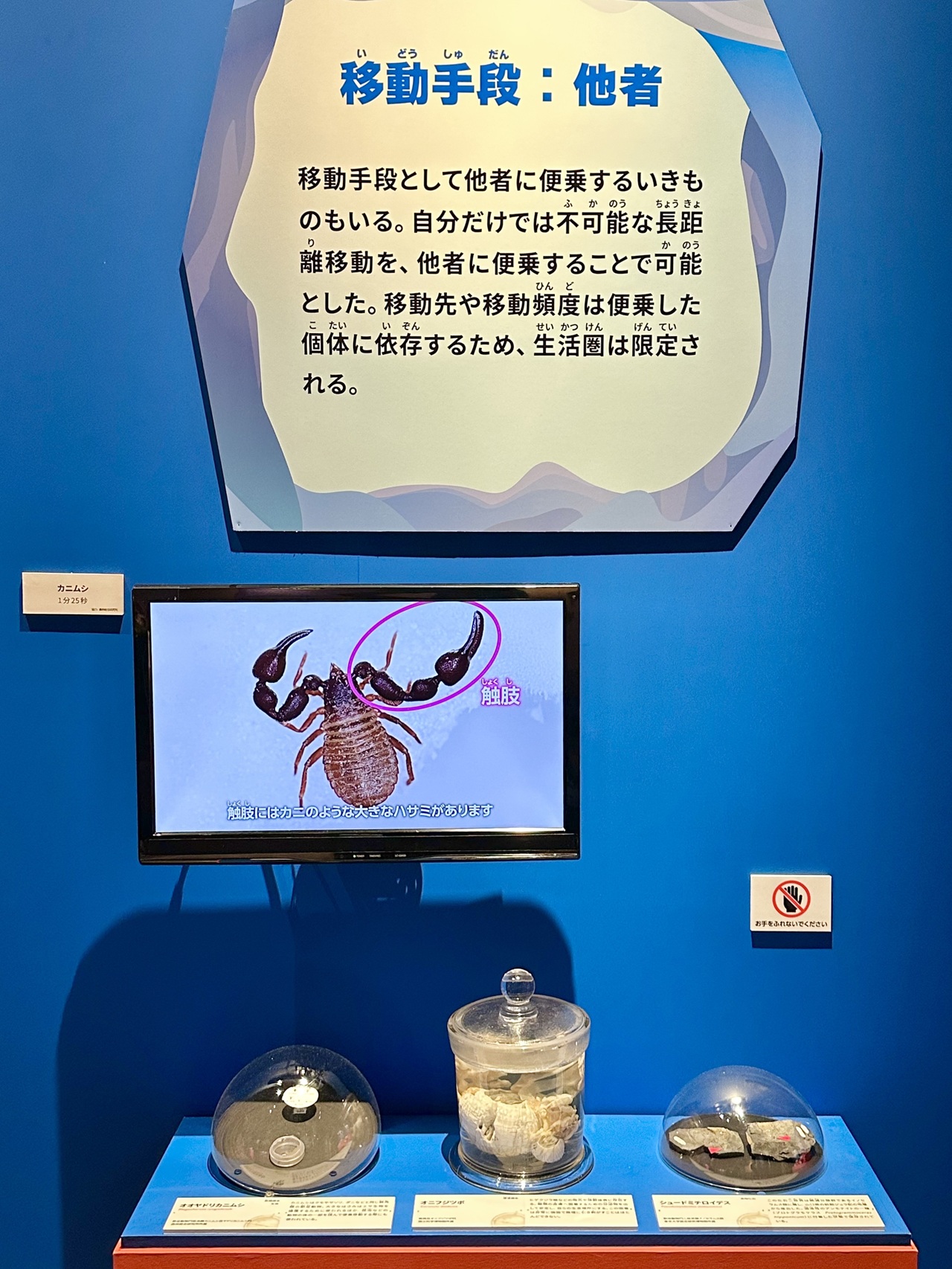
For example, recent research has revealed that pseudoscorpions, an arthropod, travel from burrow to burrow by riding on the bodies of mice. Furthermore, they prey on parasites and pests such as ticks, fleas, and centipedes in the burrows they visit. This exhibit is interesting because it suggests the possibility of a symbiotic relationship where both parties benefit, rather than simply a one-sided “piggyback ride.”
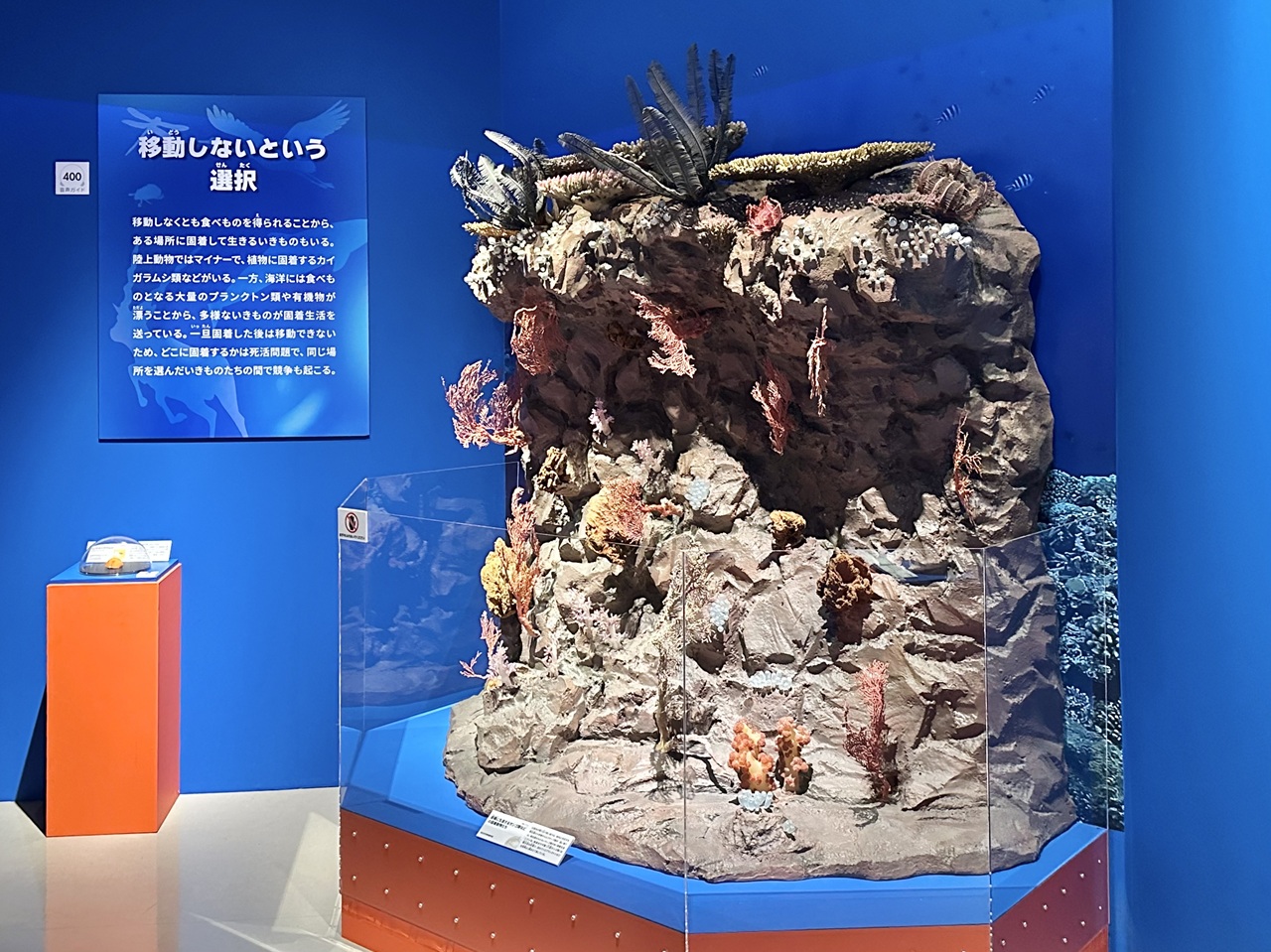
Furthermore, the ocean, teeming with plankton and organic matter, is like a nutrient-rich soup. As a result, many creatures, like the corals on display, make the bold choice to “not move.” However, once they settle down, they cannot move, and where they choose to live becomes a matter of life and death. Popular locations also involve competition with rivals, so it was clear that “not moving” does not necessarily mean “it’s easy.”
Is “cuteness” also a survival strategy? Towards the grand objective of reproduction.
Chapter 5 explores the significance of “groups” of living things, and Chapter 6 examines various aspects of the “baton of life” that nurtures the next generation, but the common keyword in both is “reproduction.”
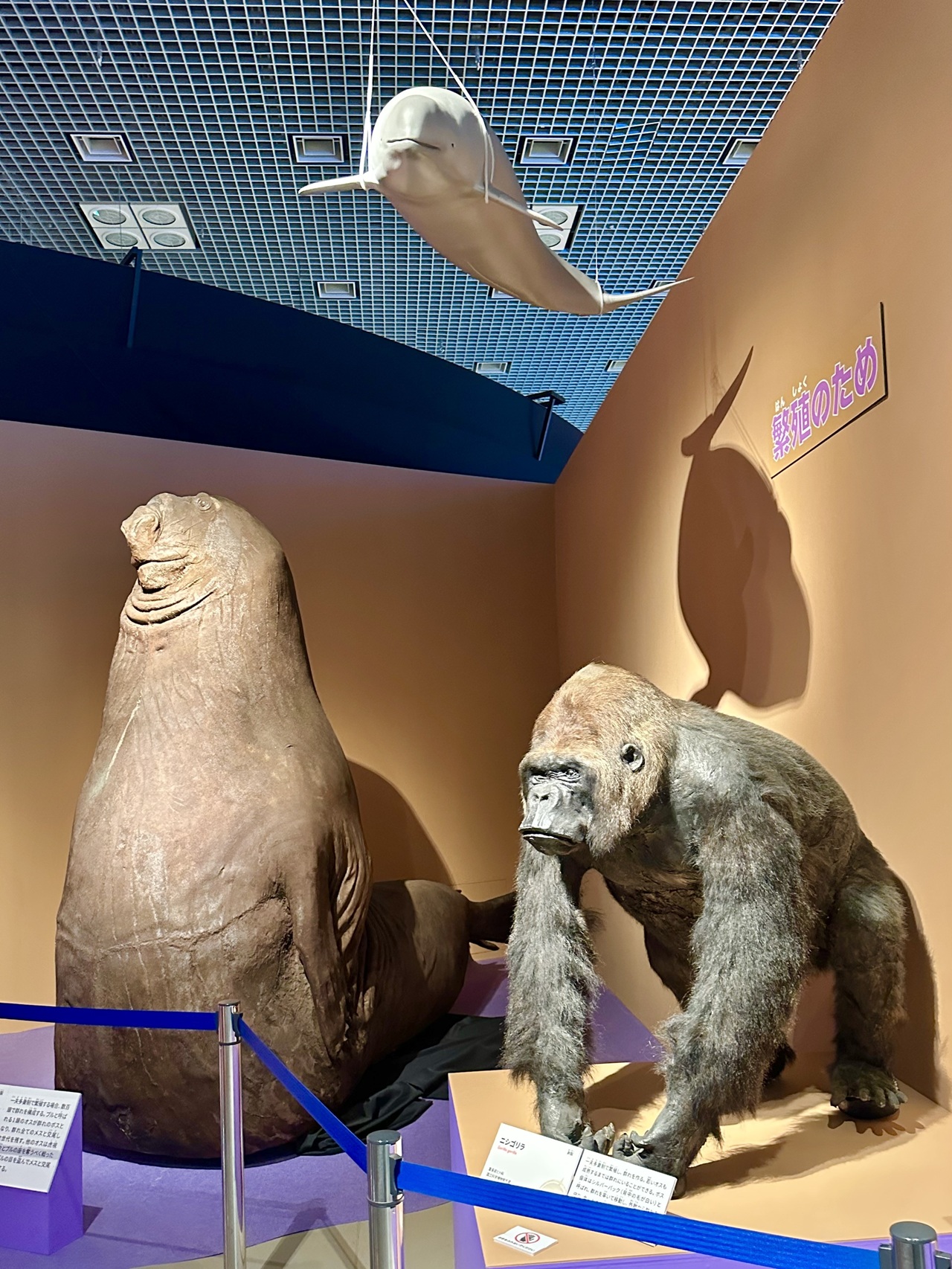
The finless porpoise, a small dolphin species featured in Chapter 5, sometimes acts in groups during the breeding season in search of genetic diversity. I couldn’t help but laugh at the overly blunt description: “Nearly 100 individuals gather together from summer to autumn, resembling a super matchmaking event, and then disperse after mating is complete.” While the exhibition captions do include some technical terms, they are all enjoyable and easy to understand.
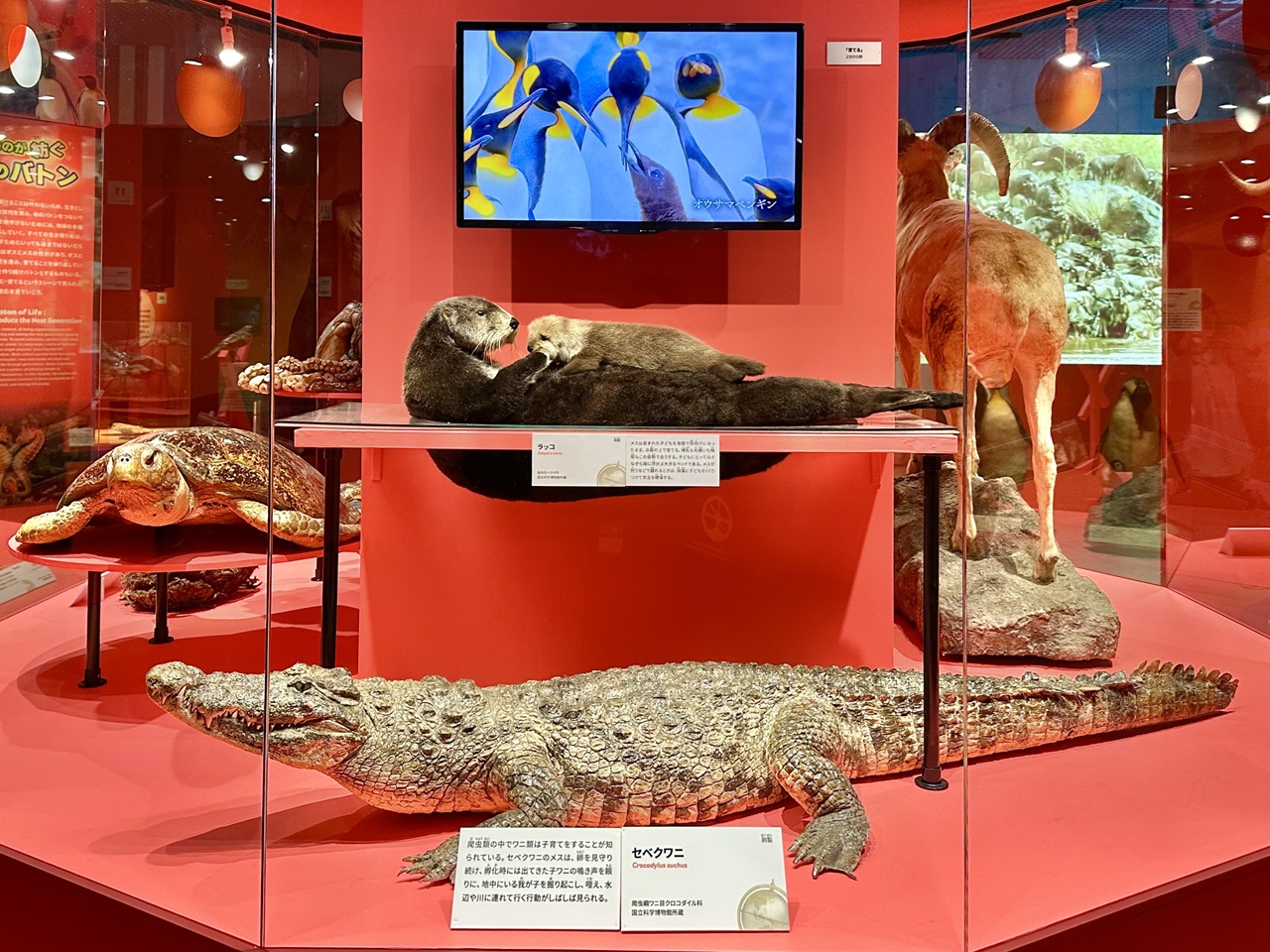
The female sea otter featured in Chapter 6 is said to carry her baby on her belly while out in the ocean, nursing, grooming, and even sleeping. Her well-known behavior of entangling her offspring in seaweed to prevent them from being swept away during hunts became even more endearing when seen in conjunction with the stuffed specimen before me.
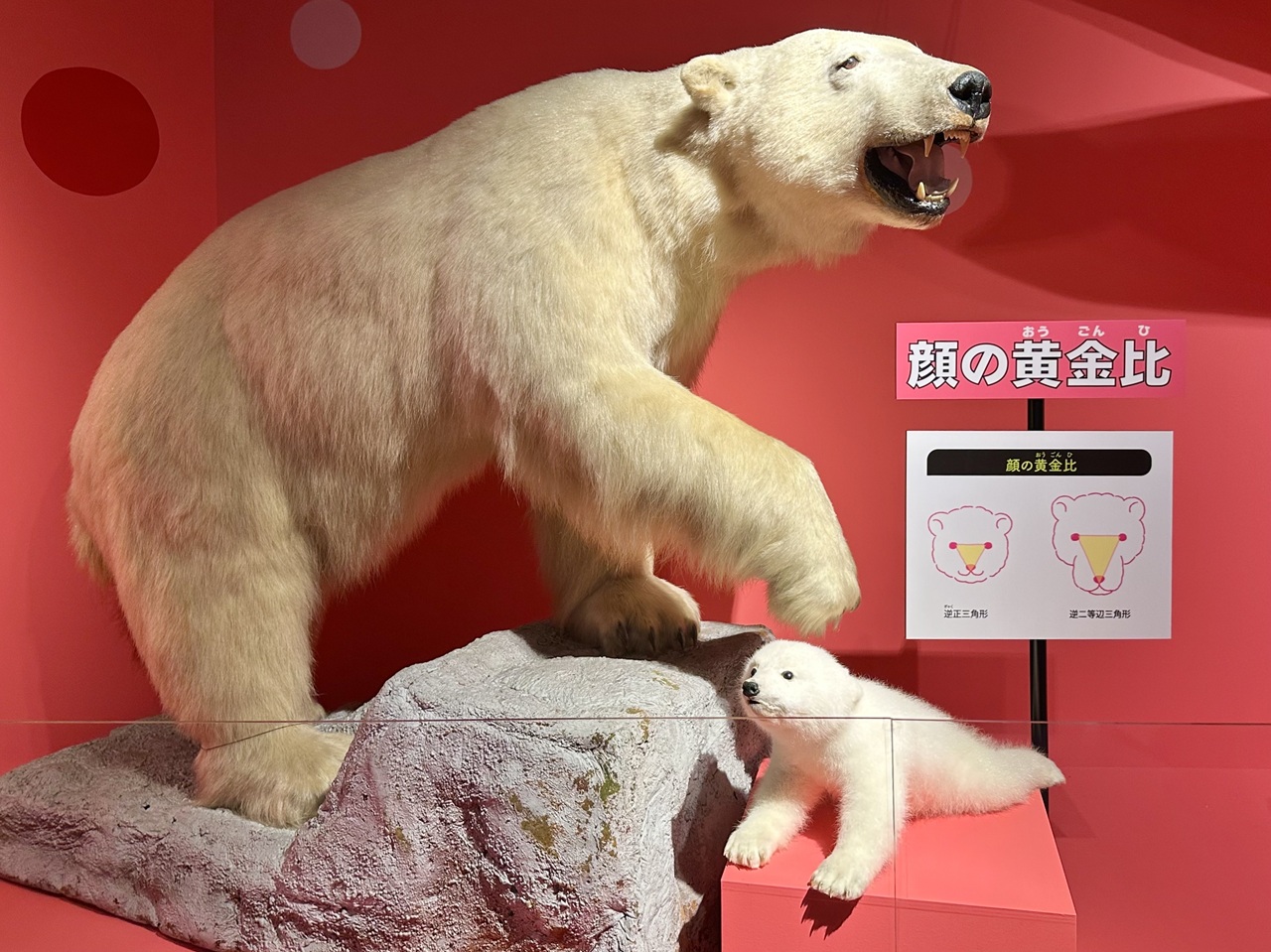
Following that, you can’t help but turn your gaze to the polar bear cub next to it and exclaim, “How cute!” But actually, their adorable faces and cries are a clever strategy to stimulate the protective instincts of their parents and get them to take care of them.
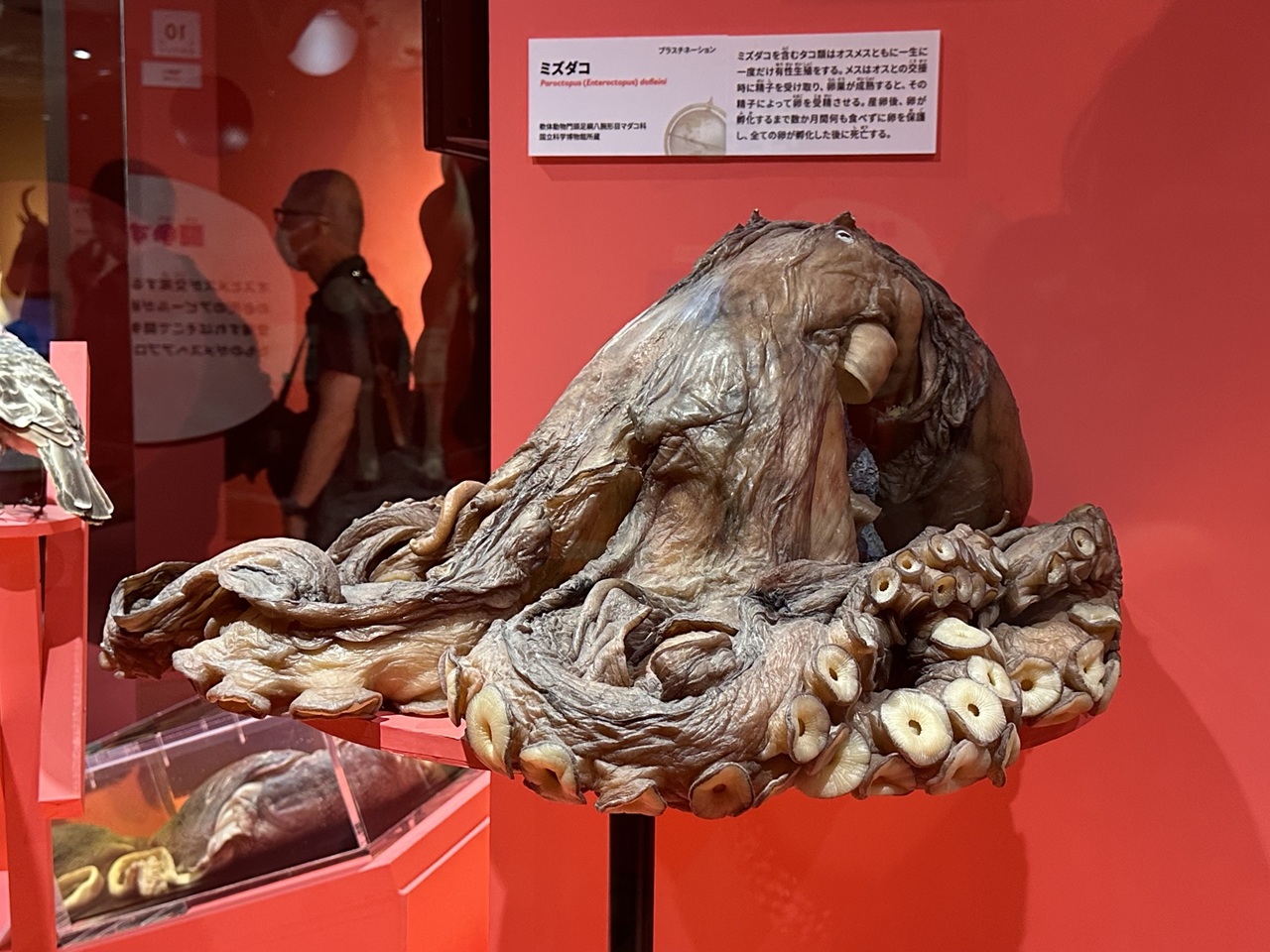
On the other hand, female octopuses such as the giant Pacific octopus do not have the luxury of watching their offspring grow. For the sake of reproduction, which happens only once in their lifetime, they fast for several months after laying eggs until they hatch, and then end their lives immediately after all the eggs have hatched. From a human perspective, this may seem heartbreaking, but this is a survival strategy they have arrived at through a long evolutionary process. I could only ponder the many answers they have arrived at in order to pass on the baton of life.
Near the exit, you’ll find exhibits showcasing the “techniques for learning” used by researchers at the National Museum of Nature and Science and the film crew of “Darwin’s Coming!”.
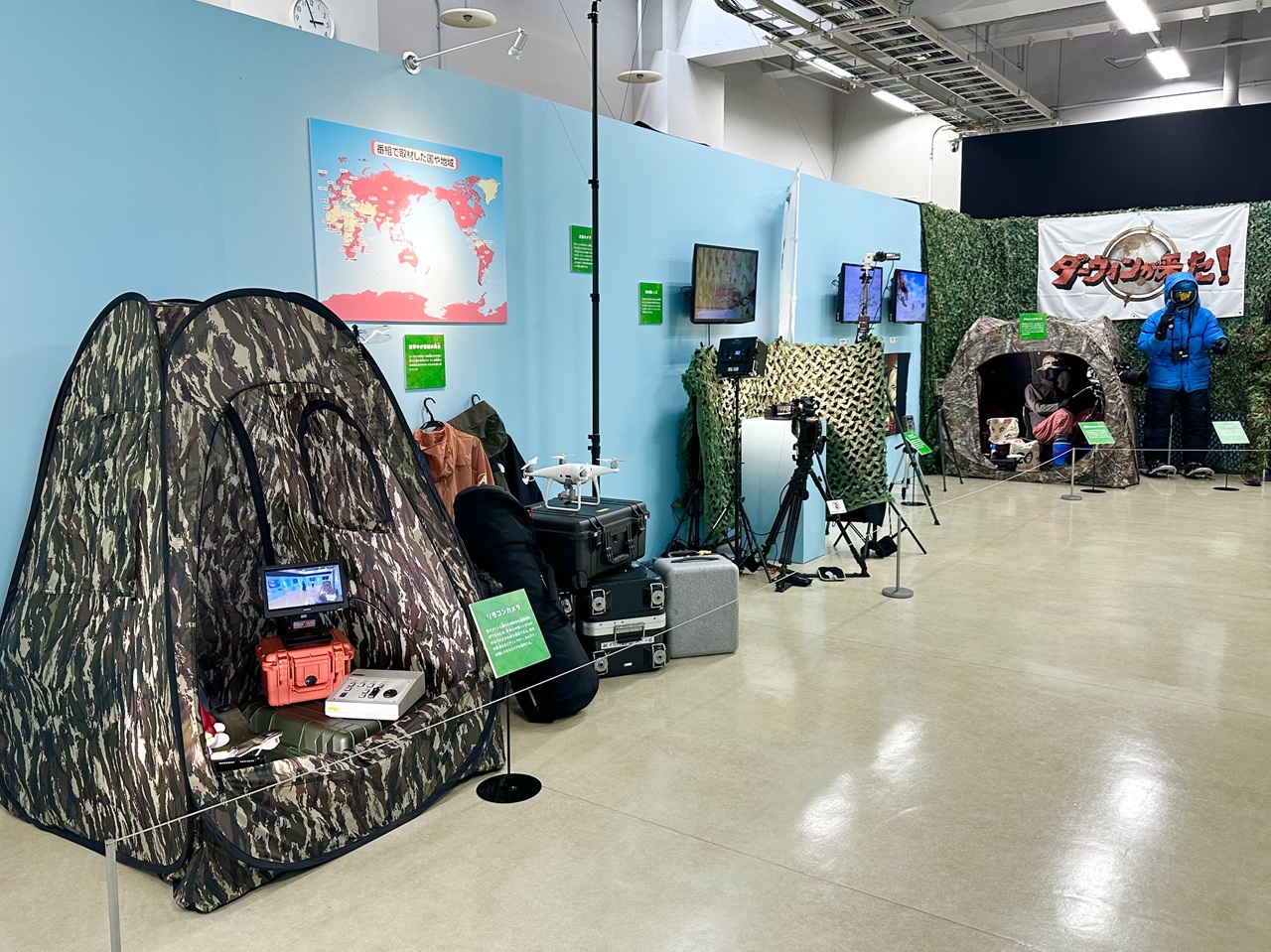
The exhibition offers a behind-the-scenes look at the film crew’s work, which takes place around the world, from the polar regions to the tropics, for about a month at a time. In addition to the latest filming equipment, it also showcases a blind tent with a camouflage pattern. The tent is so small that it’s full with just one or two adults inside, and you can only admire the hardships the crew endures—the heat, the cold, and sometimes even itchiness—while sticking their lenses out of the tiny windows and quietly waiting for the perfect moment.
However, for the staff, the time spent away from the hustle and bustle of the city, surrounded by the breath of nature, is an irreplaceable luxury. There are sure to be children who will be captivated by the powerful images in this exhibition and aspire to this job. In conclusion, I felt a strong sense of passing the baton to the future.
Masaki Aiba: “It’s like an interactive attraction.”
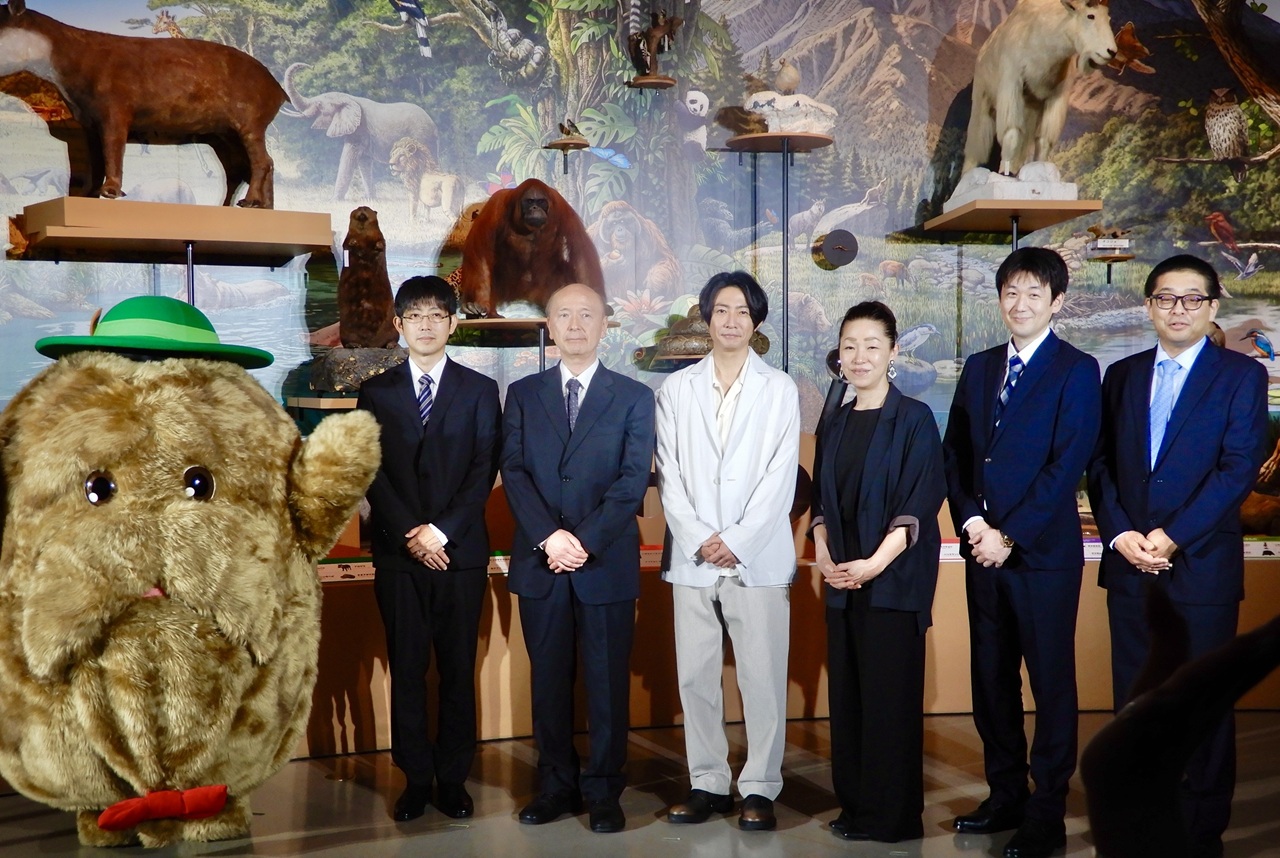
At the press preview, Yuko Tajima, a researcher at the National Museum of Nature and Science who served as the overall supervisor of the exhibition, took the stage. She expressed her satisfaction, saying, “This has become a fantastic collaboration, fusing the National Museum of Nature and Science’s prized specimens with valuable footage from ‘Darwin’s Coming!'”
The exhibition was conceived with the desire to share the story of creatures that have adapted to diverse environments, relentlessly and uncompromisingly honing their survival strategies, and that are as moving as athletes giving their all in their performances. With these points in mind, the organizers expressed their hope that visitors would enjoy the exhibition while keeping in mind that they, too, are part of nature.
Next, Masaki Aiba, who serves as the navigator for this exhibition, gave an interview.
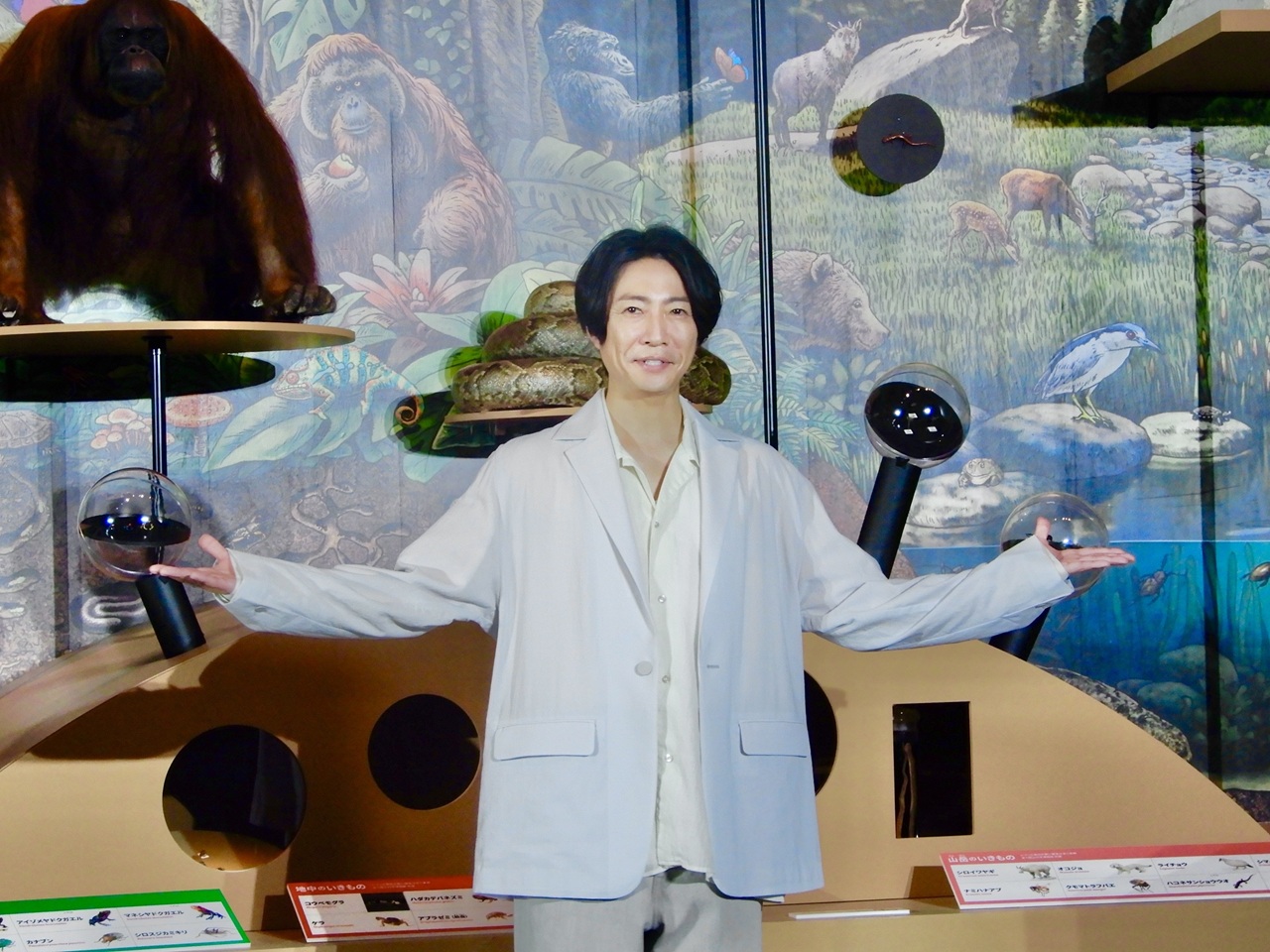
When asked about her impressions of touring the venue, she smiled and said, “There are lots of beautiful 4K images from ‘Darwin’s Coming!’ scattered throughout the exhibition. There are also many shots of predation and capture moments that must have taken hours or even tens of hours to film, and they are shown without any hesitation, so I was able to enjoy it like an interactive attraction, comparing it with the taxidermied animals and specimens.”
Among the exhibits that left the strongest impression on her, she mentioned the giant sloth, “Pyramiodontherium,” displayed in Chapter 3. “It was incredibly huge! It was fun to think about things like whether it evolved to the size of sloths we see today, or whether being smaller made it easier to survive,” she said, clearly intrigued by the experience.
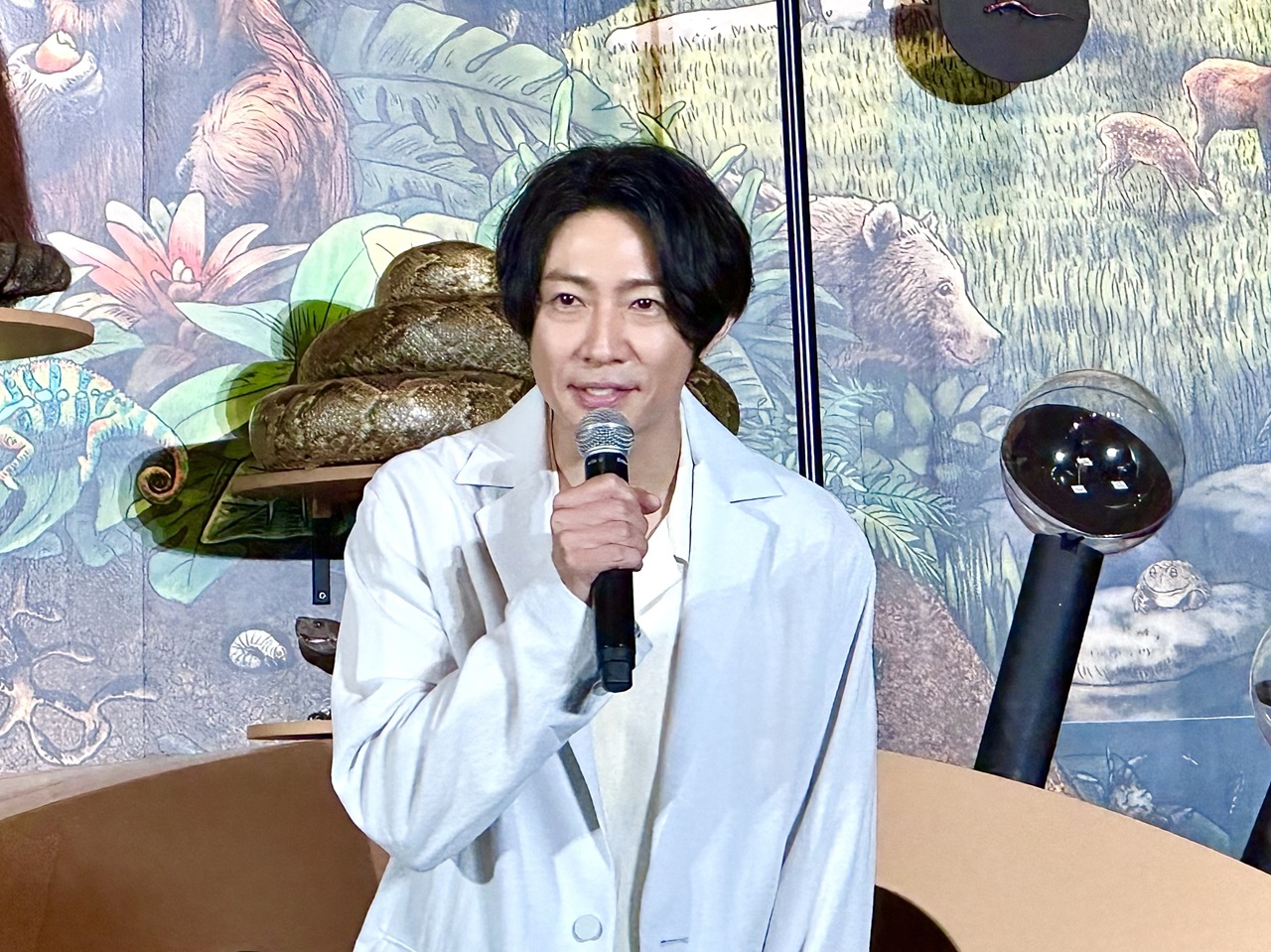
Aiba also provided the audio guide for the exhibition, commenting, “I wanted people to enjoy the exhibition, so I recorded it with the intention of providing information discreetly without being too disruptive.” He spoke of his joy at being involved in the work at the National Museum of Nature and Science, which he has visited many times, and finally sent a message to those interested in the exhibition.
“After seeing the exhibition, I felt that it was something that would make not only children but also adults think deeply. I myself was surprised to learn that there are so many creatures that coexist with humans in close proximity, such as pill bugs eating concrete and snakes climbing telephone poles. It’s a place where you can learn a lot of things you didn’t know, so please come and visit.”
Special Exhibition “The Super World of Living Things: National Museum of Nature and Science x Darwin’s Coming!” Overview
| Exhibition period | July 11th (Sat) – October 12th (Monday/holiday), 2026 |
| Opening hours | 9:00 AM – 5:00 PM (Last entry at 4:30 PM) *The museum will be open until 6:00 PM from August 9th (Sunday) to August 15th (Saturday) (last entry at 5:30 PM). |
| Closed days | September 7th (Monday), 14th (Monday), 24th (Thursday), 28th (Monday) |
| venue | National Museum of Nature and Science (Ueno Park, Tokyo) |
| Admission fee (tax included) | General admission/University students: 2,300 yen, Elementary/Junior high/High school students: 600 yen
*Admission is free for preschool children. |
| Organizer | National Museum of Nature and Science, NHK, NHK Promotions |
| inquiry | 050-5541-8600 (Hello Dial) |
| Official website of the operator | https://ikimonoworld.jp |
*Please note that this information may not be up-to-date. For details, please check the exhibition’s official website.
