Tokyo University of the Arts University Art Museum
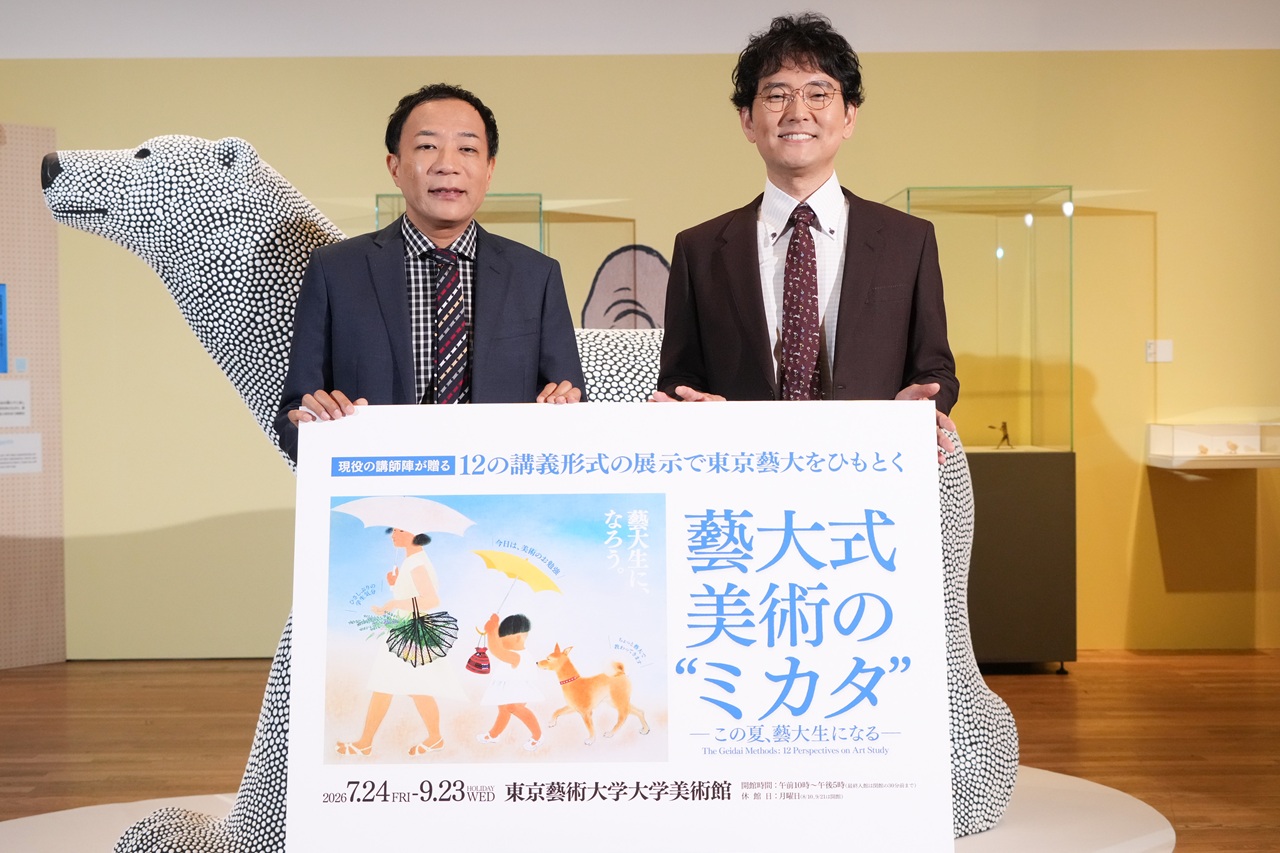
A unique exhibition , "Geidai-style View of Art – Become a Geidai Student This Summer," which allows anyone to become a "Geidai student," opened on July 24th, 2026 (Friday) at the Tokyo University of the Arts University Art Museum in Ueno Park, Tokyo. The exhibition will run until September 23rd (Wednesday, national holiday).
This exhibition presents 12 "lectures" taught by current faculty members of Tokyo University of the Arts, using the museum's valuable collection as teaching materials, all presented as an "exhibition." Its greatest appeal lies in the unprecedented and luxurious viewing experience, which makes you feel as if you are actually attending a university lecture.
This report details the press preview held the day before the exhibition opened, including an appearance by the comedy duo Knights (Nobuyuki Hanawa and Nobuyuki Tsuchiya), who have been appointed as special tutors for this exhibition.
Knights appear! Unraveling the world of "Geidai" through laughter
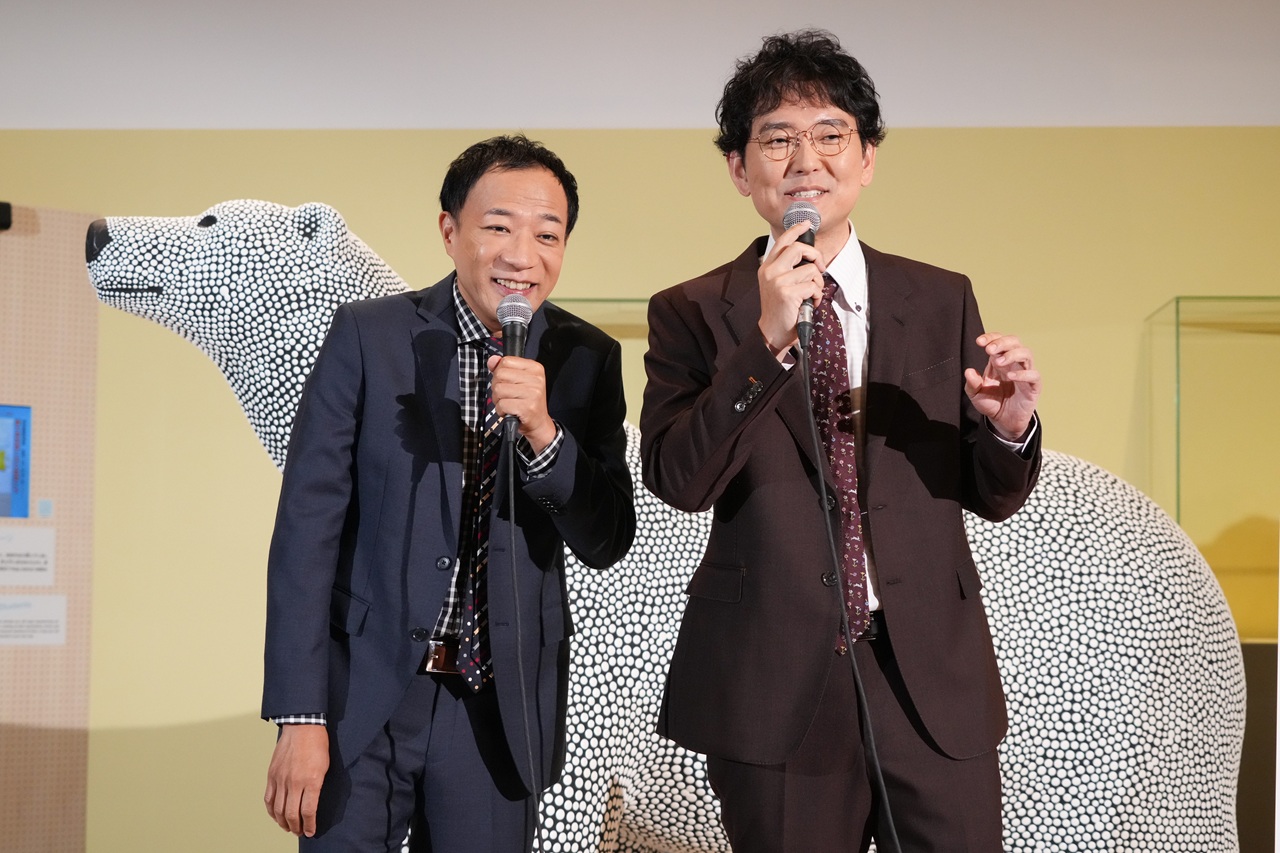
At the press preview, a press conference was held with the comedy duo Knights (Nobuyuki Hanawa and Nobuyuki Tsuchiya), who have been appointed as "special tutors" for this exhibition.
Tsuchiya, who is currently studying art at the College of Art, Nihon University, shared an anecdote about how she once seriously attended an art school preparatory course and took the entrance exam for Tokyo University of the Arts, but was completely outmatched. She raved about the quality of the exhibition, which allows visitors to experience what it's like to be a student at Tokyo University of the Arts, saying, "If this exhibition can make you a student at Tokyo University of the Arts, then I didn't need to study so hard (laughs)." Hanawa, on the other hand, delighted the audience with his unique perspective, saying, "I like plastic models, so I was impressed by the exhibit that uses infrared light to examine the internal framework and then creates a replica of a Buddhist statue."
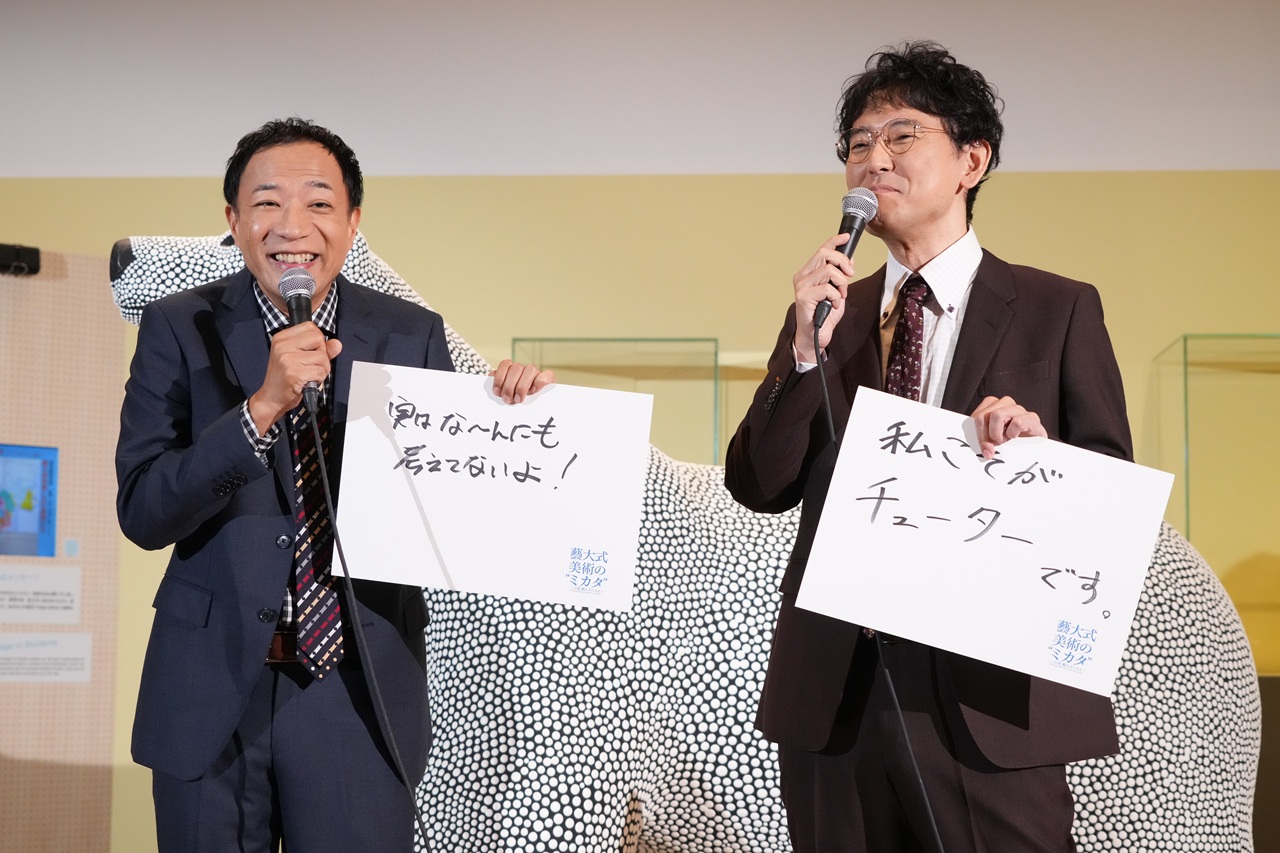
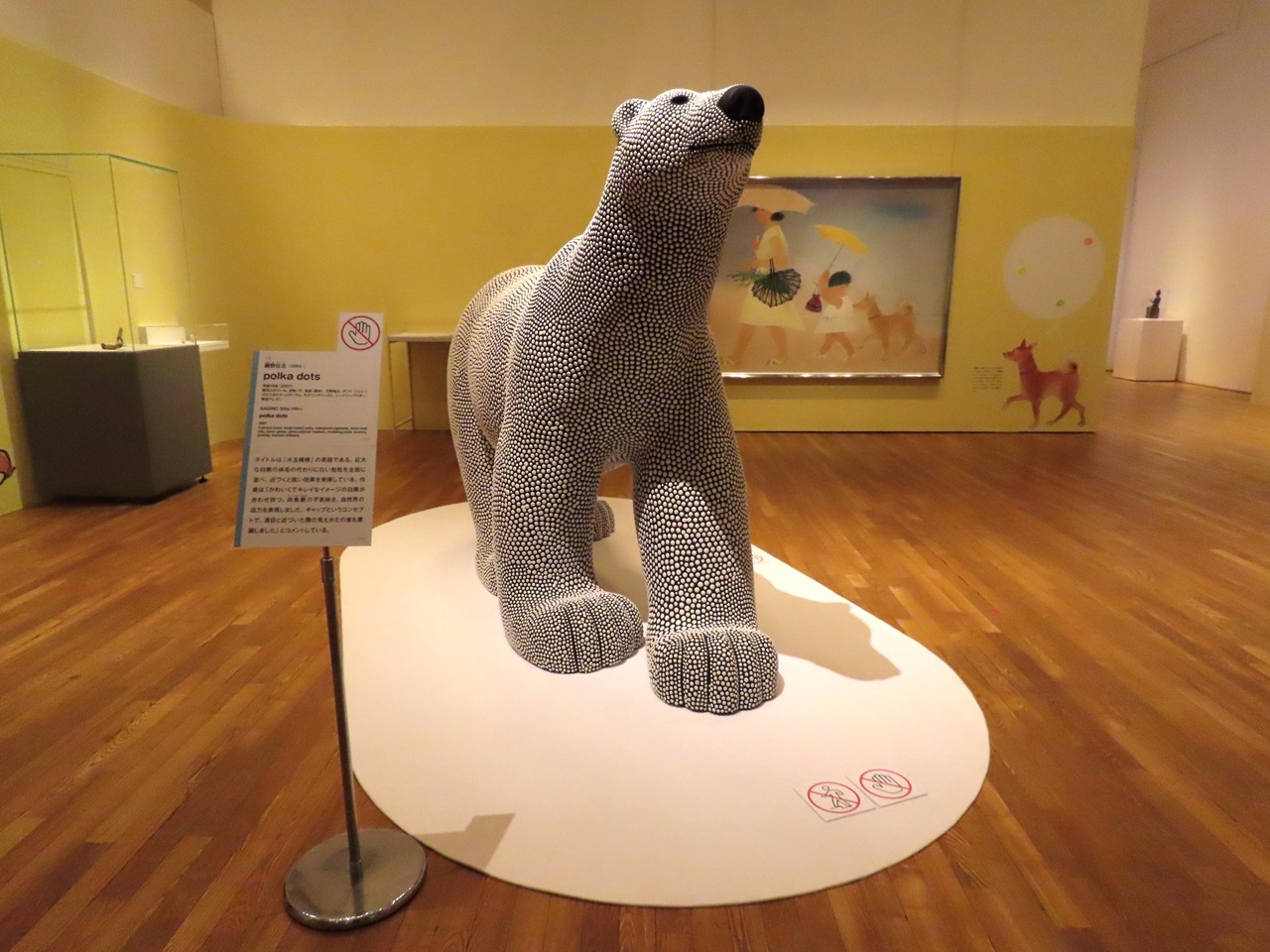
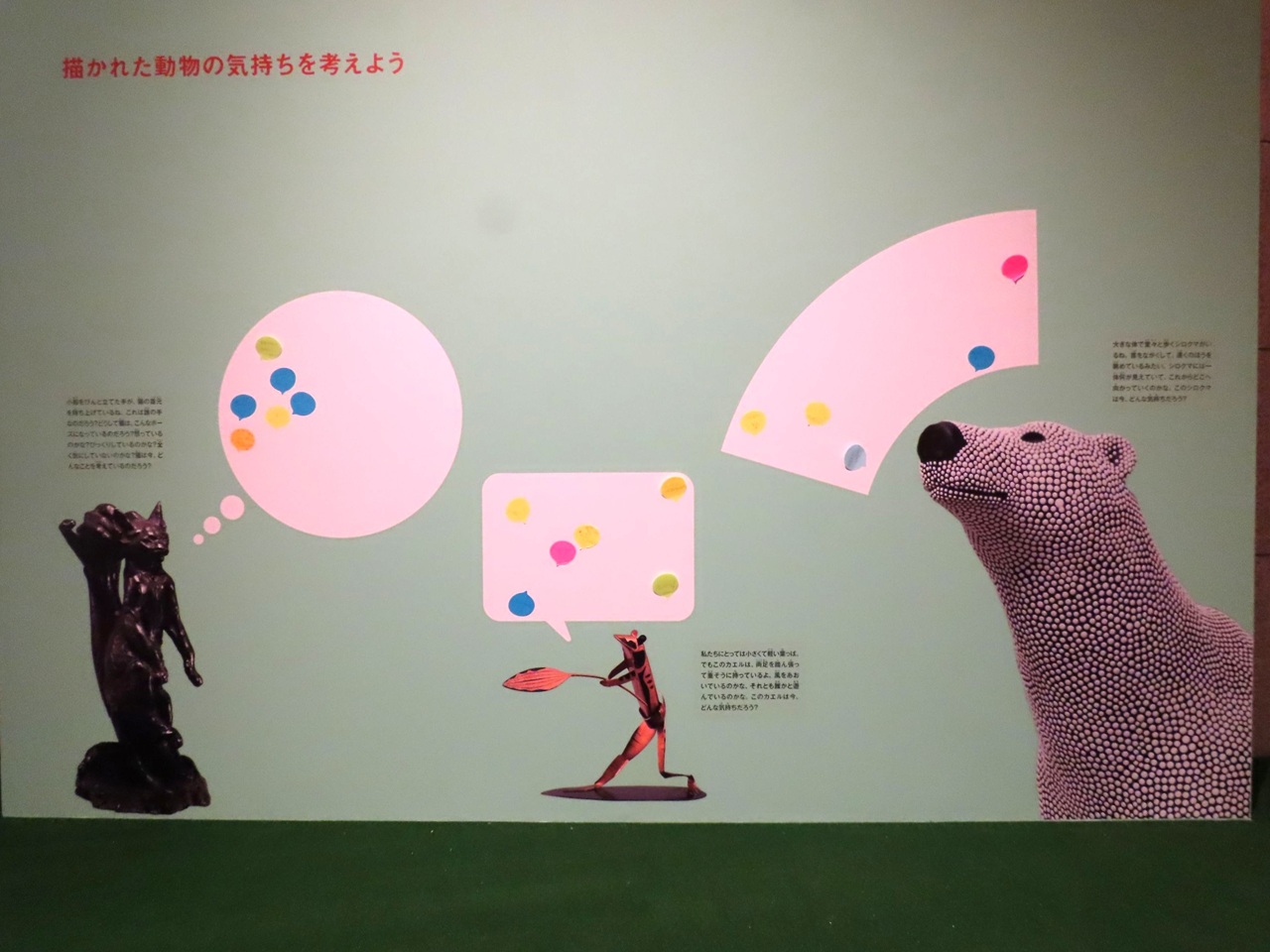
In the "7th Period" area where the press conference was held, there was an interactive exhibit where visitors could look at animal-themed artworks and write down their feelings about them on sticky notes. During the press conference, a game of witty banter broke out here. In front of the giant polar bear artwork "polka dots," the two presenters also revealed their answers on flip charts.
Tsuchiya responded, "I'm the tutor," while Hanawa replied, "Actually, I haven't thought about anything at all!" Hanawa confessed, "I was asked for an interesting answer, but I couldn't think of anything, so I ran away," to which Tsuchiya chimed in, "It's also art to deliberately not say anything and let the other person think for themselves."
Finally, when asked for a message about the exhibition, Tsuchiya strongly promoted the exhibition's concept, saying, "The biggest appeal is that you can 'become an art student.' I really want people to experience what it's like to take classes at art school ." Hanawa also spoke earnestly about the significance of experiencing art firsthand, saying , "We live in an age where we spend all our time looking at the internet and smartphones, but it's very important to actually go and see and feel paintings in person."
That's it, I'll become an art student.
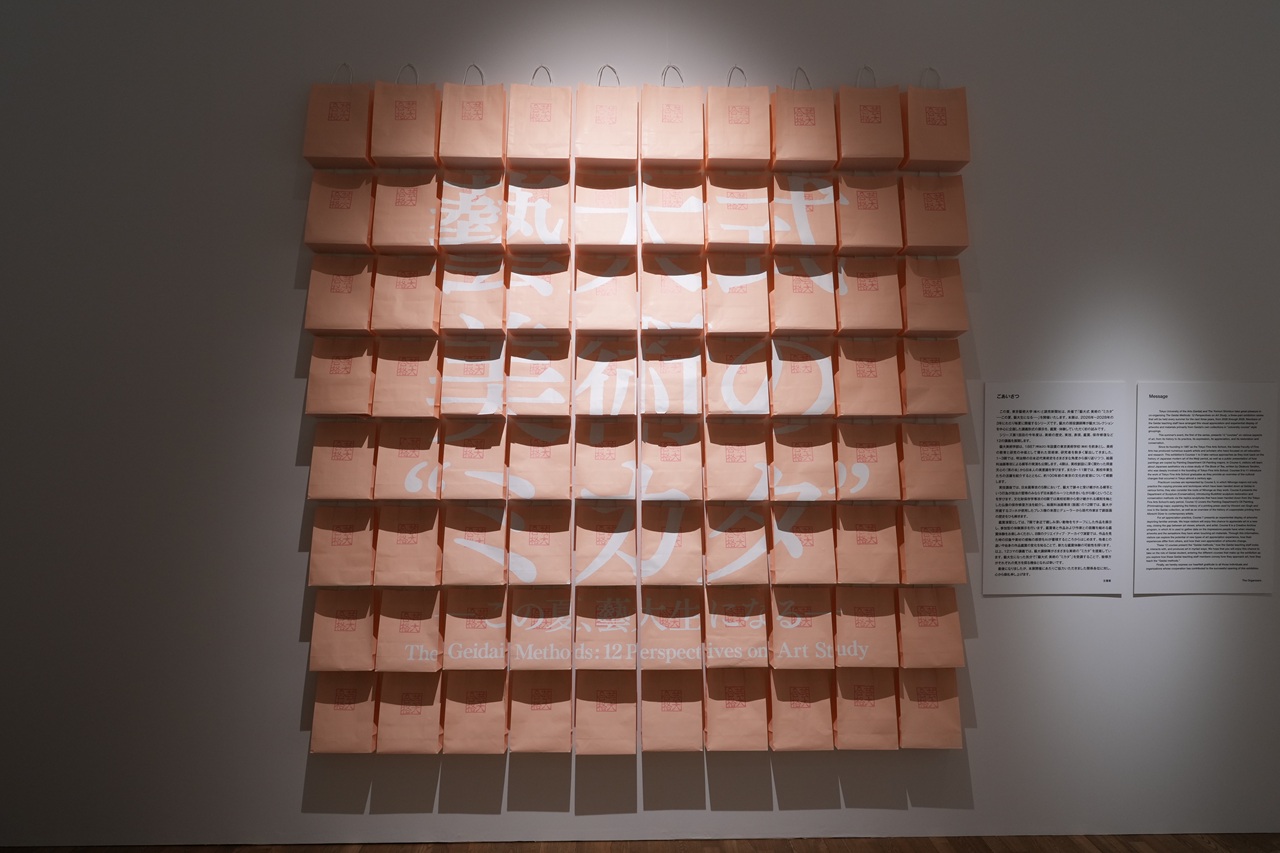
The Faculty of Fine Arts at Tokyo University of the Arts has its origins in the Tokyo School of Fine Arts (Bikō), established in 1887 (Meiji 20), and has served as a central hub for art education and research, producing numerous outstanding artists and researchers.
This exhibition is the first in a series to be held every summer for three years from 2026 to 2028, and is the first attempt to offer a lecture-style exhibition planned by current faculty members of Tokyo University of the Arts, focusing on the university's collection.
In the 12-hour "lecture" series, structured as an exhibition at the art museum, the faculty of Tokyo University of the Arts proposes various "ways of looking at" art, covering themes such as art history, practical skills, expression, appreciation, and conservation and restoration.
Learn how to appreciate art through authentic works.
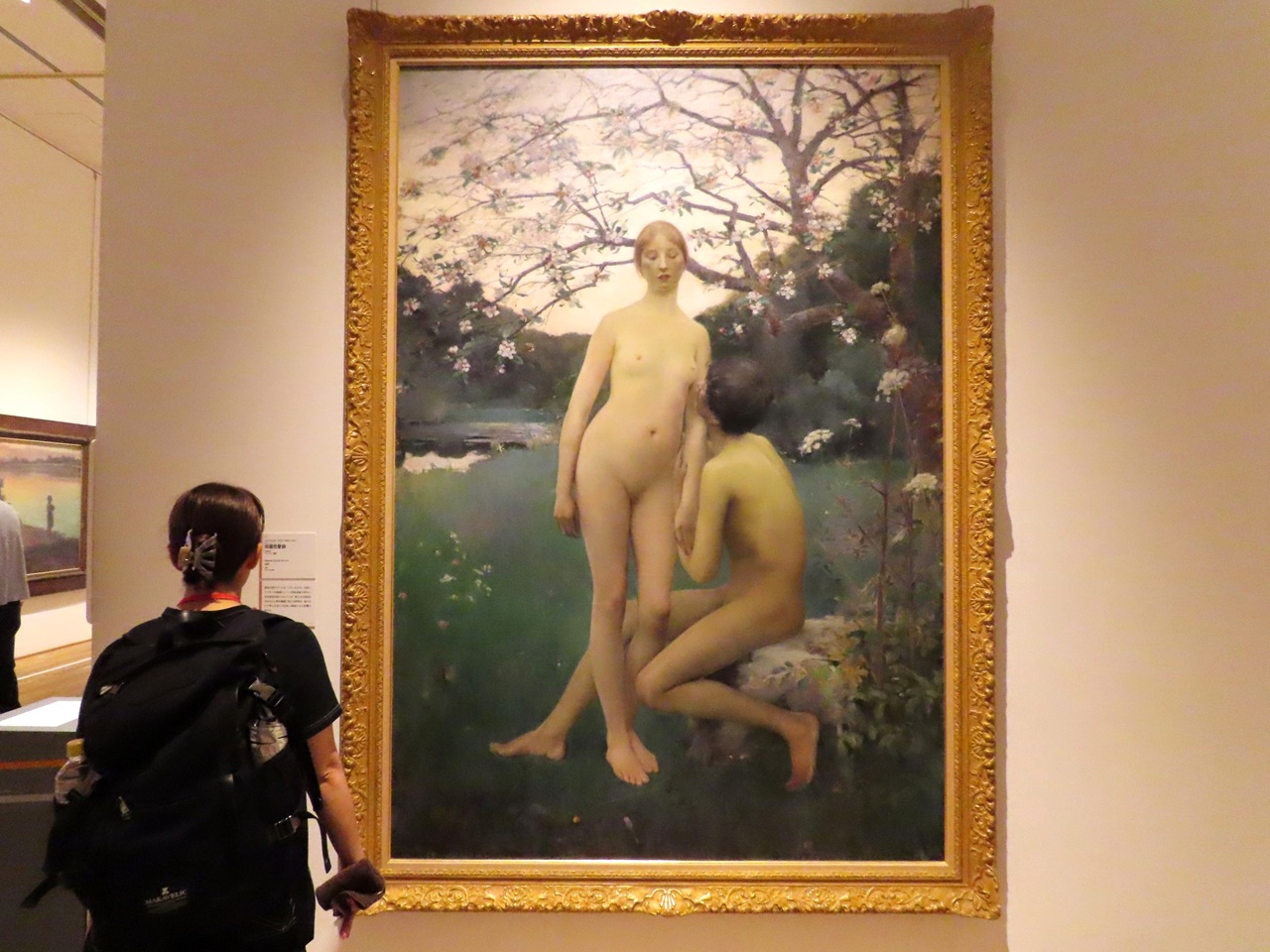
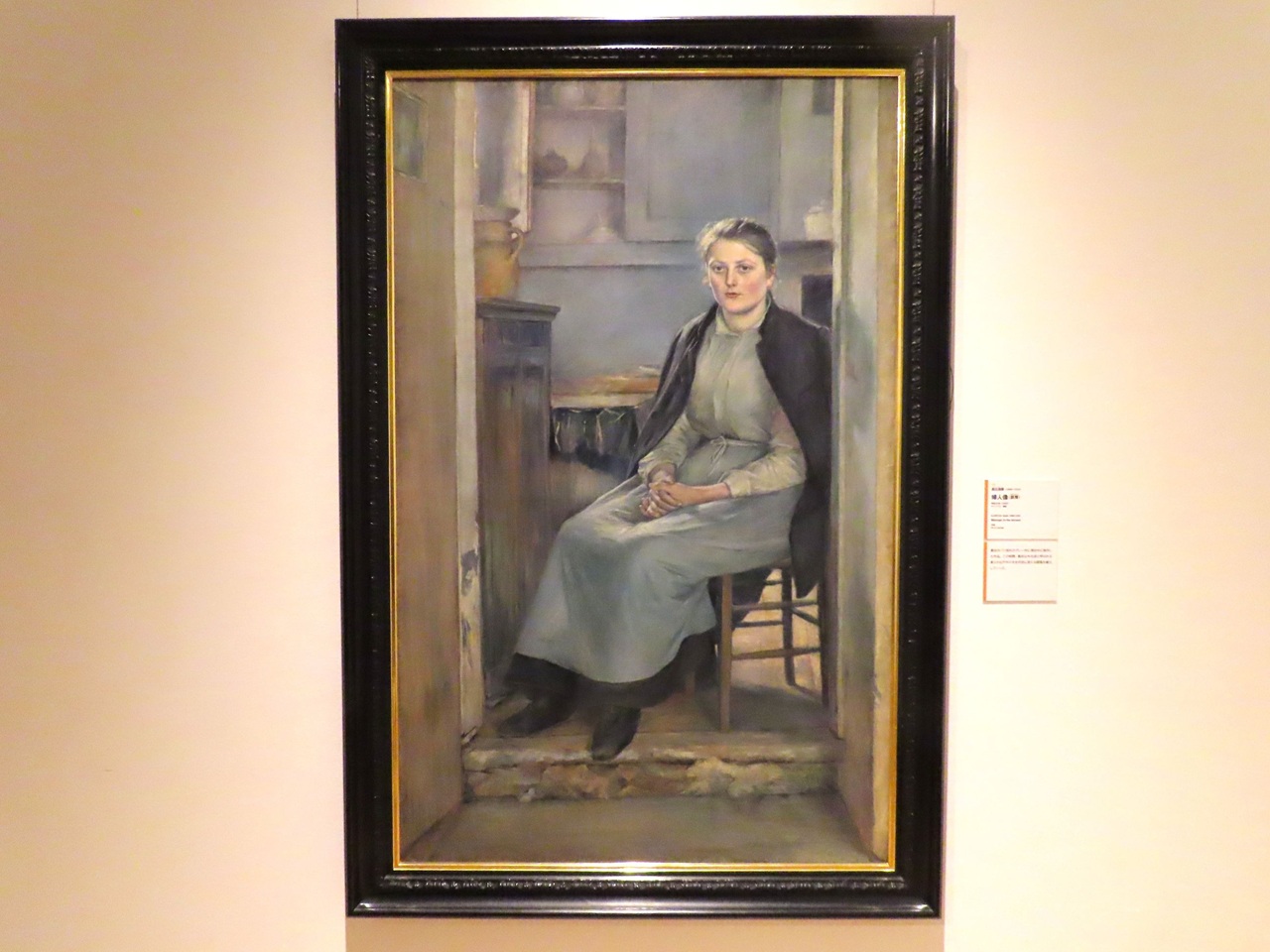
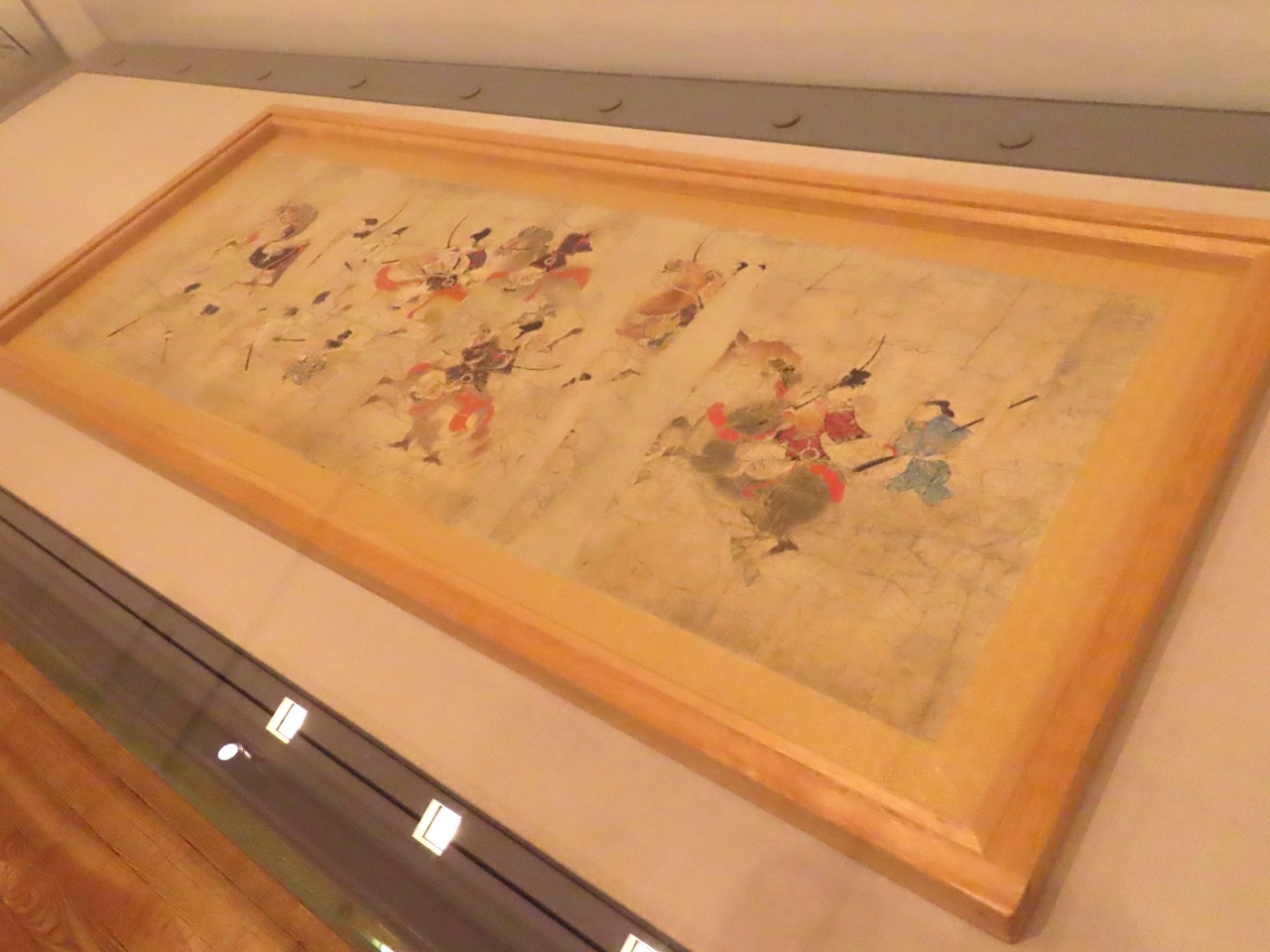
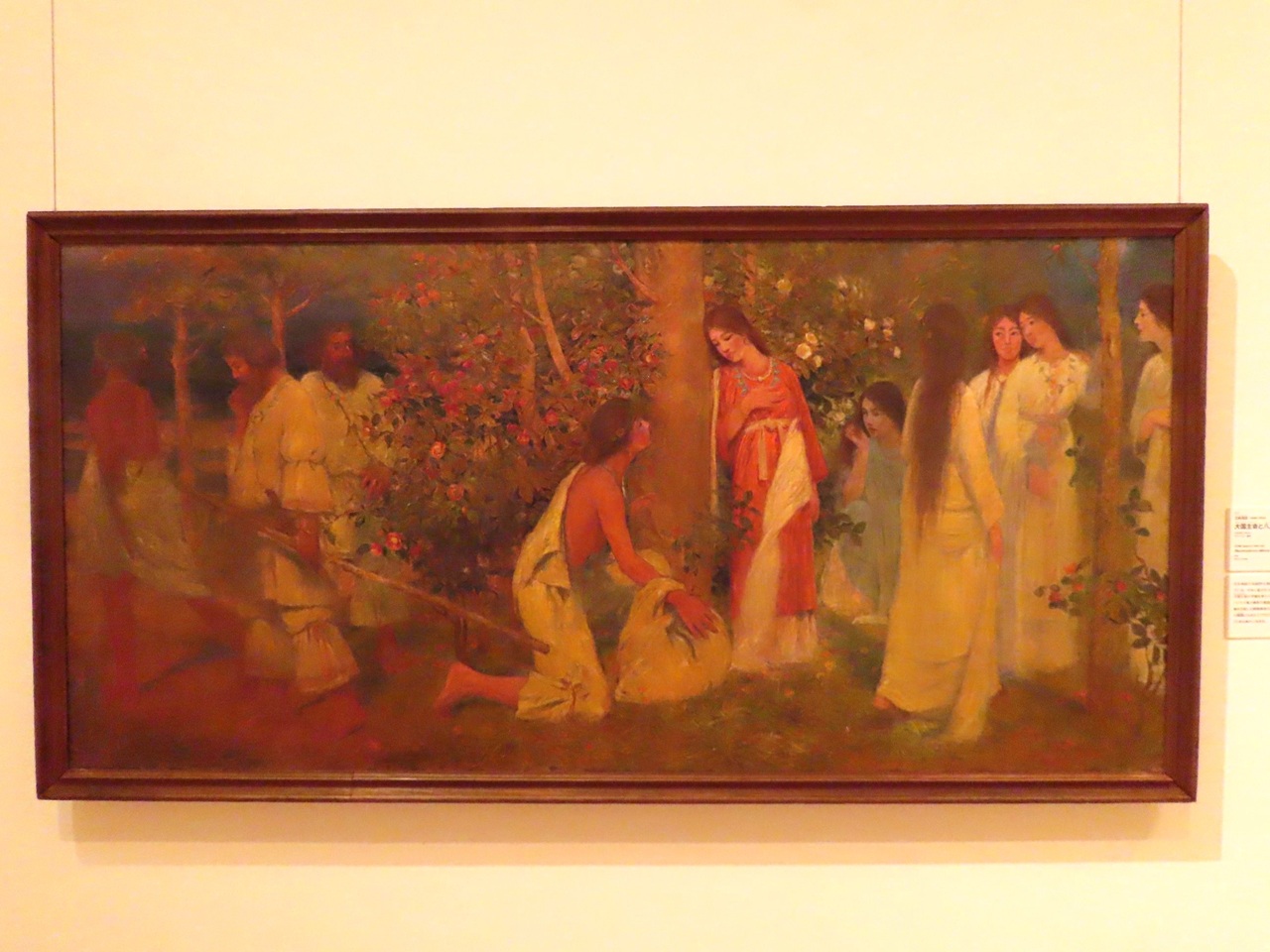
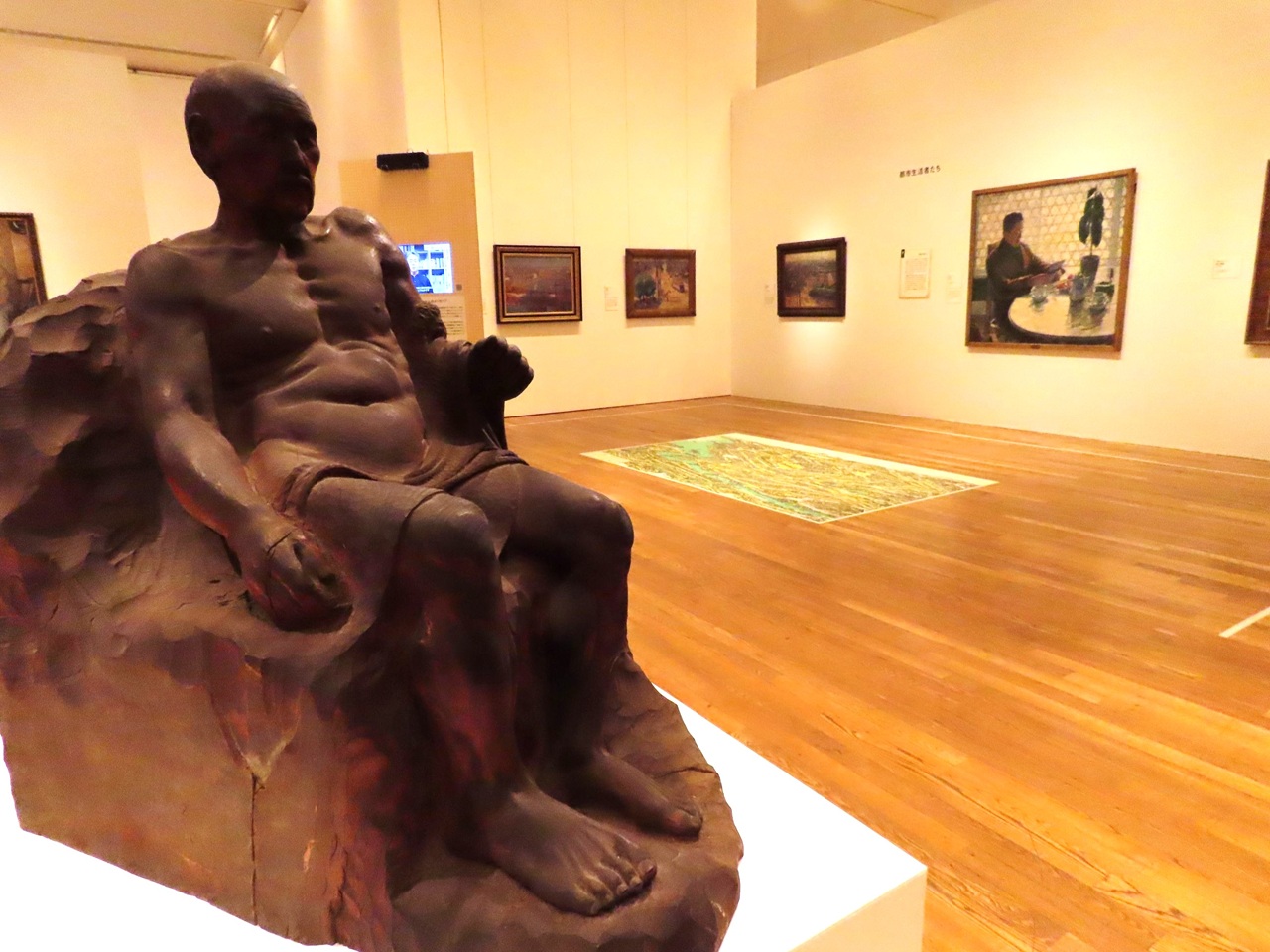
Although it's presented in a classroom format, it's certainly not a lecture-style class. The venue features a diverse collection from the Tokyo University of the Arts, including works by past professors such as Seiki Kuroda, Eisaku Wada, and Tanaka Hirakushi, as well as works by graduates such as Tsuguharu Fujita, and even works by Van Gogh and students. Through this real-world viewing experience, you can learn how to appreciate art.
In the first three periods, we will look back at modern Japanese art of the Meiji period from various angles, and in the fourth period, we will learn about the Japanese aesthetic sense from Okakura Tenshin's "The Heart of Tea," who was deeply involved in the founding of the art school. In the fifth period, we will focus on "copying," which has been passed down through generations at Tokyo University of the Arts, and in the sixth period, we will introduce methods of preserving and restoring Buddhist statues, centered on "sculpting." Through these sessions, we will highlight the importance of "confronting our roots."
In addition, during periods 9-11, we will introduce the achievements of art school graduates and provide an overview of the cultural transformations in Tokyo approximately 100 years ago.
Watch art students at Tokyo University of the Arts create their own reproductions right before your eyes!
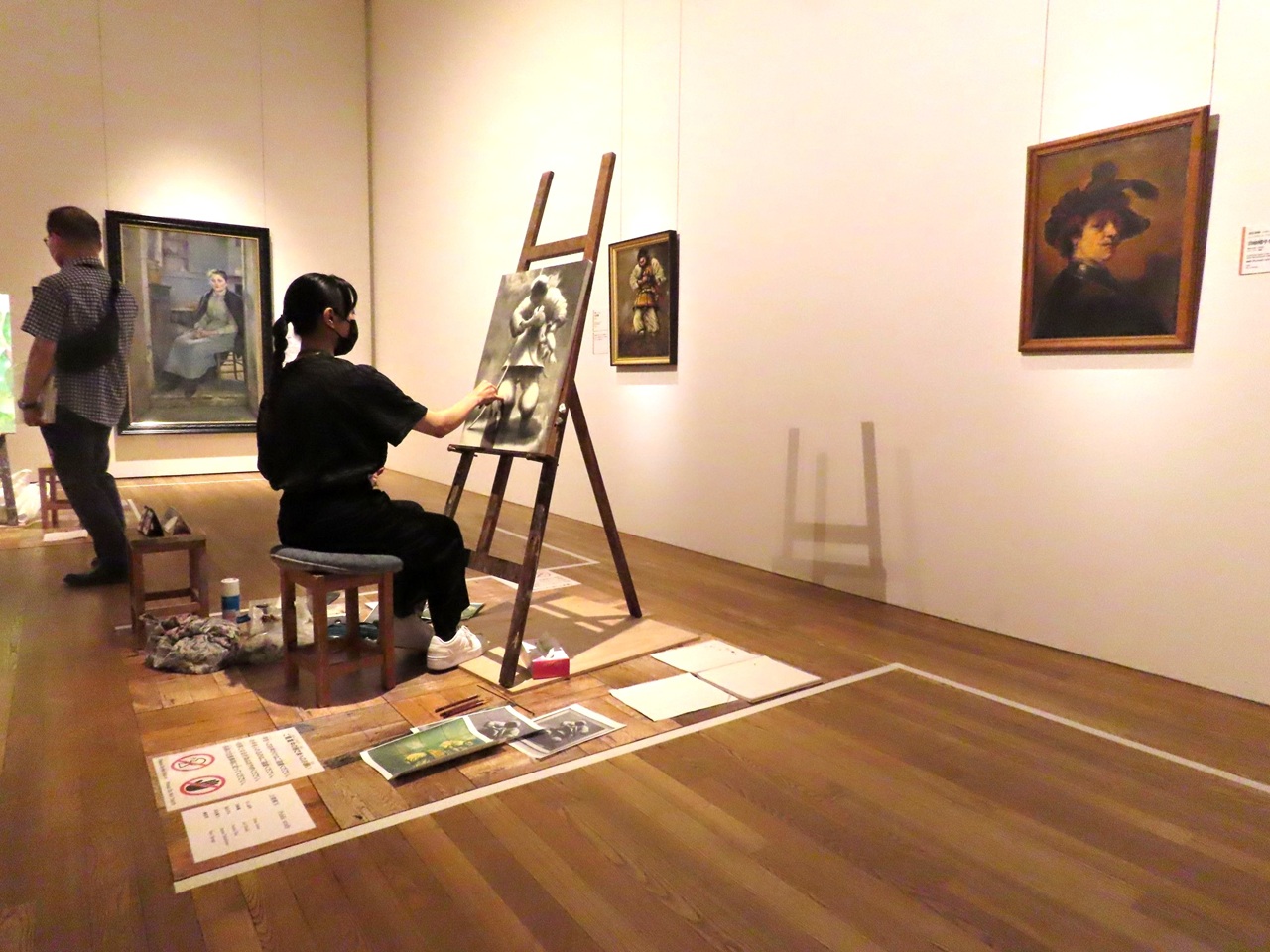
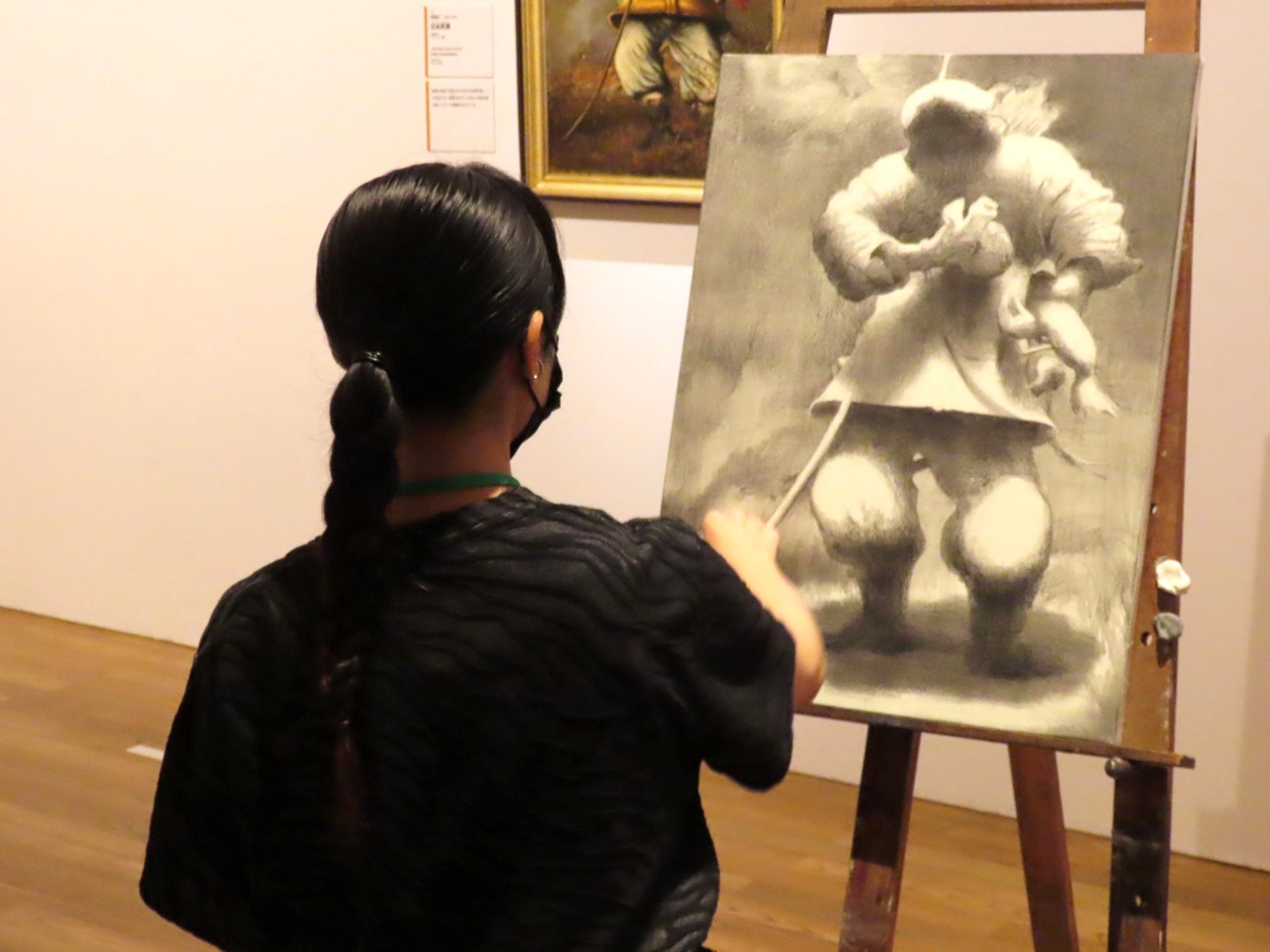
In the first period's basic painting workshop, "Learning from the Museum: Understanding the Hands and Spirit of Beauty Through Copying," current art students demonstrated copying techniques right in the exhibition room.
During the Knights press conference, Tsuchiya recounted his experience interviewing art students who were making copies of artwork. He explained that because the venue was an actual exhibition space for artwork, the tools available for copying were limited. Despite these constraints, the art students were not simply copying the works exactly, but were also trying various approaches, such as changing the light source from the original paintings.
Watching art students at Tokyo University of the Arts earnestly copying paintings might give you a chance to reflect on the artist's feelings and intentions hidden within the artwork.
As an experiential learning activity during summer vacation
Although this exhibition is themed around university lectures, it's not just adults who can enjoy it.
In the 7th period, "Let's look at artwork through the eyes of animals," various works of art featuring animals as motifs are on display. This area is recommended for children as it allows them to start with the simple feeling of "cute."
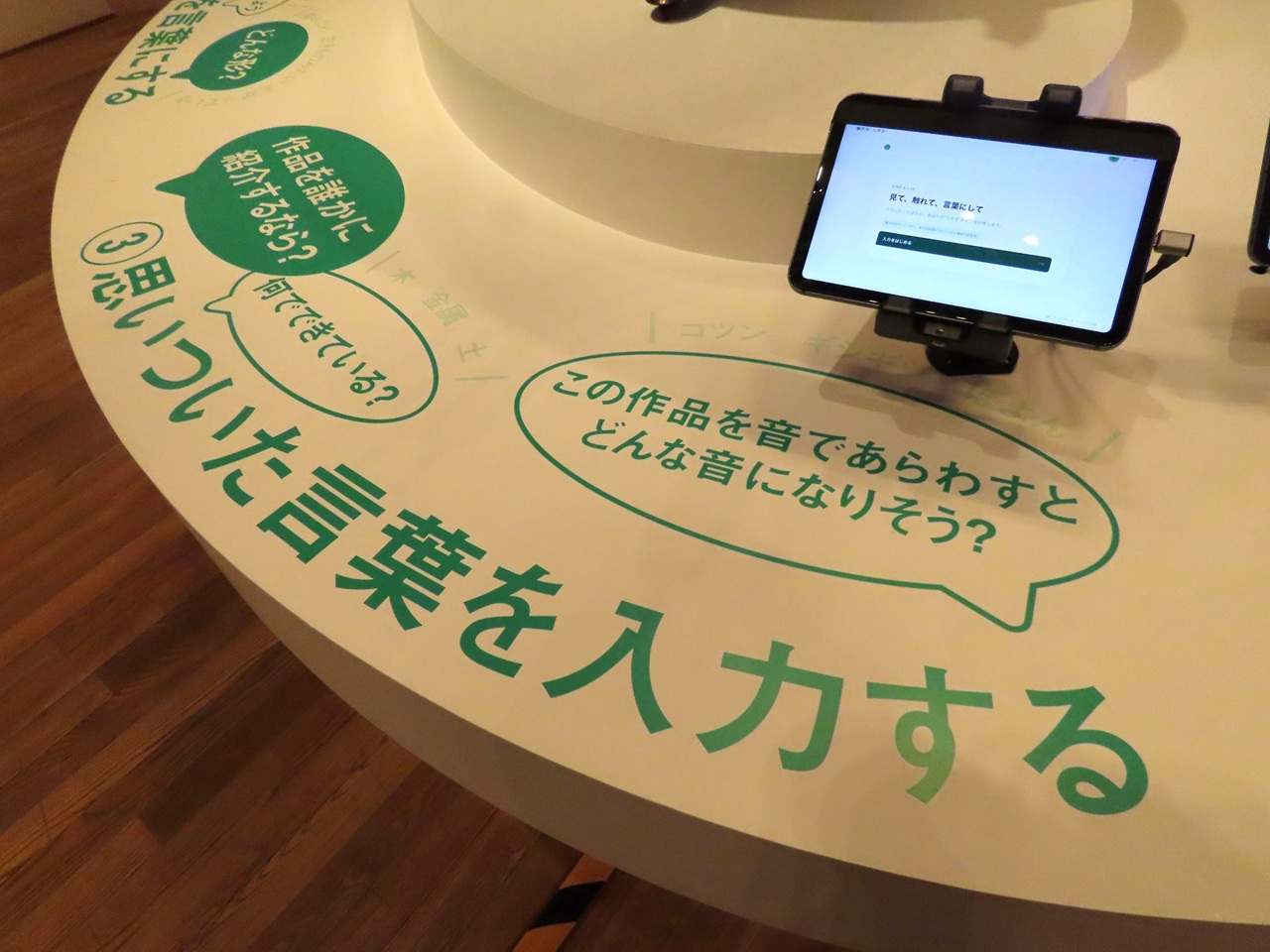
In the 8th period, "See, Touch, and Put into Words," we will introduce the latest art appreciation archive powered by AI analysis. Through this archive, which organizes and stores impressions of viewing artworks using AI, you can experience the differences between yourself and others, and how your own appreciation of art has changed. Sharing your impressions with your child may lead to various insights.
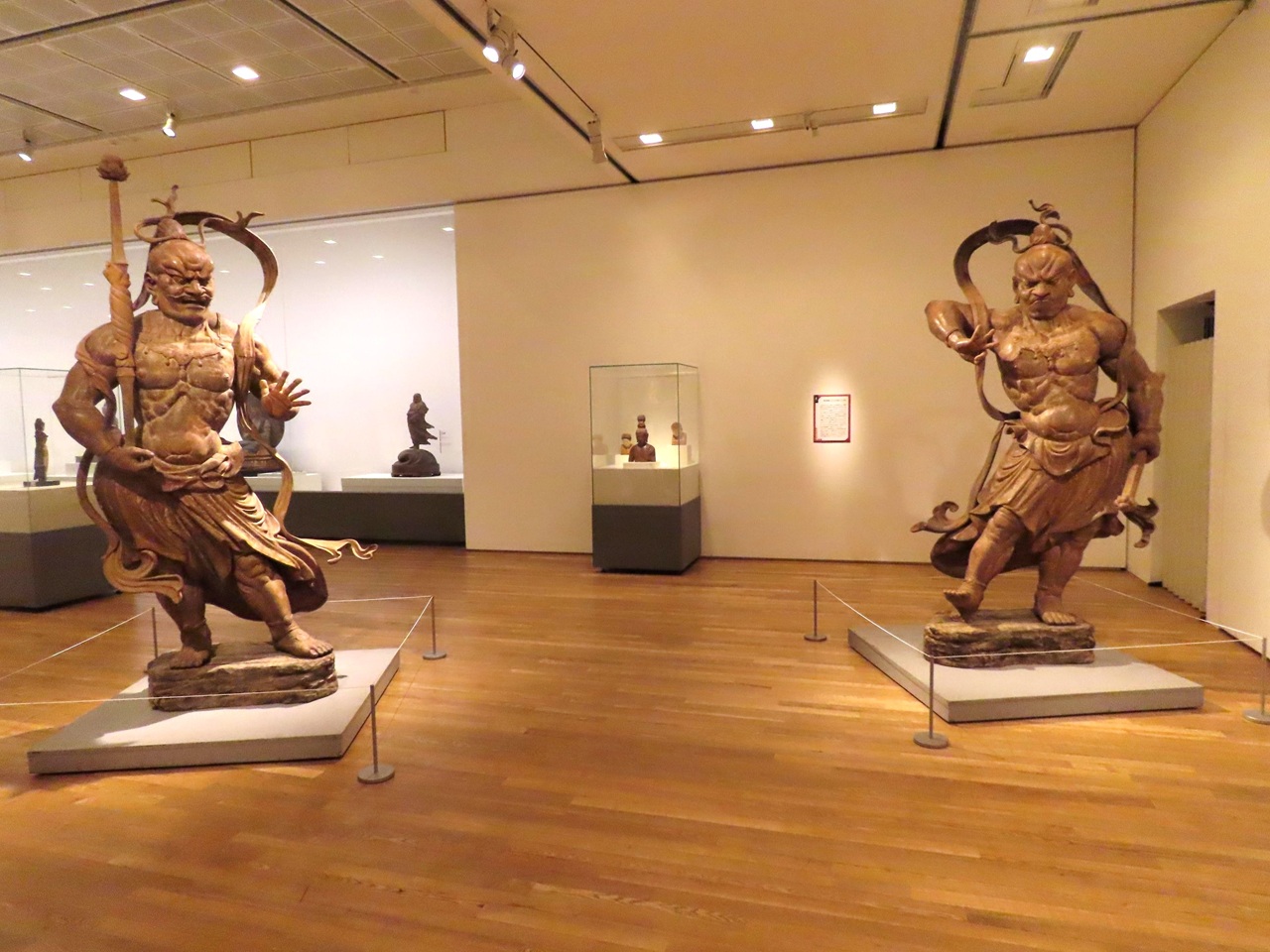
My personal recommendation is the scaled-down replica of the Nio statues at the Todai-ji Temple's South Gate, which is on display in the 6th period lecture, "The Art University Style: Doctors of Buddhist Statues." This piece was created by making subtle adjustments to various angles and forms of the statues according to the scale. Be sure to experience the "glare" of the Nio statues, which are said to ward off evil, at the venue.
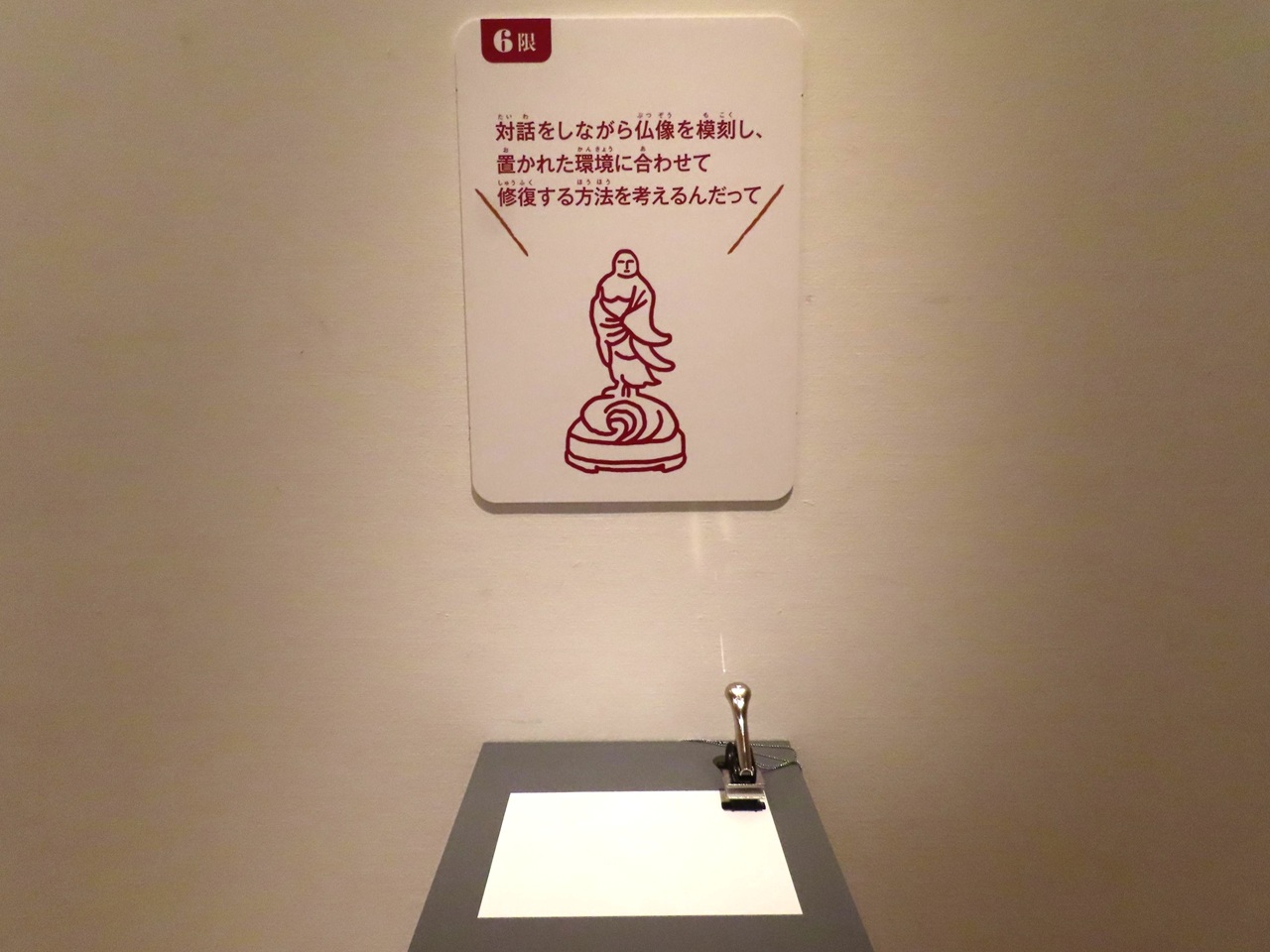
The venue will feature interactive exhibits that families can enjoy together, as well as worksheets that allow visitors to enjoy embossing stamps. Furthermore, during the event, there will be unique events such as mini-concerts and mini-lectures, typical of Tokyo University of the Arts. Why not delve deeper into a lecture that interests you and turn it into a summer vacation project?
"Geidai-style Perspective on Art – Become an Geidai Student This Summer" Overview
| Exhibition period | July 24, 2026 (Friday) – September 23, 2026 (Wednesday/Holiday) |
| venue | Tokyo University of the Arts University Art Museum Main Building Exhibition Rooms 1, 2, 3, 4 (Ueno Park, Tokyo) |
| Opening hours | 10:00 AM to 5:00 PM (Last entry is 30 minutes before closing) |
| Closed days | Monday Excluding August 10th (Monday) and September 21st (Monday/National Holiday) |
| Admission fee | Please check the official website for details. |
| Organizer | Tokyo University of the Arts, Yomiuri Shimbun |
| inquiry | 050-5541-8600 (Hello Dial) |
| Official website | https://geidai-art-mikata.jp/ |
*The information in this article is current as of the time of the interview. Please check the official website or other sources for the latest information.
